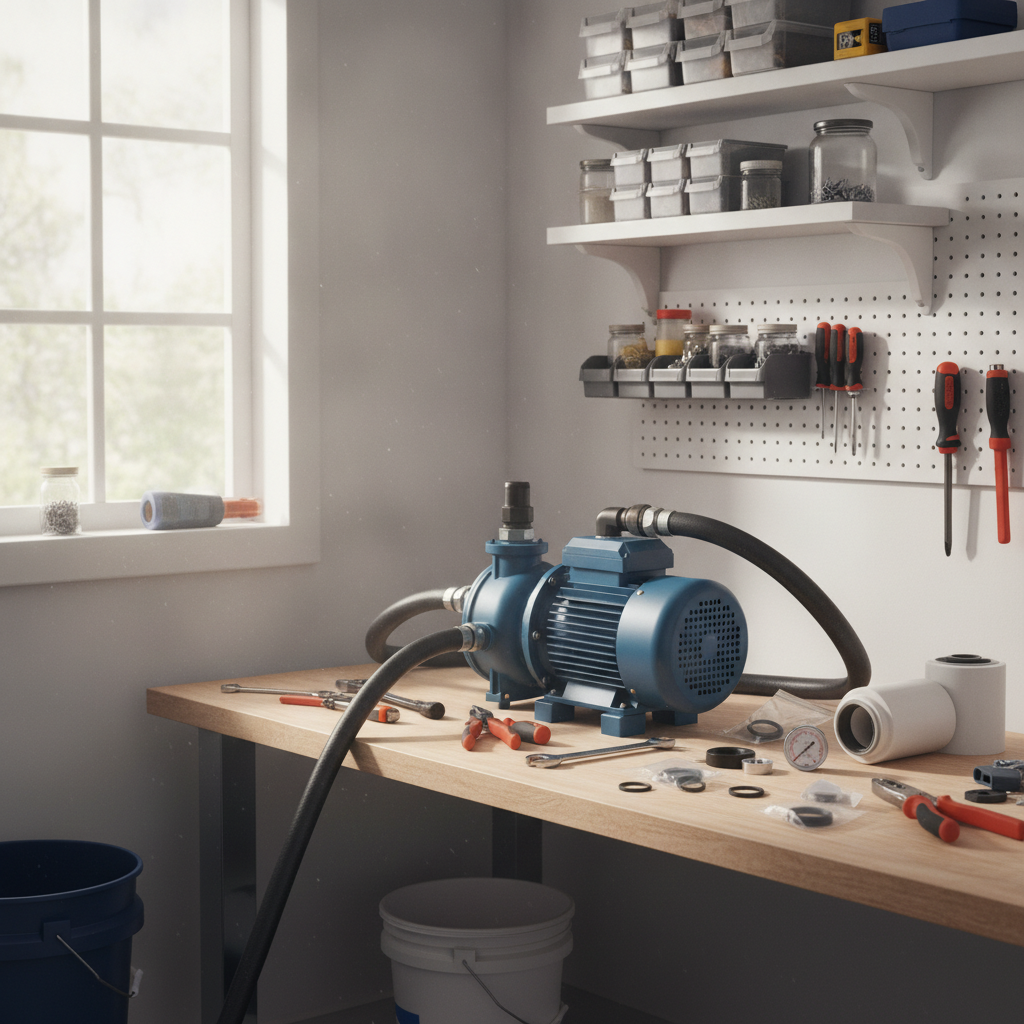
If you own a pool, you know how essential it is to keep your equipment running smoothly. When your pool pump starts to fail, it can quickly turn your backyard oasis into a source of stress. For those searching for pool pump repair Irvine CA, understanding the early warning signs of pump trouble can save you time, money, and plenty of headaches. Whether you’re a small business owner with a commercial pool, a developer managing multiple properties, or a homeowner who just wants to keep the water sparkling, learning to spot these issues early is crucial. In this article, we’ll break down the seven most common signs your pool pump may be failing, explain what they mean, and help you decide when it’s time to call in a professional. We’ll also discuss what causes these problems, how to prevent them, and what you can expect during the repair process. Let’s dive in and ensure your pool remains the centerpiece of relaxation and fun in your community.
Recognizing Pool Pump Repair Needs in Irvine
The first step in preventing costly damage is recognizing when your pool pump needs attention. Many pool owners in the area miss the subtle cues that their equipment is struggling. Early intervention can mean the difference between a simple fix and a complete replacement. For those who want expert help, Saddleback Mountain is a trusted name in local pool pump repair. But before you call a technician, let’s look at the most telling signs of trouble.
- Unusual noises coming from the pump
- Visible leaks or pooling water around the equipment
- Reduced water flow or weak jets in the pool
- Pump cycling on and off unexpectedly
- Difficulty priming the pump
- Frequent tripping of breakers or electrical issues
- Unexplained increases in energy bills
Each of these symptoms can point to a specific underlying problem. In the following sections, we’ll explore each warning sign in detail, what causes it, and what you should do if you notice it.
Strange Noises: What Your Pump Is Telling You
A healthy pool pump operates with a steady, low hum. If you suddenly hear grinding, screeching, or rattling, it’s a clear sign something is wrong. These noises often indicate worn bearings, debris caught in the impeller, or cavitation due to air leaks. Ignoring these sounds can lead to further damage and even complete pump failure. If you hear a high-pitched squeal, it’s likely the bearings are failing, which can quickly escalate to a seized motor. Regularly listening to your pool equipment can help you catch these issues early, potentially saving you from an expensive repair or replacement.
If you notice new or worsening noises, turn off the pump and inspect for visible debris or blockages. Sometimes, a simple clean-out can resolve the issue, but persistent sounds usually require professional attention. Don’t attempt to lubricate sealed bearings yourself, as this can void warranties or cause further harm. Instead, document the noise and call a technician who can diagnose the root cause and recommend the best course of action.
Leaks Around the Pump: Spotting Water Where It Shouldn’t Be
Water should stay inside your pool system, not pool around your equipment pad. If you notice wet spots, puddles, or consistent dampness near the pump, it’s a sign of a leak. Common causes include worn seals, cracked pump housings, or loose fittings. Leaks not only waste water but can also damage electrical components, create slippery surfaces, and encourage mold or algae growth around your equipment area.
To check for leaks, inspect the area around the pump after it’s been running for a while. Look for drips, corrosion, or mineral deposits, which often indicate a slow leak. If you find a leak, don’t delay repairs. Even small leaks can quickly worsen, leading to more extensive damage and higher repair costs. A qualified pool technician can replace seals or repair cracks, restoring your system’s integrity and safety.
Low Water Flow: When Your Pool Circulation Suffers
One of the most common complaints pool owners report is weak water flow from the jets or poor circulation. This symptom can stem from a variety of issues, including clogged skimmer baskets, blocked impellers, or a failing pump motor. Reduced flow not only affects water clarity and cleanliness but can also put additional strain on your pool heater and filter.
If you notice your pool isn’t circulating as it should, start by checking for visible blockages in the skimmer or pump basket. If everything looks clear, but the flow remains weak, it could indicate internal pump issues or air leaks in the suction line. Prompt diagnosis is important to prevent algae blooms and maintain balanced water chemistry. A professional can perform a flow test and pinpoint the cause, ensuring your pool stays healthy and inviting.
Pump Cycling: Why Your Equipment Keeps Turning Off
A properly functioning pool pump should run for several hours at a time without interruption. If your pump is turning on and off frequently, it may be overheating, experiencing electrical issues, or suffering from a failing capacitor. Cycling can also be caused by improper timer settings or a malfunctioning pressure switch.
Frequent cycling puts extra wear on the motor and can shorten the lifespan of your equipment. If you notice this behavior, check the timer and ensure it’s set correctly. If the problem persists, it’s best to have a technician inspect the electrical connections and test the motor’s performance. Addressing cycling issues early can prevent more serious electrical failures and keep your pool running smoothly.
Priming Problems: When the Pump Won’t Start Properly
Priming is the process of filling the pump and suction lines with water to create the necessary pressure for circulation. If your pump struggles to prime, takes longer than usual, or fails to start at all, it’s a sign of air leaks, clogged lines, or a faulty pump lid o-ring. Priming problems can lead to overheating, reduced efficiency, and eventual pump failure.
To troubleshoot, check for loose or cracked fittings, inspect the pump lid for a proper seal, and ensure all valves are open. If the issue persists, a professional can pressure test the system to locate hidden leaks or blockages. Keeping your pump properly primed is essential for optimal performance and longevity.
Electrical Issues: Breakers Tripping and Power Loss
Electrical problems are a serious concern for any pool owner. If your pump trips the circuit breaker, loses power unexpectedly, or shows signs of electrical arcing (such as burning smells or scorch marks), immediate attention is required. These issues can be caused by worn wiring, overloaded circuits, or internal motor faults.
Never attempt electrical repairs yourself unless you are qualified. Instead, shut off power to the pump and call a licensed technician. Addressing electrical issues promptly not only protects your equipment but also ensures the safety of everyone around the pool. Regular inspections can catch wiring problems before they escalate into dangerous situations.
Rising Energy Bills: The Hidden Cost of a Failing Pump
An unexpected increase in your energy bill can often be traced back to pool equipment working harder than it should. As pumps age or develop internal problems, they become less efficient, drawing more power to perform the same job. This inefficiency not only costs you money but also places unnecessary strain on your entire pool system.
Monitor your monthly utility statements and compare them to previous years. If you see a steady climb without an obvious explanation, it may be time to have your pool pump inspected. Upgrading to a newer, energy-efficient model can often pay for itself over time through lower operating costs. Regular maintenance is the best way to ensure your pump runs at peak efficiency year-round.
What Causes Pool Pump Failure? Common Culprits
Understanding what leads to pump failure can help you prevent problems before they start. The most common causes include:
- Lack of regular maintenance (such as cleaning baskets and filters)
- Running the pump dry or with low water levels
- Exposure to harsh weather or chemicals
- Improper installation or sizing
- Aging components and normal wear and tear
By staying on top of routine care and addressing small issues promptly, you can significantly extend the life of your pool pump and avoid major breakdowns.
Preventative Maintenance: Keeping Your Pool Pump Healthy
The best way to avoid the hassle and expense of emergency repairs is through regular preventative maintenance. This includes checking and cleaning skimmer and pump baskets weekly, inspecting seals and fittings for leaks, and scheduling annual professional service. Maintaining proper water chemistry also reduces stress on your pump and other equipment.
Consider creating a maintenance checklist to track routine tasks. Many local pool service companies offer maintenance plans that include inspections, cleaning, and minor repairs, providing peace of mind for busy property owners. Investing in routine care pays off by reducing the risk of unexpected breakdowns and extending the life of your equipment.
Comparing Pool Pump Issues: A Quick Reference Table
| Warning Sign | Possible Cause | Recommended Action |
|---|---|---|
| Strange Noises | Worn bearings, debris, cavitation | Inspect and call a technician |
| Leaks | Worn seals, cracked housing | Repair seals or replace parts |
| Low Water Flow | Clogs, air leaks, failing motor | Clear blockages, inspect pump |
| Pump Cycling | Overheating, electrical issues | Check timer, call technician |
| Priming Problems | Air leaks, clogged lines | Inspect, pressure test system |
| Electrical Issues | Worn wiring, overloaded circuits | Shut off power, call professional |
| Rising Energy Bills | Inefficient or failing pump | Inspect and consider upgrade |
What to Expect During a Pool Pump Repair Visit
If you’ve identified one or more warning signs, scheduling a professional repair visit is the next step. During a typical service call, a technician will:
- Inspect the pump and surrounding equipment for visible damage
- Test electrical connections and measure voltage
- Check for leaks, worn seals, and loose fittings
- Assess water flow and pressure
- Recommend repairs or replacement if needed
Professional technicians can often complete minor repairs on the spot, such as replacing seals or clearing blockages. For more complex issues, they may recommend ordering parts or upgrading to a more efficient pump. Clear communication and a detailed estimate are standard practice, so you know exactly what to expect throughout the process.
Key Takeaways
Staying proactive about pool pump maintenance is the best way to protect your investment and ensure worry-free enjoyment of your pool. By learning to recognize the early warning signs of pump failure, such as strange noises, leaks, low water flow, cycling, priming problems, electrical issues, and rising energy bills, you can address problems before they become major headaches. Regular inspections, preventative maintenance, and timely repairs will keep your pool equipment running efficiently for years to come. If you ever feel uncertain or notice persistent issues, don’t hesitate to consult a trusted local professional for expert advice and service. Your pool should be a source of relaxation, not stress, keep it that way by staying informed and attentive to your equipment’s needs.