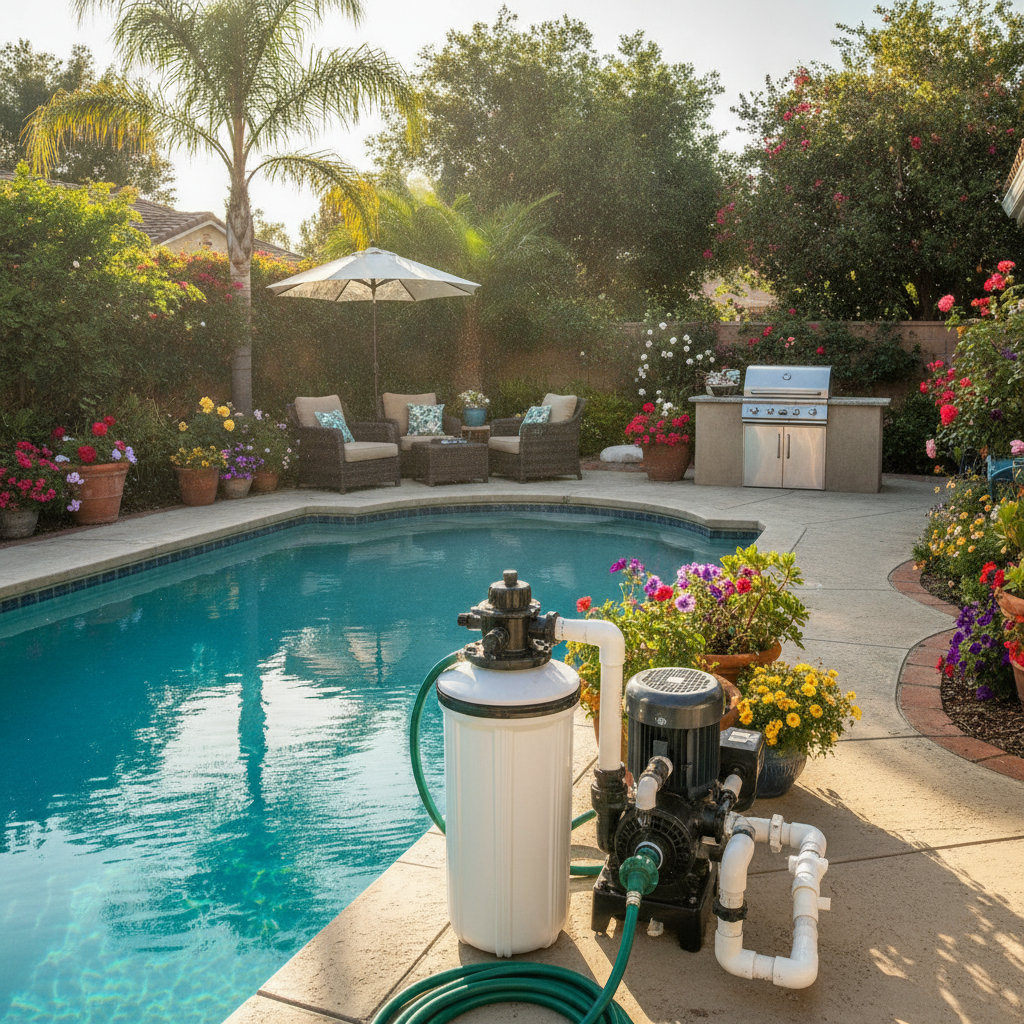
For pool owners and small business operators in the area, the clarity and health of your swimming pool water often come down to one unsung hero: the pool filter. While many focus on the visible aspects of pool maintenance, the real work happens behind the scenes, deep within the filtration system. Ignoring regular upkeep can lead to more than just cloudy water, it can cause higher energy bills, frequent repairs, and even shorten the lifespan of your pool equipment. That’s why investing in a professional Pool Filter Cleaning Service Rancho Margarita CA is not just about aesthetics, but about protecting your investment, saving money, and ensuring a safe, enjoyable swimming experience for everyone. In this guide, we’ll dig into the hidden costs of a dirty pool filter, how it impacts your pool’s performance, and why regular cleaning can make all the difference for local businesses and homeowners alike.
Why Pool Filters Matter More Than You Think
It’s easy to underestimate the role of a pool filter. After all, as long as the water looks clear, everything seems fine, right? In reality, the filter is responsible for trapping debris, oils, and microscopic contaminants that would otherwise circulate through your pool. When neglected, filters become clogged, reducing water flow and forcing your pump to work overtime. This not only strains the equipment but also leads to higher operational costs and more frequent breakdowns.
Think of your pool filter as the lungs of your pool. A dirty filter restricts circulation, making it harder for chemicals to distribute evenly and for the system to maintain proper sanitation. Over time, this can result in algae blooms, cloudy water, and increased chemical usage, all of which add up in both time and money. For small business owners managing commercial pools, these issues can quickly escalate, impacting customer satisfaction and operational efficiency.
Regular filter maintenance is the first line of defense against these problems. By ensuring your filter is clean and functioning properly, you’re not just improving water quality, you’re also extending the life of your pool equipment and reducing the risk of costly repairs. If you’re unsure where to start, Saddleback Mountain offers expert advice and services tailored to the unique needs of pools in this region.
The Ripple Effect of a Dirty Filter on Pool Performance
A neglected pool filter doesn’t just affect water clarity, it sets off a chain reaction throughout your entire pool system. When filters are clogged, water struggles to circulate efficiently. This leads to uneven chemical distribution, making it difficult to maintain safe and balanced water. As a result, you may find yourself using more chlorine or other sanitizers to compensate, which increases your maintenance costs and can even irritate swimmers’ skin and eyes.
Beyond water chemistry, poor circulation means your pool heater and pump have to work much harder. Over time, this added strain can cause premature wear, leading to expensive repairs or even full equipment replacement. For business owners, these disruptions can mean downtime, lost revenue, and unhappy customers. Homeowners, meanwhile, may face unexpected bills and the frustration of a pool that’s always “almost” swim-ready.
The bottom line? A clean filter is essential for optimal pool performance. To learn more about what a comprehensive pool cleaning should include, check out What a Thorough Pool Cleaning Service Includes for Rancho Santa Margarita Homeowners.
Energy Efficiency Starts with Filter Maintenance
Energy costs are a major concern for both residential and commercial pool owners. What many don’t realize is that a dirty filter can be a silent energy drain. As debris builds up, your pool pump must work harder and longer to push water through the system, leading to increased electricity usage and higher utility bills.
When filters are regularly cleaned, water flows freely, allowing your pump to operate at peak efficiency. This not only reduces energy consumption but also minimizes wear on your equipment, saving you money in the long run. For those interested in the science behind filter cleaning and water clarity, How Professional Pool Filter Cleaning Improves Water Clarity in Irvine, CA offers valuable insights.
In the area, where energy costs can fluctuate, every bit of efficiency counts. Regular filter maintenance is a simple yet effective way to keep operational expenses in check and ensure your pool remains a cost-effective amenity for your family or customers.
How Dirty Filters Lead to Frequent Repairs
One of the most overlooked consequences of a neglected pool filter is the increased frequency of equipment repairs. When a filter is clogged, the pool pump must work harder, often running hotter and for longer periods. This added stress can cause seals to wear out, motors to overheat, and pipes to develop leaks. Over time, the cumulative effect is more frequent breakdowns and a higher likelihood of emergency service calls.
For small businesses, these unexpected repairs can disrupt operations and lead to dissatisfied customers. Even for homeowners, the inconvenience and cost of repeated service visits can be frustrating. By simply keeping your filter clean, you can dramatically reduce the risk of these issues and keep your pool running smoothly all season long.
Preventive maintenance is always more affordable than reactive repairs. Investing in regular filter cleaning is a proactive step that pays off in fewer headaches and lower costs over time.
The Science of Water Flow and Circulation
Proper water circulation is the foundation of a healthy pool. When your filter is clean, water moves freely through the system, allowing chemicals to distribute evenly and contaminants to be efficiently removed. This not only keeps your pool sparkling but also prevents the growth of algae and bacteria.
A dirty filter, on the other hand, restricts flow and creates dead zones where water becomes stagnant. These areas are breeding grounds for algae and can quickly turn a clean pool into a maintenance nightmare. By prioritizing filter cleaning, you’re ensuring that every part of your pool receives the attention it needs to stay safe and inviting.
For those managing pools in busy commercial environments, consistent water flow is especially critical. Customers expect crystal-clear water, and even a minor lapse in circulation can lead to complaints or negative reviews. Staying ahead of filter maintenance is key to meeting these expectations.
Understanding Filter Types and Their Maintenance Needs
Not all pool filters are created equal. The three main types, cartridge, sand, and diatomaceous earth (DE), each have unique maintenance requirements. Cartridge filters are known for their ease of cleaning and are popular in many residential pools. Sand filters require periodic backwashing to remove trapped debris, while DE filters offer superior filtration but need careful handling and regular recharging with fresh DE powder.
Understanding your filter type is crucial for effective maintenance. For example, over-cleaning a cartridge filter can actually reduce its lifespan, while neglecting to backwash a sand filter can lead to compaction and poor performance. Consulting with a local pool professional can help ensure you’re following the right schedule and techniques for your specific system.
No matter the type, the key is consistency. Regular inspections and timely cleaning will keep your filter operating at its best, reducing the risk of problems down the line.
Signs Your Pool Filter Needs Immediate Attention
Recognizing the warning signs of a dirty or failing filter can save you from bigger headaches later. Some common indicators include:
- Reduced water flow from return jets
- Cloudy or green-tinted water
- Increased pressure on the filter gauge
- Frequent need to add chemicals
- Unusual noises from the pump or filter
If you notice any of these symptoms, it’s time to inspect and clean your filter. Addressing issues early not only restores your pool’s performance but also prevents more serious (and costly) problems from developing.
Comparing DIY and Professional Filter Cleaning
While many pool owners attempt to clean their filters themselves, there are distinct advantages to hiring a professional service. DIY cleaning can be effective for routine maintenance, but it often misses the deep cleaning and thorough inspections that professionals provide. Experts use specialized equipment and techniques to remove stubborn debris, check for wear and tear, and ensure all components are functioning properly.
Professional services also offer peace of mind. They can spot potential problems before they escalate, recommend upgrades or replacements if needed, and help you establish a maintenance schedule that fits your pool’s unique needs. For busy business owners or those managing multiple properties, outsourcing filter maintenance is a smart way to ensure consistent results without the hassle.
Ultimately, the choice depends on your comfort level and the complexity of your pool system. For many, the investment in professional cleaning pays off in fewer repairs, better performance, and more time to enjoy the water.
Cost Comparison: Clean Filters vs. Neglected Filters
It’s tempting to skip regular filter maintenance in an effort to save money, but the reality is that neglect often leads to higher costs in the long run. Clean filters help your pool run efficiently, reducing energy bills and minimizing the need for expensive repairs. On the other hand, dirty filters can cause a cascade of problems that quickly add up.
The table below breaks down some of the typical costs associated with clean versus neglected filters. While actual figures will vary depending on pool size and usage, the overall trend is clear: proactive maintenance is the more cost-effective choice.
| Expense Category | With Clean Filter | With Dirty Filter |
|---|---|---|
| Energy Costs | Lower, pump runs efficiently | Higher, pump works harder |
| Chemical Usage | Stable, balanced water | Increased, poor circulation |
| Repair Frequency | Minimal, preventive care | Frequent, equipment strain |
| Equipment Lifespan | Extended, less wear | Shortened, more breakdowns |
| Water Quality | Consistently clear | Often cloudy or green |
As the table shows, the savings from regular filter cleaning extend far beyond the immediate cost of service. It’s an investment in your pool’s longevity and your peace of mind.
How Often Should You Clean Your Pool Filter?
The ideal cleaning schedule depends on several factors, including pool usage, filter type, and local environmental conditions. In general, most residential pools benefit from filter cleaning every few months, while commercial pools or those with heavy use may require more frequent attention.
Seasonal changes can also impact your filter’s workload. After storms, during periods of high pollen, or following heavy pool use, it’s wise to check and clean your filter to prevent buildup. Keeping a maintenance log can help you stay on track and catch issues before they become serious.
Consulting with a local pool service provider can help you develop a customized schedule that matches your pool’s unique needs and ensures optimal performance year-round.
The Local Advantage: Why Area Expertise Matters
Pools in this community face unique challenges, from fluctuating temperatures to local dust and debris. Choosing a service provider familiar with the area’s specific conditions ensures your pool filter receives the right care at the right time. Local experts understand the nuances of water chemistry, seasonal changes, and the types of contaminants most common here.
By partnering with a team that knows the region, you gain access to tailored advice, faster response times, and maintenance solutions designed to keep your pool in top shape. Whether you own a commercial property or a backyard oasis, leveraging local expertise is a smart move for long-term pool health.
Final Thoughts
A clean pool filter is more than just a maintenance checklist item, it’s a critical component of efficient, cost-effective, and enjoyable pool ownership. By prioritizing regular filter cleaning, you can improve water flow, reduce the risk of repairs, and lower your energy bills, all while ensuring a safer, more inviting swimming environment. Whether you manage a commercial facility or a private backyard pool, investing in professional filter maintenance is a smart decision that pays dividends in comfort, savings, and peace of mind. Don’t let hidden costs catch you off guard, make filter care a top priority and enjoy the benefits all season long.