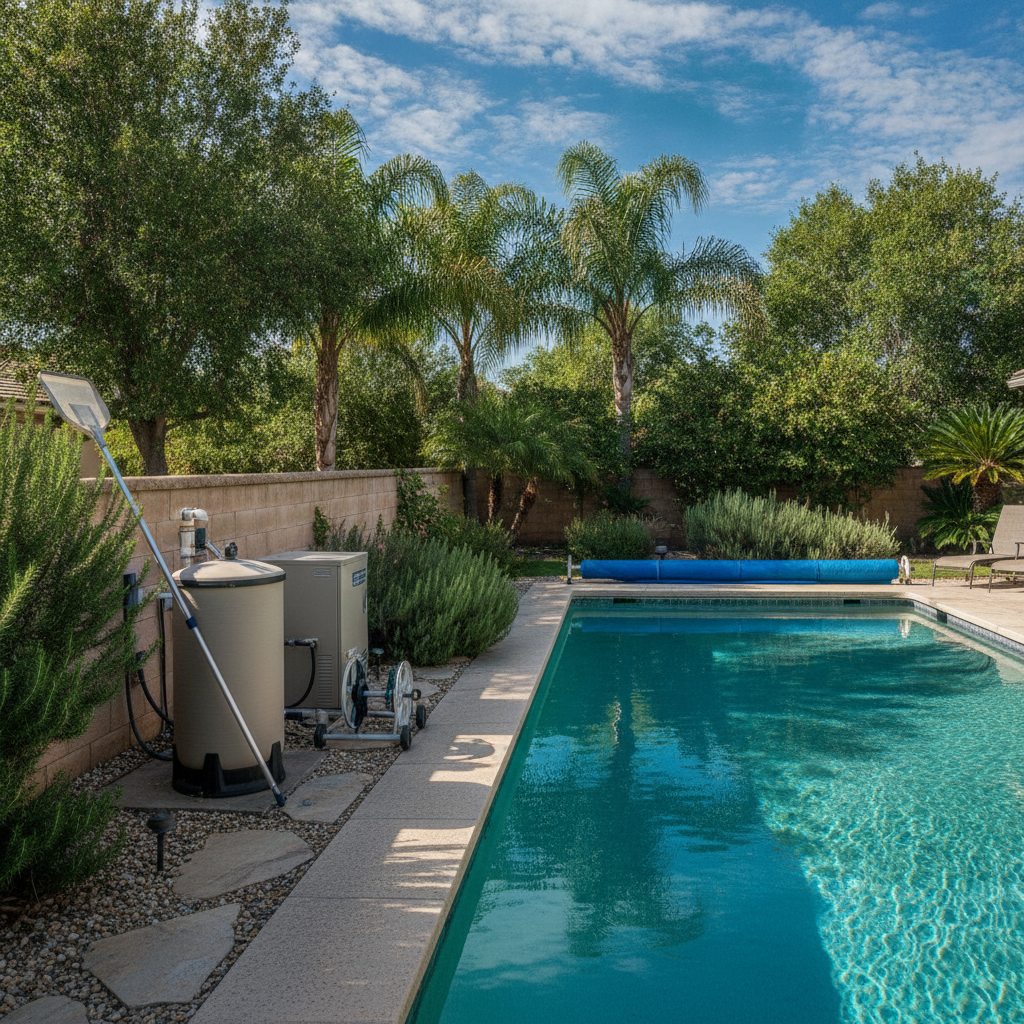
Choosing the right pool equipment installation in Rancho Margarita, CA, is more than just a matter of style or brand preference. The region’s unique climate, water chemistry, and seasonal weather patterns demand a thoughtful approach to every pool system upgrade. Whether you’re a small business owner overseeing a commercial property, a developer planning a multi-unit complex, or a homeowner looking to maximize backyard enjoyment, understanding how local conditions affect your pool equipment is essential. The right choices can mean years of reliable performance, lower maintenance costs, and sparkling water that’s always ready for a swim.
In this guide, we’ll break down the key considerations for selecting pumps, filters, heaters, and automation systems that truly fit the needs of this community. We’ll look at how the area’s warm, dry summers and occasional cool snaps impact pool water chemistry and equipment longevity. You’ll learn how to match your choices to your pool’s size, usage, and environmental exposure. We’ll even explore how modern technology and smart upgrades can make pool ownership easier and more energy-efficient. If you want to make the most of your investment and avoid common pitfalls, read on for a comprehensive, practical approach to pool equipment installation in this vibrant neighborhood.
Understanding Local Climate and Its Impact on Pool Equipment
The climate in this region is characterized by long, sunny summers, low humidity, and mild winters with occasional chilly nights. These conditions create both opportunities and challenges for pool owners. High temperatures and abundant sunshine mean pools see heavy use for much of the year, but they also accelerate evaporation and can stress equipment that isn’t built for sustained operation. Dust and pollen, common in drier months, can clog filters and strain pumps, while cooler winter nights may require a reliable heating solution to extend the swimming season.
When selecting pool equipment, it’s important to choose models rated for continuous use and designed to handle fluctuating temperatures. For example, variable-speed pumps can adjust their output to match daily needs, improving efficiency and reducing wear. UV-resistant materials and weatherproof enclosures help protect sensitive electronics from sun and moisture exposure. By factoring in the local climate, you set the stage for a pool system that’s both durable and cost-effective.
For a full range of pool solutions tailored to these conditions, check out Saddleback Mountain.
Water Chemistry Challenges: Hardness, pH, and Mineral Content
The water in this area tends to have a higher mineral content, leading to increased hardness and a propensity for scale buildup. This can shorten the lifespan of pool heaters, pumps, and plumbing if not properly managed. pH levels may also fluctuate due to evaporation and refill cycles, impacting equipment efficiency and swimmer comfort.
To address these challenges, it’s wise to select equipment with corrosion-resistant components, such as titanium heat exchangers and reinforced pump seals. Automatic chemical feeders and advanced monitoring systems can help maintain balanced water chemistry with less manual intervention. Regular filter cleaning and periodic water testing are essential practices to prevent scale and mineral deposits from damaging your investment.
For a deeper dive into pool cleaning essentials, see What a Thorough Pool Cleaning Service Includes for Rancho Santa Margarita Homeowners.
Selecting Pumps and Filters for Optimal Performance
Pumps and filters are the heart of any pool system, responsible for circulating and cleaning the water. In this community, where pools often operate for extended hours during the hot season, energy-efficient pumps are a must. Variable-speed models not only save on electricity but also allow you to fine-tune water flow for different activities, from gentle circulation to vigorous cleaning cycles.
Filter selection should be based on pool size, usage, and the local environment. Cartridge filters are popular for their ease of maintenance and ability to trap fine debris, which is common in windy, dusty conditions. Sand and DE (diatomaceous earth) filters offer excellent filtration but may require more frequent backwashing or media replacement. Whichever you choose, look for models with easy-access lids and clear maintenance instructions to simplify routine care.
If you’re interested in how filter cleaning can directly improve water clarity, explore How Professional Pool Filter Cleaning Improves Water Clarity in Irvine, CA.
Heating Solutions for Year-Round Comfort
While the area enjoys warm days for much of the year, nighttime temperatures can dip, especially in early spring and late fall. A reliable pool heater extends your swimming season and ensures comfort for guests and family. There are three main types of pool heaters: gas, electric heat pumps, and solar. Each has its pros and cons depending on your usage patterns and budget.
Gas heaters provide rapid temperature increases, making them ideal for pools that are used intermittently. Electric heat pumps are highly efficient in moderate climates and can maintain a steady temperature with lower operating costs. Solar heaters leverage abundant sunshine and are environmentally friendly, but may require a larger upfront investment and sufficient roof or yard space for panels. Consider your pool size, typical usage, and long-term energy costs when making your choice.
Smart Automation and Control Systems
Modern pool automation systems bring convenience and efficiency to pool ownership. With the touch of a button or a swipe on your smartphone, you can control pumps, heaters, lighting, and even water features. Automation is especially valuable in busy households or commercial settings, where consistent water quality and energy management are top priorities.
Look for systems compatible with your chosen equipment and scalable for future upgrades. Features like remote monitoring, programmable schedules, and integration with smart home devices can help you optimize energy use and reduce manual labor. Automation also supports better water chemistry management by ensuring that filtration and sanitation cycles run as needed, not just on a fixed timer.
Energy Efficiency: Saving Money and the Environment
Energy efficiency is a major consideration for pool owners in this region, where extended swim seasons can lead to higher utility bills. Choosing ENERGY STAR-rated pumps, LED lighting, and high-efficiency heaters can significantly reduce operating costs. Solar covers and windbreaks help retain heat and minimize evaporation, further lowering the energy needed to keep your pool comfortable.
Many utility companies offer rebates for installing energy-efficient pool equipment, so be sure to research local programs before making a purchase. Over time, the savings from reduced energy consumption can offset the initial investment in premium equipment. Plus, you’ll be doing your part to reduce your environmental footprint.
Sizing and Placement: Getting It Right the First Time
Proper sizing and strategic placement of pool equipment are critical for both performance and aesthetics. Undersized pumps or filters can lead to cloudy water and increased wear, while oversized units waste energy and money. Work with a pool professional to calculate the ideal flow rates and turnover times for your specific pool volume and usage.
Placement also matters. Equipment should be installed on a stable, level surface with adequate drainage and ventilation. Consider accessibility for routine maintenance and protection from direct sun or wind exposure. Soundproofing measures, such as vibration pads or acoustic barriers, can minimize noise for a more enjoyable backyard environment.
Maintenance Considerations: Planning for Longevity
Even the best pool equipment requires regular maintenance to perform at its peak. Establish a maintenance schedule that includes cleaning filters, inspecting pump seals, checking for leaks, and monitoring water chemistry. Many modern systems offer diagnostic alerts and maintenance reminders, making it easier to stay ahead of potential issues.
Investing in high-quality, easy-to-service equipment can reduce downtime and repair costs. Keep a log of maintenance activities and consult with a local pool service provider for periodic professional inspections. Proactive care not only extends the life of your equipment but also ensures a safer, more enjoyable swimming experience for everyone.
Comparing Common Pool Equipment Options
To help you visualize the differences between popular pool equipment types, here’s a quick comparison of pumps, filters, and heaters commonly used in the area. This table highlights key features, benefits, and considerations for each option, supporting your decision-making process.
| Equipment Type | Popular Options | Best For | Key Considerations |
|---|---|---|---|
| Pumps | Single-speed, Variable-speed | All pool types, energy-conscious owners | Energy use, noise, local rebates |
| Filters | Cartridge, Sand, DE | Pools with high debris, clear water goals | Maintenance, water clarity, replacement frequency |
| Heaters | Gas, Electric Heat Pump, Solar | Extending swim season, energy savings | Upfront cost, operating efficiency, climate suitability |
Working With Professionals: Installation and Upgrades
Proper installation is just as important as choosing the right equipment. Certified pool professionals understand the unique environmental factors in this city and can recommend solutions that meet local codes and best practices. They’ll ensure that pumps, filters, heaters, and automation systems are properly sized, connected, and calibrated for optimal performance.
When planning upgrades, consider the long-term benefits of investing in quality equipment and expert installation. A reputable installer will provide warranties, ongoing support, and valuable advice on maintenance and system integration. Don’t hesitate to ask for references or examples of previous work in the area to ensure you’re partnering with someone who understands your needs.
Final Thoughts
Selecting the right pool equipment for this community’s climate and water conditions is a decision that pays dividends in comfort, efficiency, and peace of mind. By understanding the impact of local weather, water chemistry, and usage patterns, you can choose pumps, filters, heaters, and automation systems that deliver reliable performance year after year. Remember to prioritize energy efficiency, ease of maintenance, and professional installation to maximize your investment. Whether you’re upgrading an existing pool or planning a new installation, thoughtful choices today will ensure sparkling water and hassle-free enjoyment for seasons to come.