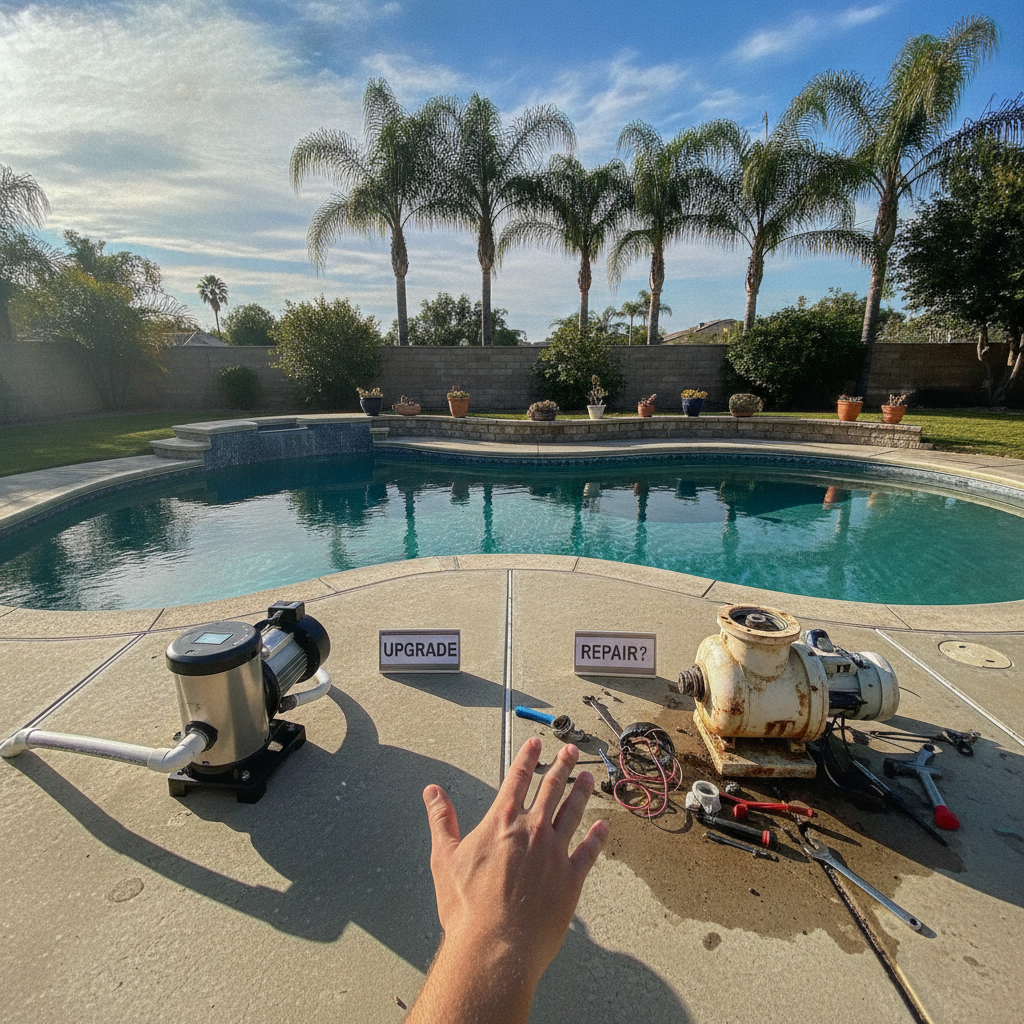
A sparkling, healthy pool is a source of pride for many property owners, but behind the scenes, your pool pump works tirelessly to keep water circulating and clean. When it starts making odd noises, leaking, or simply stops working, you’re faced with a crucial decision: should you repair or replace it? For anyone searching for pool pump repair Irvine CA, understanding the right time to fix versus upgrade your pump can save you money, time, and headaches. Whether you’re a small business owner managing a commercial pool, a developer overseeing multiple properties, or a homeowner who just wants to enjoy a worry-free swim, this guide will walk you through the key factors that determine the smartest move for your pool system. We’ll explore signs of pump trouble, cost comparisons, energy efficiency, and how local climate and usage patterns play a role in your decision. Let’s dive in and help you make the best choice for your pool’s future.
Recognizing Pool Pump Problems Early
Catching pool pump issues early is the best way to avoid expensive repairs or sudden breakdowns. The pump is the heart of your pool system, circulating water through the filter, heater, and chlorinator. When something goes wrong, the entire system can be affected. Common warning signs include strange noises (like screeching, humming, or grinding), visible leaks around the pump housing, loss of suction, and water that isn’t circulating as it should. If you notice your pool water turning cloudy or debris lingering on the surface, your pump may not be functioning properly.
It’s also important to pay attention to your energy bills. A failing pump often works harder than it should, drawing more power and increasing your utility costs. Sometimes, the issue is as simple as a clogged basket or a worn-out O-ring, but other times, it points to deeper mechanical or electrical problems. Regular inspection and maintenance can catch these issues before they escalate. For those who want peace of mind, partnering with a trusted local service like Saddleback Mountain ensures your pool pump is always in top shape.
Ignoring early warning signs can lead to complete pump failure, which often means a more expensive replacement rather than a simple repair. By staying vigilant and addressing small problems promptly, you can extend the life of your pool pump and avoid unnecessary costs.
When Repair Makes Sense for Your Pool Pump
Not every pool pump problem requires a full replacement. In fact, many issues can be resolved quickly and affordably with the right expertise. Repairs are often the best option when the pump is relatively new (less than five years old), the damage is minor, or the cost of fixing the issue is significantly less than buying a new unit. Common repairable problems include replacing worn-out seals, gaskets, or bearings, fixing minor electrical faults, and addressing leaks from the lid or housing.
Another scenario where repair is preferable is when your pump is still under warranty. Most manufacturers offer warranties that cover parts and labor for a certain period, making repairs virtually cost-free. Additionally, if your pump is a high-end or specialty model, sourcing a replacement may be more expensive and time-consuming than simply fixing the existing unit.
For many pool owners in the area, a professional assessment can reveal whether a repair will restore your pump to optimal performance. Sometimes, a thorough cleaning or a new impeller can make all the difference. To understand how deep cleaning can impact your pool’s health, check out How Professional Filter Deep Cleaning Improves Water Circulation in Rancho Santa Margarita Pools.
Ultimately, choosing repair over replacement is about balancing cost, convenience, and the expected lifespan of your current pump. If the repair is straightforward and your pump has several good years left, fixing it is usually the smartest move.
Signs It’s Time to Replace Your Pool Pump
While repairs can solve many pool pump issues, there are times when replacement is the only sensible option. If your pump is over ten years old, frequently breaks down, or has suffered catastrophic failure (such as a burned-out motor or cracked housing), investing in a new unit is often more cost-effective in the long run. Continuous repairs can add up quickly, and older pumps may be less efficient, costing you more in energy bills each month.
Other signs that replacement is the better route include excessive noise that persists after repairs, persistent leaks that can’t be sealed, and pumps that struggle to maintain proper water flow even after maintenance. If your pump is no longer compatible with updated pool equipment or automation systems, upgrading ensures your entire setup works seamlessly together.
Sometimes, the root cause of pump problems is more complex, such as recurring priming issues or systemic faults. For a deeper dive into these challenges, see Why Your Rancho Santa Margarita Pool Pump Keeps Losing Prime: Common Causes and Fixes.
Replacing an outdated or failing pump can also bring significant benefits, including improved energy efficiency, quieter operation, and better compatibility with modern pool features. If you’re facing repeated breakdowns or your pump is simply past its prime, replacement is the smartest investment for your pool’s future.
Comparing Costs: Repair vs. Replacement
One of the most important factors in deciding whether to repair or replace your pool pump is cost. Repairs can range from minor expenses, like replacing a seal or capacitor, to more significant investments if the motor or impeller needs work. Replacement, on the other hand, involves the upfront cost of a new pump plus installation, but may offer savings over time through improved efficiency and fewer breakdowns.
To help you weigh your options, here’s a comparison of typical costs associated with pool pump repair and replacement. Keep in mind that actual prices vary based on the make and model of your pump, labor rates, and the complexity of the job.
| Service | Typical Cost Range | When to Choose |
|---|---|---|
| Seal/Gasket Replacement | Low | Minor leaks, no other issues |
| Motor Repair | Moderate | Pump is under 7 years old, otherwise in good shape |
| Full Pump Replacement | High | Pump is old, frequent breakdowns, or major failure |
| Upgrading to Variable-Speed Pump | Higher upfront, lower long-term | Looking for energy savings and modern features |
When considering costs, factor in the age of your pump, frequency of repairs, and potential energy savings from a new model. Sometimes, spending more upfront on a replacement pays off in lower bills and fewer hassles down the road.
Energy Efficiency and Modern Pump Technology
Today’s pool pumps are far more energy-efficient than those made even a decade ago. Variable-speed pumps, in particular, can reduce energy use by running at lower speeds when full power isn’t needed. This not only saves money but also extends the life of your pump by reducing wear and tear. If your current pump is single-speed and more than a few years old, upgrading to a modern, energy-efficient model can be a smart investment.
Modern pumps also offer advanced features like programmable timers, quieter operation, and compatibility with smart pool systems. These upgrades can make pool maintenance easier and more convenient, especially for busy business owners or those managing multiple properties. In many regions, energy-efficient pumps may also qualify for rebates or incentives, further offsetting the cost of replacement.
If you’re weighing repair versus replacement, consider the long-term savings and convenience that come with new technology. Even if the upfront cost is higher, the reduction in energy bills and maintenance headaches can make replacement the more economical choice over time.
How Local Climate and Usage Patterns Affect Your Decision
The local climate and how often your pool is used play a significant role in determining whether to repair or replace your pump. In regions with long swimming seasons and high temperatures, pumps work harder and experience more wear. Commercial pools or those in multi-unit developments may run their pumps almost continuously, accelerating the aging process.
Pools in this community often face unique challenges, such as dust, debris, and fluctuating water chemistry. These factors can cause seals and bearings to wear out faster, leading to more frequent repairs. If your pool is used year-round or sees heavy traffic, investing in a robust, efficient pump may be the best way to ensure reliable performance and water quality.
On the other hand, if your pool is used only seasonally and the pump has been well-maintained, a repair may be all that’s needed to keep things running smoothly. Always consider your specific usage patterns and local conditions when making the repair-or-replace decision.
The Impact of Pool Pump Age and Maintenance History
How old is your pool pump, and how well has it been maintained? These two questions are critical when deciding between repair and replacement. A pump that’s been serviced regularly, with parts replaced as needed, can often last well beyond its expected lifespan. Routine maintenance, such as lubricating bearings, cleaning out debris, and inspecting seals, prevents small issues from turning into major problems.
However, even the best-maintained pumps have a finite lifespan. Materials degrade over time, and repeated repairs may only provide temporary relief. If you find yourself calling for service every few months, or if your pump is approaching or past the decade mark, replacement is likely the wiser investment. Newer pumps are also less likely to suffer from surprise breakdowns, giving you peace of mind during peak swim season.
Keep detailed records of your pump’s maintenance and repair history. This information helps professionals assess the true condition of your equipment and make the most cost-effective recommendation for your situation.
Safety, Compliance, and Pool Pump Upgrades
Safety is a top concern for any pool owner, especially for businesses and public facilities. Older pumps may not meet current safety standards, putting swimmers at risk and exposing owners to liability. Newer pumps often feature built-in safety mechanisms, such as automatic shut-off in the event of overheating or low water flow.
In some areas, regulations require specific safety features or energy efficiency standards for pool equipment. While not all locations have the same requirements, upgrading your pump can help ensure compliance with local codes and avoid potential fines or insurance issues. For commercial properties, staying up to date with equipment is particularly important for maintaining certifications and passing inspections.
If your current pump lacks essential safety features or is no longer compliant with local guidelines, replacement is the best way to protect both your guests and your investment. Always consult with a pool professional familiar with local codes to determine if your equipment meets today’s standards.
Choosing the Right Replacement Pump
If you’ve decided that replacement is the best option, the next step is selecting the right pump for your pool’s needs. Consider factors such as pool size, plumbing configuration, filtration system, and any additional features like waterfalls or spas. Variable-speed pumps are an excellent choice for most modern pools, offering superior efficiency and flexibility compared to single-speed models.
Work with a knowledgeable pool professional to size your new pump correctly. An oversized pump can waste energy and cause premature equipment wear, while an undersized pump may struggle to keep your water clean and clear. Look for models with programmable timers, quiet operation, and compatibility with your existing system or planned upgrades.
Don’t forget to ask about warranties and available rebates for energy-efficient models. Investing in a quality pump now can save you money and hassle for years to come.
Working with Local Pool Pump Experts
No matter which path you choose, having a trusted local pool pump expert on your side makes all the difference. Experienced technicians can quickly diagnose issues, recommend the best course of action, and handle repairs or installations with minimal disruption. They understand the unique needs of pools in this city and can help you navigate the repair-or-replace decision with confidence.
Look for a service provider with a strong track record, positive reviews, and a commitment to customer education. The right partner will not only fix your immediate problem but also provide guidance on maintaining your pump for maximum longevity and performance. Whether you’re managing a commercial property or caring for your backyard oasis, professional support is invaluable.
Final Thoughts
Deciding whether to repair or replace your pool pump is a significant choice that impacts your pool’s performance, safety, and operating costs. By paying attention to early warning signs, considering the age and maintenance history of your pump, and weighing the benefits of modern technology, you can make a decision that fits your needs and budget. Remember, regular maintenance and prompt attention to issues can extend the life of your equipment, but there comes a point when replacement is the smarter, more cost-effective option. Partner with a trusted local expert to ensure your pool stays clean, efficient, and ready for enjoyment all season long.