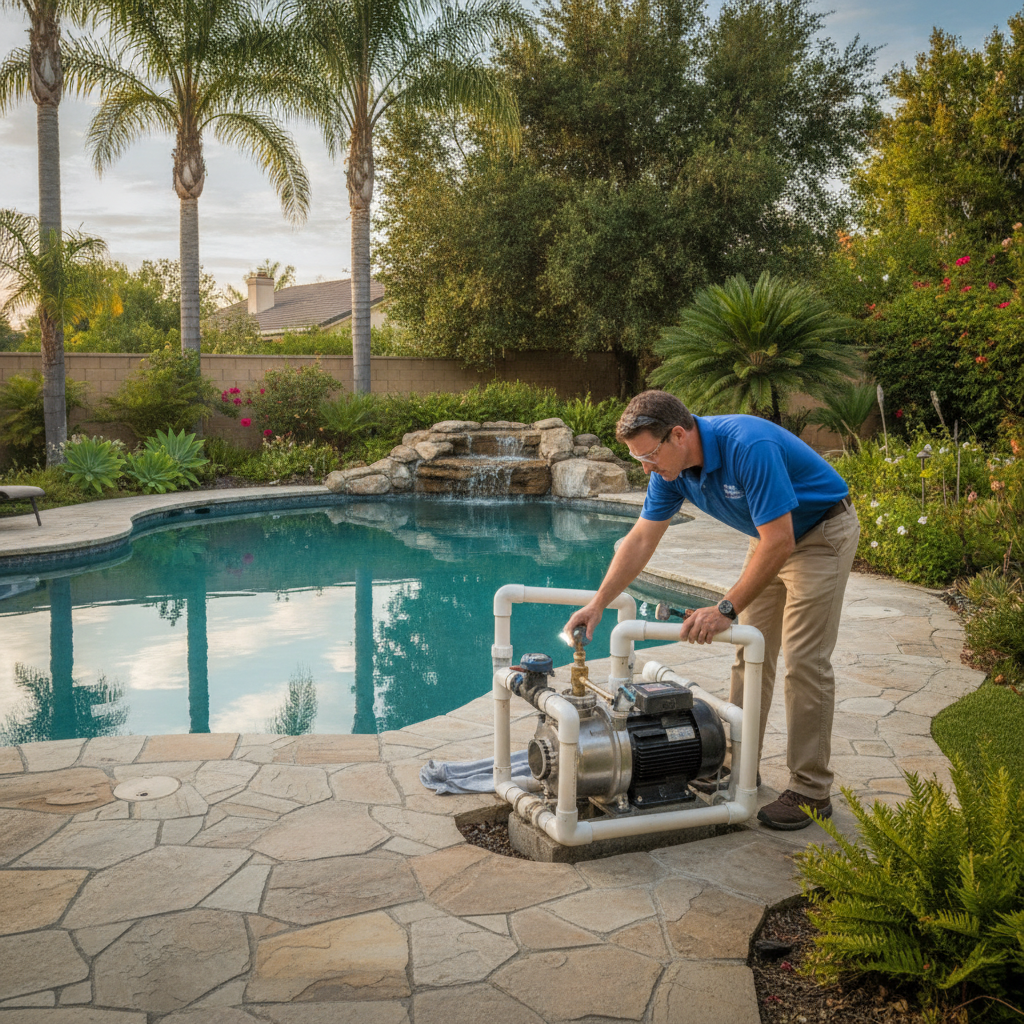
If you own a pool in this community, you know how important it is to keep your pool pump running smoothly. But what happens when your pool pump keeps losing prime, leaving you frustrated and your water circulation stalled? Pool Pump Repair Rancho Margarita CA is a common search for a reason, this issue can sneak up on even the most diligent pool owners. Whether you’re a small business owner managing a commercial pool, a developer overseeing multiple properties, or a homeowner who simply wants to enjoy a sparkling clean swim, understanding why your pump loses prime is key to saving time, money, and hassle. In this comprehensive guide, we’ll break down the most frequent causes of lost prime, how to spot them, and what you can do to fix or prevent the problem for good. Let’s dive in and get your pool back to perfect circulation!
What Does It Mean When a Pool Pump Loses Prime?
Before you can fix the problem, it’s important to understand what “losing prime” actually means. Priming refers to the process of filling the pump and suction line with water so the pump can create the necessary suction to circulate pool water. When a pump loses prime, air enters the system, breaking the vacuum and stopping water flow. This can lead to overheating, equipment damage, and cloudy or unsafe pool water. Recognizing the symptoms, such as bubbling in the pump basket, low pressure on the gauge, or no water movement at the return jets, can help you act quickly.
Losing prime isn’t just an inconvenience. It can shorten the lifespan of your pool equipment and drive up energy costs. If you notice your pump struggling to maintain suction, it’s time to investigate the root cause. For those in the area, Saddleback Mountain is a trusted resource for expert pool pump troubleshooting and repair.
Air Leaks: The Silent Saboteur of Pool Pump Performance
One of the most common reasons a pool pump loses prime is the presence of air leaks on the suction side of the system. Even a tiny crack or loose fitting can let air in, disrupting the delicate balance needed for your pump to work efficiently. Air leaks often occur at the pump lid, the O-ring, plumbing connections, or even underground pipes. You might notice bubbles in the pump basket or at the pool returns, and sometimes you’ll hear a hissing sound near the equipment pad.
To locate an air leak, start by inspecting the pump lid and O-ring for cracks or wear. Tighten any loose fittings, and use a soapy water solution to check for bubbles at joints and unions. If the problem persists, professional help may be needed to pressure test the lines or replace faulty components. Upgrading to modern, airtight equipment can also help prevent future issues. For those looking to modernize their pool systems, Smart Pool Equipment Upgrades for Rancho Santa Margarita Homes: Automation, Efficiency, and Control can provide valuable insights.
Clogged Skimmers and Baskets: How Debris Disrupts Prime
Another frequent culprit behind lost prime is debris clogging the skimmer or pump basket. Leaves, twigs, and even small toys can restrict water flow, causing the pump to draw in air instead of water. When baskets are overloaded or not cleaned regularly, the pump struggles to maintain suction, and the risk of losing prime increases dramatically.
To prevent this, make it a habit to empty skimmer and pump baskets at least once a week, and more often during heavy leaf fall or after storms. Check for signs of basket damage or warping, which can allow debris to bypass the filter. If you notice persistent issues with water clarity, it may be time to look beyond the baskets and consider the condition of your pool filter. For a deeper dive into how professional cleaning can restore your pool’s sparkle, see How Professional Pool Filter Cleaning Improves Water Clarity in Irvine, CA.
Water Level Matters: Why Low Pools Lose Prime
The water level in your pool plays a crucial role in pump performance. If the water drops below the skimmer opening, air is drawn into the system, causing the pump to lose prime. This can happen after heavy use, evaporation during hot weather, or unnoticed leaks in the pool structure. Even a drop of just a few inches can disrupt circulation and risk pump damage.
To avoid this, check your pool’s water level weekly, especially during the summer or if you have a lot of swimmers. The ideal level is about halfway up the skimmer opening. If you find yourself refilling the pool frequently, inspect for leaks around the pool shell, plumbing, or equipment pad. Installing an automatic water leveler can provide peace of mind and help keep your system running smoothly, especially for business owners or property managers who can’t check the pool daily.
Pump Lid and O-Ring Issues: Small Parts, Big Problems
The pump lid and its O-ring form a critical seal that keeps air out of your pump system. Over time, O-rings can become brittle, cracked, or flattened, allowing air to slip in and break the prime. Similarly, a lid that’s not tightened properly or is warped from sun exposure can compromise the seal. These issues are easy to overlook but can cause recurring prime loss and even lead to more serious equipment failures.
Inspect the O-ring every time you clean the pump basket. Lubricate it with a silicone-based lubricant to maintain flexibility, and replace it annually or at the first sign of wear. Make sure the pump lid is free of debris and is seated evenly before tightening. Investing in a quality replacement lid and O-ring is a small price to pay compared to the cost of a new pump motor or extensive plumbing repairs.
Suction Side Plumbing: Hidden Leaks and Underground Challenges
Not all air leaks are easy to spot. Sometimes, the problem lies in the underground plumbing between the skimmer and the pump. Cracks, loose fittings, or deteriorated joints can allow air to enter the system, especially when the pump is off and water pressure drops. These leaks can be persistent and may require specialized equipment to diagnose.
If you’ve checked all visible components and still experience prime loss, it may be time to call in a professional for a pressure test. They can isolate sections of the plumbing and use listening devices or cameras to pinpoint the leak. In some cases, trenchless repair methods can fix the problem without major excavation, saving time and money. Regular inspections and prompt repairs are especially important for commercial pools or older properties where underground plumbing may be more vulnerable.
Pump Impeller and Internal Blockages: The Hidden Flow Killers
Even if your baskets are clean, debris can sometimes make its way past the filter and clog the pump impeller. This small, spinning component is responsible for moving water through the system. When it becomes jammed with leaves, hair, or other debris, water flow drops and the pump may lose prime. Symptoms include a noisy pump, low pressure, or complete loss of circulation.
To check for impeller blockages, turn off the pump and disconnect power. Remove the pump basket and reach inside the housing with a finger or tool to feel for obstructions. If you’re unsure or uncomfortable with this process, it’s best to hire a pool technician. Regular maintenance and using a fine-mesh skimmer sock can help prevent debris from reaching the impeller in the first place.
Prime Loss and Pool Pump Age: When Replacement Makes Sense
Age is a significant factor in pump performance. As pumps get older, seals wear out, plastic parts become brittle, and efficiency drops. If your pump is more than seven to ten years old and you’re constantly fighting lost prime, it may be time to consider a replacement. Newer models are designed for better energy efficiency, quieter operation, and improved resistance to air leaks.
When evaluating whether to repair or replace, consider the cost of ongoing fixes, the availability of replacement parts, and the potential savings on your energy bill with a modern pump. For commercial properties or high-use pools, upgrading can also mean less downtime and happier swimmers. Consult with a local pool professional to assess your options and get recommendations tailored to your needs and budget.
Routine Maintenance: Your Best Defense Against Lost Prime
Prevention is always better than cure when it comes to pool pump problems. Establishing a routine maintenance schedule can help you catch small issues before they become major headaches. This includes checking and cleaning baskets, inspecting O-rings and lids, monitoring water levels, and listening for unusual noises from the pump. For business owners, assigning these tasks to a staff member or contracting with a local pool service can ensure nothing gets overlooked.
Keep a log of maintenance activities and any repairs performed. This not only helps with troubleshooting but can also be valuable for warranty claims or when selling your property. Investing in regular professional inspections can extend the life of your equipment and keep your pool running at peak performance all season long.
Table: Common Causes of Pool Pump Prime Loss and Solutions
| Cause | Symptoms | Recommended Fix |
|---|---|---|
| Air leak at pump lid/O-ring | Bubbles in pump basket, hissing noise, loss of suction | Replace/lubricate O-ring, tighten lid |
| Clogged skimmer or pump basket | Low flow, pump runs dry, visible debris | Clean baskets regularly |
| Low pool water level | Air in system, gurgling sound, no water at returns | Refill pool to proper level |
| Underground suction side leak | Persistent air in system, recurring prime loss | Professional pressure testing and repair |
| Clogged impeller | Noisy pump, low pressure, weak circulation | Clear impeller, install skimmer sock |
| Aging pump components | Frequent prime loss, leaks, inefficiency | Replace pump or key parts |
When to Call a Pool Pump Professional in the Area
While many prime loss issues can be resolved with simple maintenance, some problems are best left to the experts. If you’ve checked all the usual suspects, baskets, O-rings, water level, and visible plumbing, and your pump still loses prime, it’s time to call in a professional. This is especially true for underground leaks, persistent air in the system, or electrical issues that could pose a safety risk.
A qualified technician can perform advanced diagnostics, such as pressure testing, dye tracing, or thermal imaging, to pinpoint the exact cause of the problem. They can also recommend upgrades or replacements that fit your specific needs and budget. For business owners and property managers, having a reliable pool service partner can mean the difference between a minor inconvenience and a major disruption to your operations.
Final Thoughts
A pool pump that keeps losing prime is more than just a nuisance, it’s a signal that something in your system needs attention. By understanding the common causes, from air leaks and clogged baskets to low water levels and aging equipment, you can take proactive steps to keep your pool running smoothly. Regular maintenance, prompt repairs, and knowing when to call a professional are your best defenses against costly downtime or equipment failure. Whether you’re a homeowner, small business owner, or developer, staying vigilant will help you enjoy crystal-clear water and reliable performance all season long. Don’t let a simple loss of prime turn into a major headache, address the issue early, and your pool will reward you with years of trouble-free enjoyment.