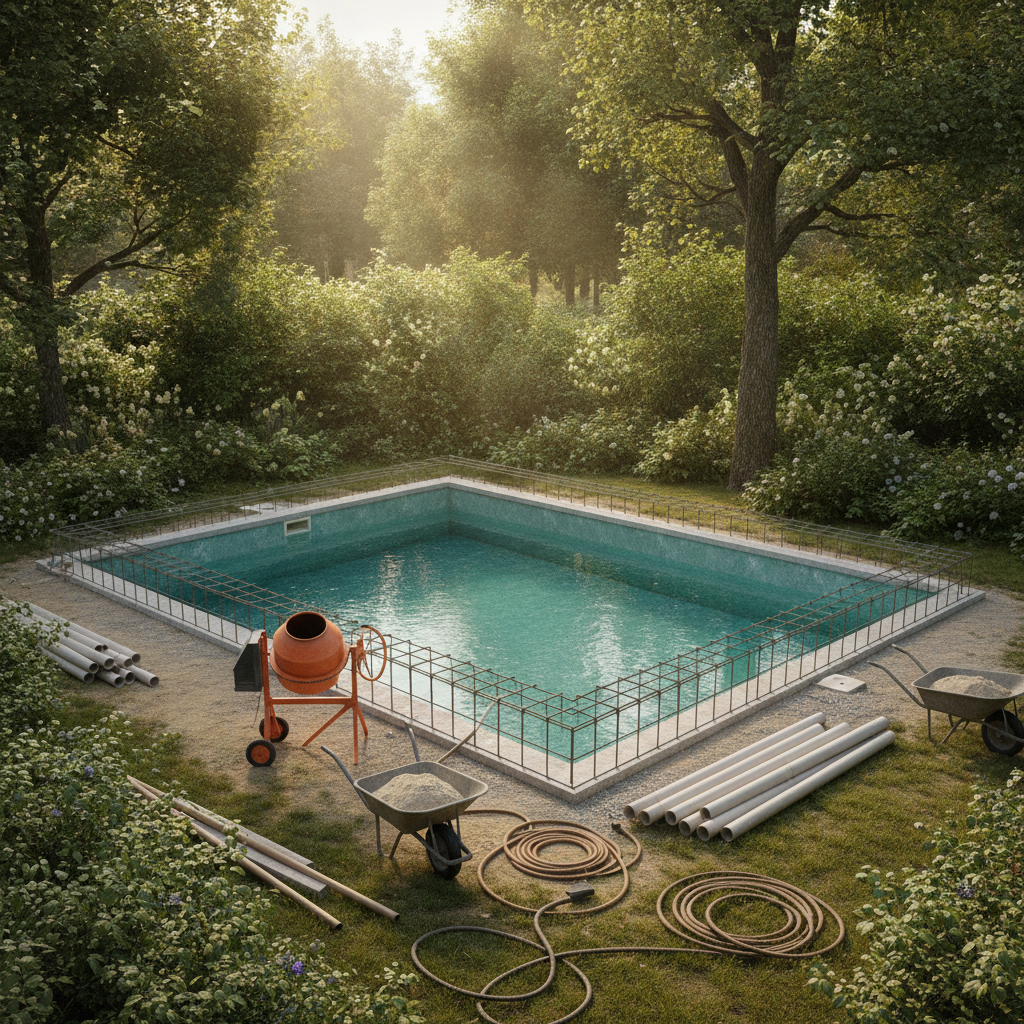
For many residents and business owners, adding or upgrading pool equipment is a major investment that promises cleaner water, lower maintenance, and greater enjoyment. Yet, the process of pool equipment installation can seem daunting, especially if you’re unfamiliar with what’s involved or how long it might take. Whether you’re a developer planning a new build, a small business owner managing a commercial pool, or a homeowner looking to modernize your backyard oasis, understanding the pool equipment installation timeline is key to a smooth experience. In this guide, we’ll walk through each phase of the process, from planning and permits to the final system check, so you know exactly what to expect. Along the way, we’ll highlight the unique considerations for pool equipment installation in Irvine CA, and share insights to help you make informed decisions. By the end, you’ll be equipped with practical knowledge to ensure your project stays on track and delivers lasting results.
Understanding the Pool Equipment Installation Timeline
The timeline for installing pool equipment can vary widely based on the scope of the project, the type of equipment being installed, and the specific needs of the property. Generally, a straightforward replacement of a single component, such as a pump or filter, can be completed in a day. However, a full system upgrade or a new pool build with integrated automation, heating, and advanced filtration may span several days or even weeks. Factors such as weather, permit approvals, and the availability of specialized equipment or parts can also influence the schedule. For those seeking reliable, professional installation, working with experienced local providers like Saddleback Mountain can help streamline the process and minimize unexpected delays. By understanding the typical phases and what each entails, you can better anticipate milestones and prepare for any adjustments that may arise.
Pre-Installation Planning: Assessments and Permits
Before any physical work begins, a thorough assessment of your pool and surrounding area is essential. This stage involves evaluating the existing infrastructure, determining the best equipment for your needs, and mapping out where each component will be placed for optimal performance and accessibility. In many cases, especially for significant upgrades or new installations, permits from the local municipality are required. This is particularly true in areas with strict building codes or environmental regulations. The planning phase is also when you’ll review estimates, finalize equipment choices, and schedule the installation date. Taking the time to address these details upfront helps prevent costly changes or delays once work is underway. For commercial pools or multi-unit developments, this phase may also include coordination with property managers, engineers, or architects to ensure compliance with broader project goals. For more insight into how filter maintenance can impact your overall pool system, check out The Hidden Cost of a Dirty Pool Filter: Better Flow, Fewer Repairs, and Lower Energy Use in Rancho Santa Margarita.
Site Preparation and Equipment Delivery
Once planning is complete and permits are secured, the next step is preparing the site for installation. This may involve clearing the area around the pool, ensuring safe access for technicians, and protecting landscaping or adjacent structures. For new pool builds, this phase could include trenching for plumbing and electrical lines, pouring concrete pads for equipment, or installing enclosures to minimize noise and weather exposure. Equipment delivery is typically coordinated to arrive just before installation begins, reducing the risk of damage or theft. During this stage, it’s important to verify that all components have arrived as specified and to inspect for any shipping damage. For those upgrading existing systems, site preparation might also include removing old or outdated equipment and addressing any underlying issues such as leaks, corrosion, or electrical faults. To understand how professional filter cleaning can improve your pool’s performance, see How Professional Filter Deep Cleaning Improves Water Circulation in Rancho Santa Margarita Pools.
Installation Day: What Happens Onsite
On the scheduled installation day, technicians will arrive with all necessary tools and equipment. The process typically begins with a safety briefing and a review of the installation plan. For a standard residential pool, the team will disconnect and remove any old equipment, then position and secure the new components, such as pumps, filters, heaters, and automation panels, according to the agreed layout. Plumbing and electrical connections are made with care to ensure leak-free operation and compliance with local codes. For commercial or larger residential systems, additional steps may include integrating advanced controls, connecting to building management systems, or configuring remote monitoring features. Throughout the day, installers will test each component as it’s brought online, checking for proper flow, pressure, and operation. Communication with the property owner or manager is maintained to address any questions or last-minute adjustments. Depending on the complexity of the system, installation may be completed in a single day or extend into a second day for larger projects.
Plumbing and Electrical Integration
A critical part of pool equipment installation is the integration of plumbing and electrical systems. This phase ensures that water flows efficiently through pumps, filters, and heaters, and that all components receive the correct power supply. Licensed professionals will cut, fit, and glue PVC pipes, install valves for easy maintenance, and connect electrical wiring according to safety standards. For properties with solar heating, automation systems, or variable-speed pumps, additional wiring and controls may be required. It’s also common to install surge protection and grounding to safeguard sensitive electronics. Proper plumbing and electrical work not only ensures reliable operation but also protects against leaks, shorts, or other hazards that could damage equipment or endanger users. Once all connections are made, the system is pressure-tested and inspected before moving on to startup and calibration.
System Startup and Calibration
With all equipment in place and connected, technicians will initiate the system startup. This involves priming pumps, filling filters, and verifying that water is circulating as intended. Heaters, chlorinators, and automation panels are powered up and programmed according to manufacturer specifications and user preferences. Calibration is a vital step, as it ensures each component operates within optimal parameters for flow, pressure, and temperature. Technicians will also check for leaks, unusual noises, or error codes that could indicate problems. For advanced systems, this phase may include syncing mobile apps or remote controls, setting timers, and configuring energy-saving features. Property owners or managers are typically walked through basic operation and troubleshooting, with time for questions and hands-on demonstrations. This attention to detail ensures a smooth handoff and sets the stage for long-term reliability.
Post-Installation Inspection and Quality Assurance
After the initial startup, a thorough inspection is conducted to confirm that all equipment is functioning as designed. This includes checking for leaks at plumbing joints, verifying electrical safety, and ensuring that automation or remote monitoring features respond correctly. Many installers provide a checklist or report detailing each step of the process, along with recommendations for ongoing care. For commercial pools or properties with complex systems, a follow-up visit may be scheduled to address any issues that arise after a few days of operation. Quality assurance also involves reviewing warranty information, registering equipment with manufacturers, and providing contact details for future support. This final step gives property owners confidence that their investment is protected and that help is available should any questions or problems occur down the line.
Table: Typical Pool Equipment Installation Timeline
| Phase | Typical Duration | Key Activities |
|---|---|---|
| Pre-Installation Planning | 2–7 days | Assessment, permits, equipment selection |
| Site Preparation & Delivery | 1–2 days | Clearing area, delivery, staging equipment |
| Installation & Integration | 1–3 days | Plumbing, electrical, mounting equipment |
| System Startup & Calibration | 1 day | Testing, programming, owner orientation |
| Post-Installation Inspection | Same day or next day | Final checks, warranty, quality assurance |
Unique Considerations for Pool Equipment Installation in Irvine
Pool equipment installation in Irvine CA comes with its own set of local factors. The region’s climate, which features warm summers and mild winters, allows for year-round swimming but also places demands on equipment longevity and efficiency. Water conservation is a priority in this community, so many property owners opt for energy-efficient pumps, smart controllers, and advanced filtration systems that reduce water and energy use. Local building codes may require specific setbacks, noise reduction measures, or safety features such as anti-entrapment drains. It’s important to work with installers who are familiar with these requirements and can navigate the permitting process efficiently. Additionally, the area’s hard water can impact the lifespan of heaters and filters, making material selection and regular maintenance even more critical. By taking these unique factors into account, you can ensure your new equipment delivers reliable performance and complies with all local standards.
Choosing the Right Equipment for Your Needs
Selecting the best pool equipment involves balancing performance, efficiency, and long-term value. Modern pumps offer variable speed options that can significantly reduce energy costs, while advanced filters provide superior water clarity with less frequent cleaning. Automation systems allow for remote control and scheduling, making pool management easier for busy property owners. When choosing equipment, consider the size and usage patterns of your pool, as well as any special features such as waterfalls, spas, or saltwater systems. It’s also wise to factor in the availability of replacement parts and the reputation of the manufacturer. Consulting with a knowledgeable installer can help you weigh the pros and cons of different options and avoid costly mistakes. Ultimately, the right equipment will not only enhance your pool’s performance but also simplify maintenance and improve the overall swimming experience.
Maintenance Tips After Installation
Once your new pool equipment is up and running, regular maintenance is essential to preserve its performance and extend its lifespan. Start by following the manufacturer’s recommended service intervals for pumps, filters, and heaters. Regularly check for leaks, unusual noises, or changes in water clarity that could signal a problem. Clean skimmer baskets and filter cartridges as needed, and monitor chemical levels to prevent scaling or corrosion. For automated systems, keep software up to date and periodically test remote controls or sensors. Scheduling periodic professional inspections can catch issues early and help you avoid costly repairs. Keeping detailed records of maintenance and repairs will also make warranty claims smoother if needed. By staying proactive, you’ll protect your investment and enjoy worry-free swimming for years to come.
Final Thoughts
Navigating the pool equipment installation process doesn’t have to be overwhelming. By understanding each phase, from planning and permits to final inspection, you can set realistic expectations and avoid common pitfalls. Whether you’re upgrading a backyard retreat or managing a commercial facility, choosing the right equipment and working with experienced professionals will ensure a smooth, successful project. Remember to account for local considerations, stay on top of maintenance, and don’t hesitate to ask questions along the way. With the right approach, your new pool equipment will deliver years of reliable service, sparkling water, and peace of mind for everyone who enjoys your pool.