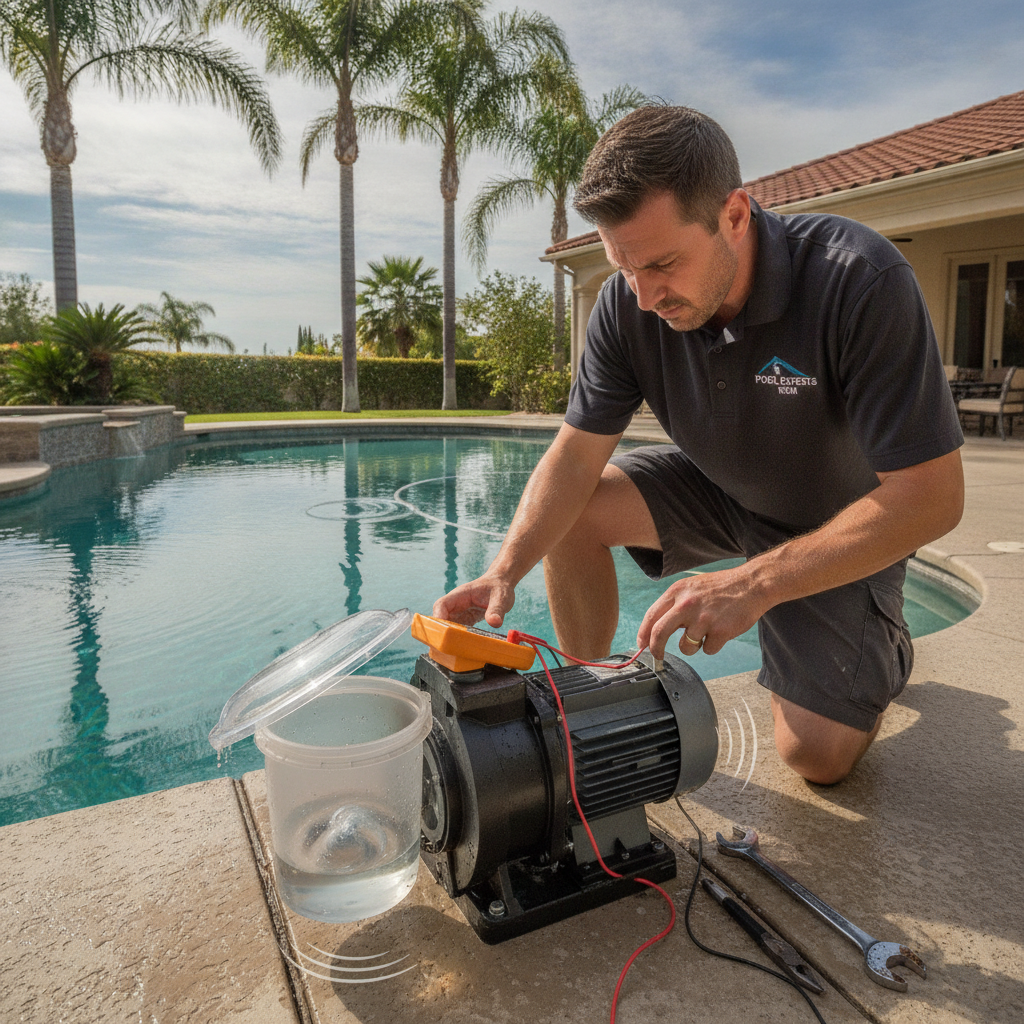
Pool ownership in this community is a point of pride, but when your pool pump starts making odd noises, vibrating, or failing to circulate water, it can quickly turn into a source of stress. Fast, effective pool pump troubleshooting is essential for keeping your water sparkling and your equipment safe. Whether you’re a small business owner managing a commercial pool or a homeowner looking to keep your backyard oasis inviting, understanding the basics of pool pump repair Rancho Margarita CA can save you time, money, and frustration. In this guide, we’ll break down the most common pump issues, noise, vibration, and low circulation, what causes them, and how to address them before they escalate into major repairs. You’ll also find practical tips, expert insights, and local perspectives to help you make informed decisions about your pool’s health and longevity.
Recognizing Early Signs of Pool Pump Trouble
Catching pool pump problems early is the key to avoiding more costly repairs down the line. The first signs of trouble are often subtle: a faint humming, a slight rattle, or a minor drop in water movement. These early indicators are your pool’s way of telling you something isn’t right. If you notice the water jets aren’t as strong as usual or your skimmer isn’t pulling in debris effectively, it’s time to investigate further.
Noise is often the most noticeable symptom. A well-functioning pool pump should produce a steady, low hum. If you hear screeching, grinding, or banging, it could signal worn bearings, debris in the impeller, or even a failing motor. Vibration is another red flag. While some vibration is normal, excessive shaking can indicate loose mounting bolts, misaligned components, or internal damage.
Low circulation is perhaps the most serious issue, as it can quickly lead to cloudy water, algae growth, and chemical imbalances. If your pool’s surface looks stagnant or your automatic cleaner isn’t moving as it should, the pump may be struggling. Early action is crucial, addressing these signs promptly can prevent a minor issue from becoming a major headache.
For those who want expert support, Saddleback Mountain offers professional diagnostics and repair services, ensuring your pool equipment stays in peak condition all season long.
Pinpointing the Source of Unusual Pool Pump Noises
Unusual noises from your pool pump can be alarming, but each type of sound provides valuable clues about the underlying problem. The most common culprits include worn bearings, cavitation, debris in the impeller, or air leaks. Bearings that have lost lubrication will emit a high-pitched screech or grinding noise, often signaling the need for replacement. Cavitation, which occurs when air enters the pump, creates a rattling or popping sound and can damage the impeller if left unchecked.
Debris such as leaves, twigs, or even small stones can become lodged in the impeller, causing a grinding or crunching noise. Regularly checking and cleaning the pump basket and skimmer basket can help prevent this issue. Air leaks, often found at the pump lid or suction-side fittings, can also introduce noise and reduce efficiency.
To accurately identify the source, turn off the pump and inspect the equipment closely. Listen for changes in sound as you restart the system. If the noise persists, it may be time to call in a professional for a thorough inspection. Addressing these noises early can prevent more serious damage and extend the lifespan of your pump.
For a deeper dive into how filter cleaning can improve your pool’s performance, check out How Professional Filter Deep Cleaning Improves Water Circulation in Rancho Santa Margarita Pools.
Diagnosing and Addressing Excessive Pump Vibration
Excessive vibration in your pool pump isn’t just annoying, it can lead to premature equipment failure and costly repairs. The most common causes include loose mounting bolts, misaligned pump and motor shafts, worn bearings, or an unbalanced impeller. Over time, vibration can loosen connections, crack plumbing, and even damage the pump housing.
Start by inspecting the pump’s mounting base. All bolts should be tight and secure, with no visible movement when the pump is running. If the vibration persists, check for shaft misalignment, which can occur after a repair or installation. Use a straightedge to verify alignment and adjust as needed. Worn bearings are another frequent culprit; if you hear grinding in addition to vibration, replacement may be necessary.
An unbalanced impeller, often caused by debris or manufacturing defects, can also create vibration. Remove the pump housing and inspect the impeller for damage or buildup. Cleaning or replacing the impeller can restore smooth operation. Remember, persistent vibration should never be ignored, as it can escalate into more severe damage over time.
Looking to modernize your pool system? Explore Smart Pool Equipment Upgrades for Rancho Santa Margarita Homes: Automation, Efficiency, and Control for ways to boost performance and reduce maintenance headaches.
Understanding Low Circulation and Its Impact on Pool Health
Low water circulation is a serious issue that can affect everything from water clarity to chemical balance. When your pump isn’t moving enough water, it leaves dead spots where algae and bacteria can thrive. This not only makes your pool less inviting but can also lead to more frequent chemical treatments and higher maintenance costs.
There are several potential causes for low circulation. Clogged skimmer baskets, dirty filters, and blocked return lines are among the most common. Sometimes, the issue is as simple as a closed valve or a stuck diverter. In other cases, a failing pump motor or impeller may be to blame. Regular inspection and cleaning of all components are essential for maintaining optimal flow.
The impact of poor circulation extends beyond just water quality. It can also put additional strain on your pump and filter, shortening their lifespan and increasing the likelihood of breakdowns. By addressing circulation issues promptly, you can keep your pool healthier and reduce the need for costly repairs.
Common Causes of Pool Pump Noise and Vibration
Noise and vibration in pool pumps can stem from a variety of sources. Understanding these causes can help you troubleshoot more effectively. Mechanical wear and tear is the most frequent culprit, especially in older equipment. Bearings, seals, and impellers naturally degrade over time, leading to increased friction and noise.
Improper installation can also introduce problems. If the pump isn’t mounted securely or is placed on an uneven surface, vibration is almost inevitable. Plumbing issues, such as air leaks or partially blocked pipes, can create noise as water struggles to move through the system. Electrical issues, including voltage fluctuations or loose wiring, may cause the motor to run erratically, adding to the problem.
Environmental factors shouldn’t be overlooked. In the area, wind-blown debris and fluctuating temperatures can affect pump performance. Regular maintenance and prompt attention to unusual sounds or movements are the best ways to prevent these issues from escalating.
Step-by-Step Troubleshooting for Pool Pump Issues
Troubleshooting your pool pump doesn’t have to be intimidating. By following a systematic approach, you can often pinpoint and resolve the issue without professional help. Start by turning off the pump and inspecting all visible components. Check for obvious signs of wear, leaks, or loose connections.
Next, clean the skimmer and pump baskets to ensure there are no blockages. Remove the pump lid and inspect the impeller for debris. If you find any, clear it out carefully. Check all valves to make sure they are fully open and that water can flow freely through the system. Restart the pump and observe its operation, listening for unusual noises or watching for excessive vibration.
If the problem persists, it may be time to check the electrical connections and ensure the pump is receiving consistent power. For more complex issues, such as internal motor problems or persistent leaks, professional assistance is recommended. Regular troubleshooting can help you catch small problems before they become major repairs.
Table: Quick Reference Guide to Pool Pump Symptoms and Solutions
| Symptom | Possible Cause | Recommended Action |
|---|---|---|
| Loud screeching noise | Worn bearings | Replace bearings or motor |
| Rattling or popping | Cavitation (air in pump) | Check for air leaks, reseal fittings |
| Grinding noise | Debris in impeller | Clean impeller and baskets |
| Excessive vibration | Loose mounting, misalignment | Tighten bolts, realign shafts |
| Low water flow | Clogged filter or basket | Clean or replace filter, empty baskets |
| Pump won’t start | Electrical issue | Check wiring, consult electrician |
Preventive Maintenance Tips for Reliable Pool Pump Operation
Preventive maintenance is the best way to avoid unexpected pool pump failures. Start by establishing a regular schedule for cleaning skimmer and pump baskets, as well as backwashing or replacing filters. Inspect all fittings and hoses for leaks, and tighten any loose connections. Lubricate O-rings and seals to prevent air leaks and maintain a watertight system.
Monitor your pump for any changes in sound or performance, and address issues as soon as they arise. Replace worn parts promptly to prevent further damage. Consider upgrading to energy-efficient pumps and smart controllers, which can alert you to problems before they become serious. Keeping a maintenance log can help you track service intervals and spot recurring issues.
By staying proactive, you’ll enjoy clearer water, lower energy bills, and a longer-lasting pool system. Preventive care is especially important in regions with heavy pool use or challenging weather conditions, as equipment is subjected to greater wear and tear.
When to Call a Professional for Pool Pump Repair
While many pool pump issues can be addressed with basic troubleshooting, some situations call for professional expertise. If you encounter persistent leaks, electrical problems, or internal motor damage, it’s best to consult a certified technician. Attempting complex repairs without the right tools or knowledge can lead to further damage or even safety hazards.
Professionals have the experience to quickly diagnose and resolve issues, often saving you time and money in the long run. They can also recommend upgrades or replacements if your equipment is outdated or inefficient. For business owners and property managers, professional service ensures compliance with local codes and keeps your pool safe for guests.
Don’t hesitate to seek help if you’re unsure about a problem or if your pump is under warranty. Expert repairs can restore your system to optimal performance and prevent costly downtime during peak swimming season.
Upgrading Your Pool Pump for Better Performance
If your pool pump is aging or frequently in need of repair, upgrading to a newer, more efficient model can offer significant benefits. Modern pumps are designed to operate more quietly, use less energy, and provide better water circulation. Variable-speed pumps, in particular, allow you to adjust flow rates to match your pool’s needs, reducing wear and lowering utility bills.
When considering an upgrade, evaluate your pool’s size, plumbing configuration, and usage patterns. Consult with a pool professional to ensure the new pump is properly sized and compatible with your existing system. Upgrading may also involve updating other components, such as filters or controllers, to maximize efficiency and reliability.
Investing in a modern pump not only improves performance but also enhances your overall pool experience. Quieter operation, better water clarity, and reduced maintenance are just a few of the advantages you’ll enjoy. For residents in the area, local pool experts can recommend the best options for your specific needs and budget.
Final Thoughts
Addressing pool pump noise, vibration, and low circulation quickly is essential for maintaining a healthy, inviting pool. By recognizing early warning signs, understanding the root causes, and following a systematic troubleshooting process, you can resolve most issues before they escalate. Preventive maintenance and timely upgrades will keep your system running smoothly, while professional help is invaluable for complex repairs. Whether you’re managing a commercial pool or caring for your backyard retreat, staying proactive ensures your pool remains a source of enjoyment all season long. For those in Margarita and the surrounding area, local pool professionals are always ready to assist with expert advice and reliable service.