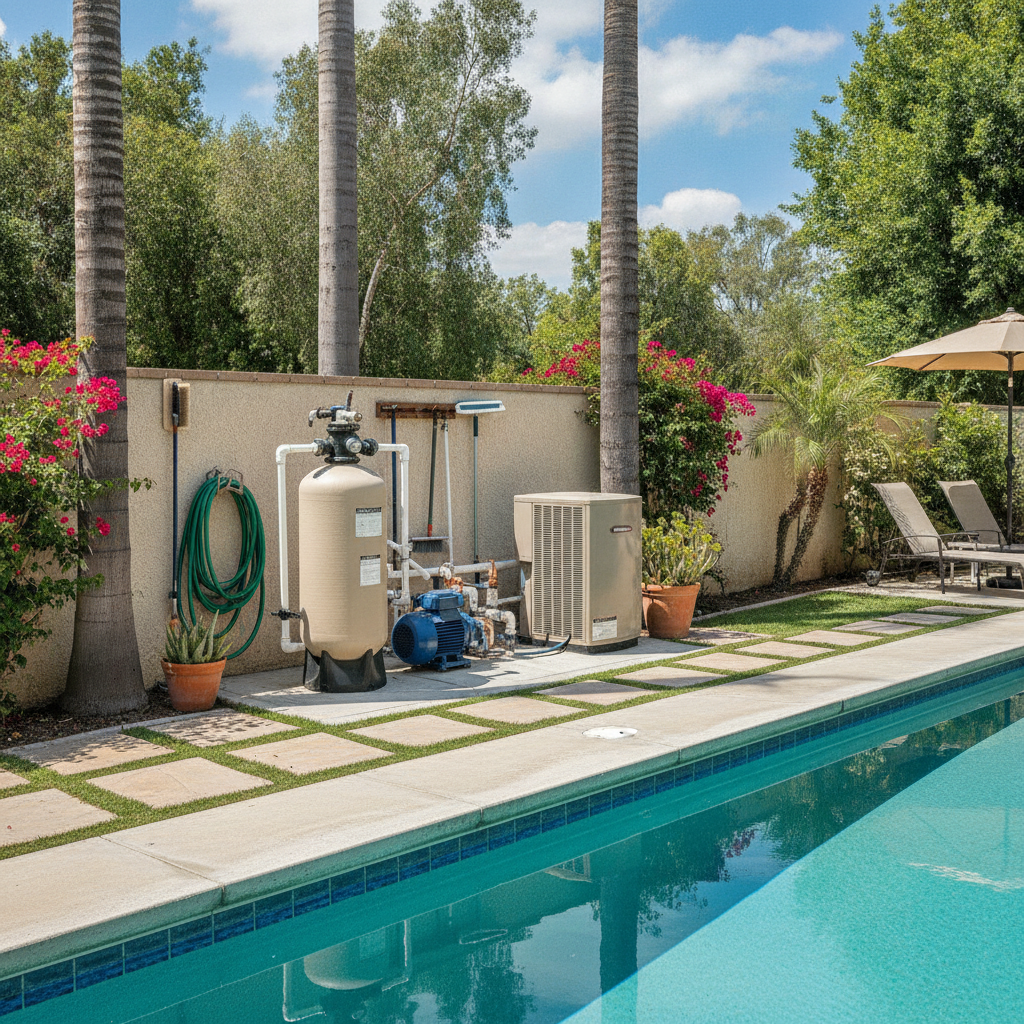
If you own a pool or are planning a new build, you know that the pool equipment area is the heart of your aquatic retreat. Yet, many overlook how much a well-planned layout can affect everything from water quality to energy bills and even the ease of future repairs. In the world of pool equipment installation Irvine CA property owners face unique challenges, tight backyard spaces, noise concerns, and ever-changing local codes. Whether you’re a small business owner, developer, or just a homeowner who wants fewer headaches, understanding how to organize your pool equipment can make all the difference. In this guide, we’ll explore how thoughtful planning boosts performance, simplifies maintenance, and creates a more enjoyable pool experience. Let’s dive into the practical steps and smart strategies that set the foundation for a trouble-free pool in this community and beyond.
Why Pool Equipment Layout Matters More Than You Think
It’s easy to assume that as long as your pump, filter, and heater are somewhere near the pool, you’re good to go. But the reality is, the way your equipment is arranged can have a major impact on performance and longevity. A cramped or poorly planned setup can cause bottlenecks in water flow, lead to overheating, and make routine maintenance a nightmare. For example, if your filter is wedged behind your heater, cleaning it becomes a frustrating chore. Similarly, if electrical panels are too close to water lines, you risk safety issues and code violations. By prioritizing layout from the start, you can ensure smooth water circulation, reduce energy consumption, and make future service calls quick and painless. For those seeking expert guidance, Saddleback Mountain offers valuable insights on optimizing pool equipment arrangements for both new installations and upgrades.
Common Mistakes in Pool Equipment Placement
Many pool owners and even some contractors fall into the trap of prioritizing convenience over function when placing pool equipment. One frequent error is clustering all components too closely, which can restrict airflow and make it difficult to access valves or replace parts. Another common mistake is ignoring manufacturer-recommended clearances, leading to overheating or warranty issues. Sometimes, equipment is installed on uneven surfaces, causing vibrations and premature wear. In other cases, pipes are routed in a way that creates unnecessary bends, reducing flow efficiency. These missteps can lead to increased breakdowns and higher operational costs. Recognizing the warning signs of poor equipment health is crucial; for more on this, see Is Your Pool Pump Motor Failing? Warning Signs Rancho Santa Margarita Homeowners Shouldn’t Ignore for a detailed breakdown of what to watch for.
Optimizing for Energy Efficiency and Service Access
A thoughtfully designed pool equipment area can do more than just keep things tidy, it can reduce your energy bills and make regular maintenance far less stressful. Start by ensuring that pumps and filters are positioned for straight, short pipe runs, which minimizes resistance and maximizes flow. Grouping equipment by function (for example, keeping all water treatment devices together) makes it easier for technicians to diagnose issues. Leave ample space around each unit for airflow and hands-on access. Consider the orientation of heaters and heat pumps to maximize efficiency and minimize noise. Smart placement of timers and automation panels can also streamline daily operation. For those looking to boost energy savings, Pool Equipment Installation for Better Energy Savings in Rancho Santa Margarita Backyards provides actionable tips that can be applied to any well-planned layout.
Key Factors to Consider Before Installation
Before breaking ground on your pool equipment pad, it’s important to weigh several factors that will influence both performance and long-term convenience. First, assess the available space and any local zoning or building codes that may dictate setbacks or noise restrictions. Next, consider the types of equipment you’ll need, pumps, filters, heaters, chlorinators, automation panels, and ensure there’s enough room for each with recommended clearances. Think about future upgrades: leaving extra space now can save you from costly rework later. Drainage is another critical aspect; your equipment area should be slightly elevated and sloped to prevent standing water, which can lead to corrosion or electrical hazards. Finally, plan for accessibility: ensure all valves, baskets, and control panels are within easy reach and not blocked by fencing or landscaping. Taking these steps at the outset sets the stage for a reliable, efficient pool system.
How Proper Layout Improves Pool Performance
A well-organized pool equipment area isn’t just about aesthetics, it directly impacts water quality, circulation, and energy use. When pumps and filters are aligned for optimal flow, water moves more efficiently through the system, improving filtration and chemical distribution. This means clearer water and fewer algae outbreaks. Proper spacing also reduces heat buildup, extending the life of motors and electronics. By minimizing pipe bends and keeping runs short, you decrease pressure loss, which lets your pump operate at lower speeds and saves energy. Additionally, easy access to equipment ensures that routine maintenance, like cleaning strainers or backwashing filters, gets done on schedule, preventing small issues from becoming costly repairs. In short, a thoughtful layout is the foundation of a healthy, low-maintenance pool.
Noise Reduction Strategies for a Quieter Pool Area
Pool equipment can be noisy, especially when pumps and heaters are running at full capacity. To maintain a peaceful backyard environment, consider several noise reduction strategies during the planning phase. First, locate equipment as far from living spaces and neighbors as possible, while still maintaining efficient plumbing runs. Use vibration-dampening pads beneath pumps and filters to minimize mechanical noise. Installing sound barriers, such as masonry walls or dense shrubs, can further reduce the transmission of noise. Choose variable-speed pumps, which operate more quietly at lower speeds and offer significant energy savings. Additionally, regular maintenance, like tightening bolts and lubricating moving parts, can prevent rattling and humming. By integrating these strategies into your layout, you’ll enjoy a quieter, more relaxing poolside experience.
Planning for Future Upgrades and Technology
Technology is rapidly changing the way pools are managed, from smart automation systems to energy-efficient heat pumps. When designing your equipment layout, it’s wise to anticipate future upgrades. Leave extra space on the pad for potential additions, such as saltwater chlorinators, UV systems, or advanced automation panels. Ensure electrical panels have capacity for added circuits, and that plumbing can accommodate new devices without major rework. Consider running extra conduits for data or power cables to support future technology. By planning ahead, you can easily integrate new features as they become available, keeping your pool up-to-date and maximizing your investment over time.
Accessibility and Safety: Making Maintenance Easy
Routine pool maintenance is much easier when equipment is accessible and safely organized. Make sure all valves, baskets, and control panels are within arm’s reach and not blocked by other units or landscaping. Install non-slip surfaces around the equipment pad to prevent accidents, especially when working with wet hands. Clearly label pipes and valves to avoid confusion during service calls. Keep electrical panels at least five feet from water sources, in line with most safety codes, and use weatherproof enclosures to protect sensitive electronics. Adequate lighting around the equipment area ensures safe operation during evening hours. These measures not only protect your investment but also make it easier for technicians to keep your pool running smoothly.
Comparing Equipment Layout Options: A Quick Reference Table
| Layout Type | Best For | Pros | Cons |
|---|---|---|---|
| Linear (Side-by-Side) | Narrow spaces, easy access | Simple plumbing, easy to service | Requires longer pad, may limit upgrades |
| Clustered (Grouped by Function) | Larger pads, complex systems | Efficient use of space, future-proof | Can be harder to access individual units |
| Split (Multiple Pads) | Large properties, noise control | Reduces noise, flexible placement | Higher installation cost, more plumbing |
This table offers a snapshot of the most common pool equipment layout options, helping you weigh the advantages and drawbacks based on your needs and property size. Choosing the right configuration can make a significant difference in both daily use and long-term serviceability.
Local Considerations for Pool Equipment Installation in Irvine
When planning a pool equipment layout in Irvine, it’s important to factor in the area’s unique climate, regulations, and neighborhood norms. The region’s warm summers and mild winters influence equipment choices, such as opting for energy-efficient pumps and heaters that can handle year-round use. Local codes may dictate minimum distances from property lines or require noise-reduction measures to keep neighbors happy. Drought-conscious landscaping can also affect where you place your equipment pad, as you’ll want to avoid runoff or overspray onto water-wise plants. Consulting with a local pool professional ensures your layout meets all requirements and maximizes both performance and compliance. Always check with city planning before starting any installation to avoid costly delays or modifications.
Smart Automation: Integrating Controls Into Your Layout
Modern pool systems are increasingly automated, allowing owners to control pumps, heaters, lights, and even water features from their smartphones or tablets. When designing your equipment layout, plan for the integration of automation panels and smart sensors. Place control panels at a comfortable height and in a location protected from direct sunlight and rain. Run conduit for data cables to ensure reliable connectivity. Grouping automation components together makes troubleshooting easier and keeps wiring organized. As technology evolves, having a flexible layout will make it simple to add new features or upgrade existing systems, keeping your pool at the forefront of convenience and efficiency.
Final Thoughts
A well-planned pool equipment layout is more than just a technical detail, it’s the foundation of a reliable, efficient, and enjoyable pool experience. By considering factors like energy efficiency, accessibility, future upgrades, and local requirements, you can create a setup that performs beautifully and stands the test of time. Whether you’re building a new pool or upgrading an existing one, investing the time to design the right layout will pay dividends in lower maintenance costs, quieter operation, and fewer service headaches. Remember, the best pool equipment installations are those you hardly notice, because everything just works. Take the time to plan thoughtfully, consult with local experts, and enjoy the peace of mind that comes with a truly optimized pool system.