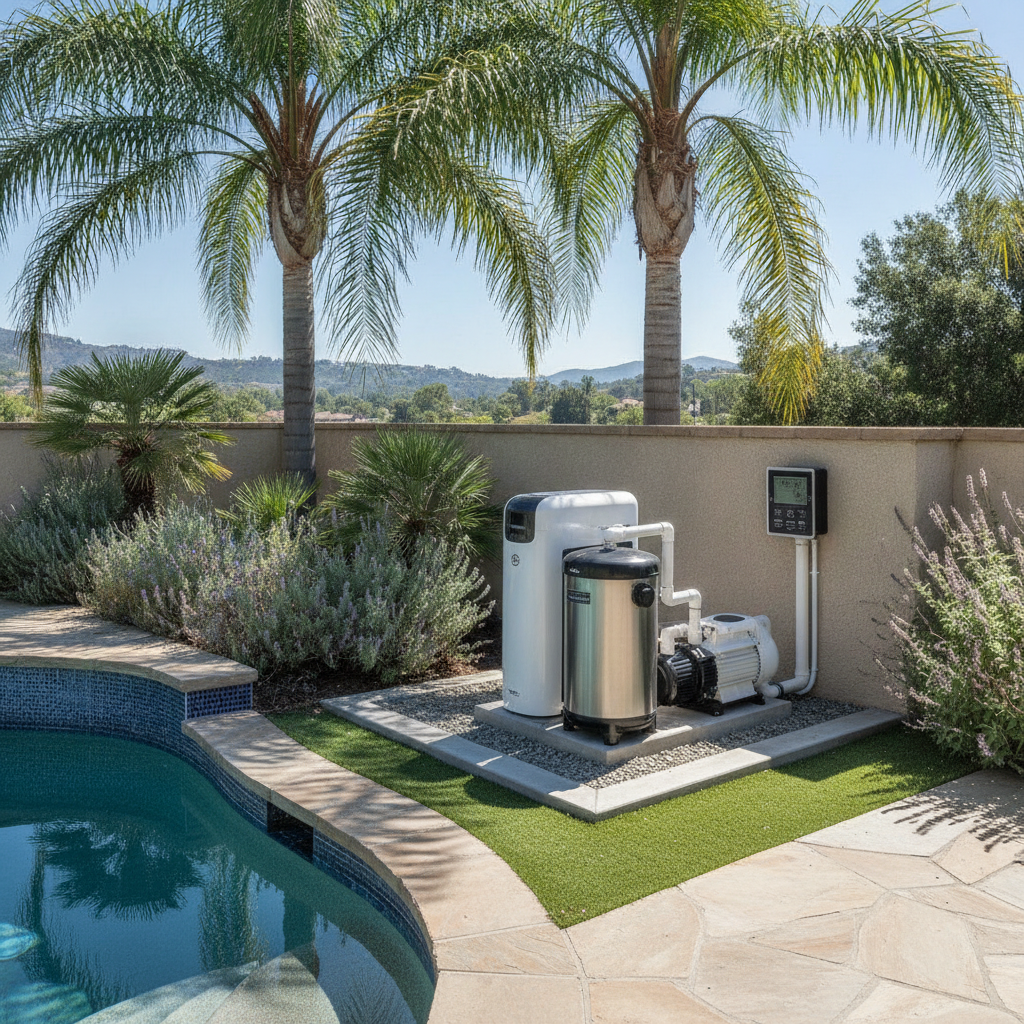
If you own an older pool in the area, you may have noticed that your equipment isn’t performing like it used to. Maybe the water isn’t as clear, the pump is noisy, or your energy bills are creeping up. Planning a pool equipment retrofit can feel overwhelming, but it’s one of the smartest investments you can make for your property’s value, safety, and enjoyment. Whether you’re a small business owner managing a commercial pool, a developer updating a community amenity, or a homeowner who wants a backyard oasis, understanding what older systems need most is crucial. In this guide, we’ll walk you through the essentials of pool equipment installation Rancho Margarita CA property owners should consider, with a focus on practical upgrades, troubleshooting, and how to future-proof your pool for years of reliable use.
Identifying Signs Your Pool Equipment Needs an Upgrade
Recognizing when your pool equipment is past its prime is the first step in planning a successful retrofit. Many pool owners in this community rely on older pumps, filters, and heaters that may have served them well for years, but all equipment has a lifespan. Common signs that your system needs attention include persistent cloudy water, frequent breakdowns, excessive noise, or rising energy costs. You might also notice leaks around your pump or filter, or find that your pool is taking longer to heat. These symptoms often point to aging components that are no longer operating efficiently or safely.
Another telltale sign is the struggle to maintain water chemistry. Outdated equipment may not circulate or filter water effectively, leading to algae growth and more frequent chemical adjustments. If you’re spending more time troubleshooting than enjoying your pool, it’s likely time to consider a retrofit. Consulting with a local expert like Saddleback Mountain can help you assess your current setup and identify which components are most in need of replacement.
- Unusual pump noises or vibration
- Visible rust or corrosion on equipment
- Frequent tripping of electrical breakers
- Difficulty keeping water clean and clear
By spotting these issues early, you can plan your retrofit before a major failure occurs, avoiding costly emergency repairs and downtime.
Understanding the Role of Proper Filtration in Pool Health
Filtration is the backbone of any healthy pool system. For older pools, outdated or undersized filters can be a root cause of persistent water quality problems. Over time, filter media can become clogged, cracked, or simply too worn to do their job. This leads to poor circulation, cloudy water, and an increased risk of algae or bacteria growth. Upgrading your filtration system as part of your retrofit is one of the most effective ways to restore water clarity and reduce maintenance headaches.
Modern filters come in several types, including cartridge, sand, and DE (diatomaceous earth). Each has its strengths, but all benefit from advances in design that improve flow rates and ease of cleaning. When planning a retrofit, consider whether your current filter is appropriately sized for your pool’s volume and usage. Undersized filters work harder and wear out faster, while oversized units can operate more efficiently and require less frequent cleaning.
For a deeper dive into why filter maintenance matters, check out How Professional Filter Deep Cleaning Improves Water Circulation in Rancho Santa Margarita Pools. Upgrading your filter is not just about water clarity, it’s about protecting every other piece of equipment in your system.
- Improved water clarity and swimmer comfort
- Reduced chemical usage and costs
- Longer lifespan for pumps and heaters
A high-quality filter upgrade is an investment in the long-term health of your pool, making it easier to maintain and more enjoyable for everyone.
Modernizing Pool Pumps for Efficiency and Reliability
The pool pump is often called the heart of the pool system, and for good reason. Older pumps tend to be single-speed, noisy, and energy-hungry, which can quickly drive up operating costs. Modern variable-speed pumps offer a dramatic improvement in both efficiency and reliability, often paying for themselves in energy savings within a few seasons. If your current pump is more than a decade old, it may be time to consider an upgrade as part of your retrofit plan.
Variable-speed pumps allow you to adjust flow rates for different tasks, high for vacuuming, low for filtration, reducing wear and extending equipment life. They also run quieter, which makes a big difference for pools located near patios or living spaces. In many cases, local utility companies offer rebates for upgrading to energy-efficient models, making the investment even more attractive.
For those interested in the latest technology, automation-ready pumps can be integrated with smart pool controllers, allowing you to schedule run times and monitor performance from your phone. Learn more about these options in Smart Pool Equipment Upgrades for Rancho Santa Margarita Homes: Automation, Efficiency, and Control. Upgrading your pump is one of the most effective ways to modernize your pool and reduce long-term costs.
- Lower energy bills and quieter operation
- Longer equipment lifespan
- Enhanced control and automation options
A modern pump is a cornerstone of any successful pool equipment retrofit, delivering immediate and long-term benefits for pool owners.
Heater Upgrades: Extending Your Swim Season
For many pool owners, a heater is essential for maximizing the use of their pool throughout the year. Older heaters can be inefficient, slow to warm up, or prone to breakdowns. When planning a retrofit, upgrading to a modern, energy-efficient heater can make a significant difference in comfort and cost. Today’s heaters use advanced combustion technology or heat pump systems that deliver more heat with less fuel or electricity.
Gas heaters are still popular for their rapid heating capabilities, but heat pump heaters are gaining traction due to their lower operating costs and environmental impact. The right choice depends on your pool’s size, how often you use it, and your budget. A professional can help you determine the best fit for your needs and ensure proper installation for maximum efficiency.
- Faster heat-up times for spontaneous swims
- Lower energy consumption with modern models
- Extended swim season and increased property value
Upgrading your heater as part of a retrofit can transform your pool from a seasonal amenity into a year-round retreat.
Automation and Smart Controls: The Future of Pool Management
Pool automation has rapidly evolved, offering unprecedented convenience and control for pool owners. If your current system relies on manual timers or switches, upgrading to a smart controller can streamline maintenance and improve efficiency. Modern automation systems allow you to schedule pump and heater run times, adjust lighting, and even monitor chemical levels from your smartphone or tablet.
For small business owners or property managers, automation can reduce labor costs and minimize human error. Homeowners benefit from the peace of mind that comes with remote monitoring and alerts for potential issues. Many systems are modular, so you can start with basic scheduling and expand to include features like saltwater chlorination, freeze protection, or leak detection as your needs evolve.
- Remote control of pumps, heaters, and lights
- Automated chemical dosing for safer water
- Customizable schedules for energy savings
Embracing automation during your retrofit can transform pool care from a chore into a seamless, enjoyable experience.
Electrical and Plumbing Considerations for Retrofits
Retrofitting pool equipment often involves more than just swapping out old parts. Many older pools have outdated electrical wiring or plumbing that may not be compatible with modern equipment. Before installation, it’s important to assess the condition of your pool’s power supply, breakers, and bonding systems. Upgrading to variable-speed pumps or smart controllers may require dedicated circuits or updated panels to ensure safety and code compliance.
Plumbing is another critical area. Aging PVC pipes can become brittle, develop leaks, or restrict flow due to scaling or buildup. During a retrofit, professionals may recommend replacing sections of pipe, updating valves, or installing new unions for easier future maintenance. These upgrades not only support new equipment but also help prevent leaks and water loss down the road.
- Assess electrical capacity for modern equipment
- Check for proper grounding and bonding
- Inspect plumbing for leaks or flow restrictions
Addressing these foundational systems ensures your retrofit delivers reliable performance and meets all safety standards.
Selecting the Right Equipment for Your Pool’s Needs
No two pools are exactly alike, and a successful retrofit depends on selecting equipment that matches your pool’s size, usage patterns, and unique challenges. Commercial pools may require heavy-duty pumps and filters designed for high bather loads, while residential pools can often benefit from quieter, more energy-efficient options. Consider how often your pool is used, the number of swimmers, and whether you want to add features like waterfalls or spa jets.
Work with a knowledgeable contractor who can perform a thorough assessment and recommend equipment that fits your goals and budget. They can help you navigate the wide range of options, from basic replacements to advanced automation and eco-friendly upgrades. Investing in the right equipment now can prevent headaches and additional costs in the future.
- Match pump and filter size to pool volume
- Consider energy efficiency ratings
- Plan for future upgrades or add-ons
Choosing the right equipment is the foundation of a retrofit that delivers lasting value and satisfaction.
Cost Considerations and Budgeting for Your Retrofit
Budgeting for a pool equipment retrofit requires balancing immediate costs with long-term savings. While the upfront investment can be significant, modern equipment often pays for itself through reduced energy bills, fewer repairs, and lower maintenance needs. Start by prioritizing the most critical upgrades, typically pumps and filters, then plan for additional improvements like heaters or automation as your budget allows.
Many equipment manufacturers offer warranties on new products, and some local utilities provide rebates for energy-efficient upgrades. Be sure to factor these incentives into your budget. It’s also wise to set aside a contingency fund for unexpected issues that may arise during installation, such as the discovery of old wiring or hidden leaks.
- Prioritize essential upgrades first
- Explore rebates and warranty options
- Plan for future improvements over time
A well-planned budget ensures your retrofit project stays on track and delivers the best possible return on investment.
Comparing Old and New Pool Equipment: A Quick Reference Table
| Equipment | Older Systems | Modern Upgrades |
|---|---|---|
| Pump | Single-speed, higher energy use, noisy | Variable-speed, energy efficient, quiet |
| Filter | Worn media, undersized, difficult to clean | Larger, easier maintenance, improved flow |
| Heater | Inefficient, slow, frequent repairs | Faster, efficient, reliable |
| Controls | Manual timers, limited options | Smart automation, remote access |
| Plumbing/Electrical | Aging pipes, outdated wiring | Upgraded, safer, more reliable |
This table highlights the key differences between older pool systems and modern upgrades, helping you quickly identify where your retrofit can have the greatest impact.
Working with Local Pool Professionals
Choosing the right contractor is just as important as selecting the right equipment. Experienced local professionals understand the unique challenges of pools in this city, from climate considerations to local building codes. They can help you navigate the retrofit process, secure necessary permits, and ensure that all work is completed to the highest standards.
Ask potential contractors about their experience with retrofits, the brands they recommend, and their approach to troubleshooting unexpected issues. A reputable professional will provide a detailed estimate, explain your options, and answer any questions you have. Building a relationship with a trusted pool expert is an investment in your pool’s longevity and your peace of mind.
- Verify licensing and insurance
- Request references or reviews
- Discuss warranty and service plans
Working with local professionals ensures your retrofit is done right the first time, saving you time and money in the long run.
Maintenance Tips After Your Retrofit
Once your new equipment is installed, proper maintenance is key to maximizing its lifespan and performance. Modern systems are designed to be more user-friendly, but regular care is still essential. Follow the manufacturer’s guidelines for cleaning and servicing pumps, filters, and heaters. Schedule routine inspections to catch minor issues before they become major problems.
Consider setting up reminders for filter cleaning, pump basket checks, and chemical balancing. Many smart controllers can automate these reminders and even alert you to potential issues. Keeping a maintenance log can help you track performance and spot trends that may indicate emerging problems.
- Clean filters and baskets regularly
- Monitor water chemistry weekly
- Schedule annual professional inspections
A proactive maintenance routine protects your investment and ensures your pool remains a safe, inviting space for years to come.
Key Takeaways
Planning a pool equipment retrofit in Margarita is about more than replacing worn-out parts, it’s an opportunity to enhance efficiency, comfort, and property value. By identifying the signs of aging equipment, prioritizing essential upgrades, and working with experienced professionals, you can transform your pool into a modern, low-maintenance retreat. Remember to consider the unique needs of your pool, budget for both immediate and future improvements, and embrace new technologies that make pool ownership easier than ever. With the right approach, your retrofit will pay dividends in enjoyment and peace of mind for years to come.