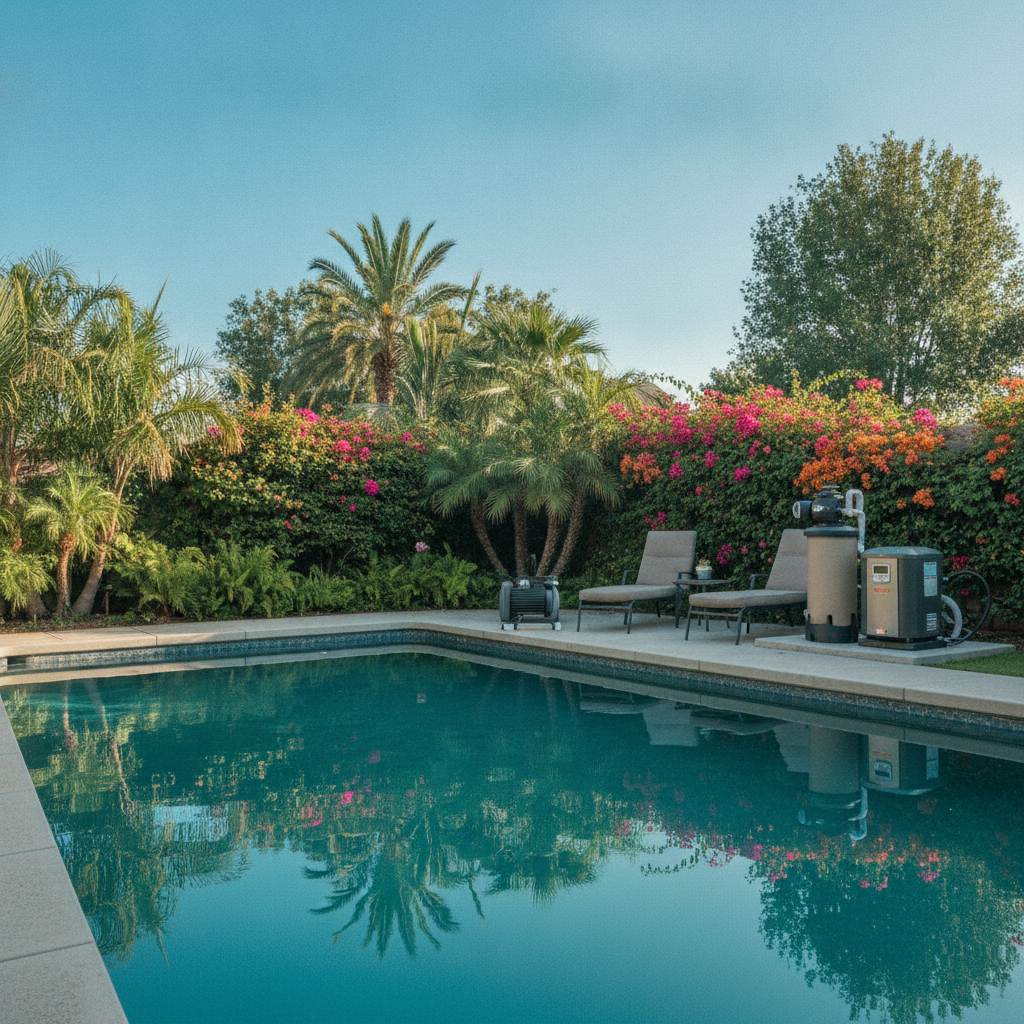
Thinking about upgrading your backyard oasis with new pool equipment? Whether you’re a small business owner managing a community pool, a developer planning a new build, or a homeowner looking to enhance your private retreat, understanding the essentials of pool equipment installation in Irvine CA is key to a successful project. The right combination of pump, filter, and heater can make all the difference in water quality, energy efficiency, and overall swimming enjoyment. With so many options and technical details, it’s easy to feel overwhelmed. This comprehensive guide breaks down what you need to know about selecting, installing, and maintaining the best pool equipment for your unique needs. From understanding different pump technologies to choosing the right filter media and heater type, you’ll find clear, actionable advice to help you make informed decisions and avoid common pitfalls. Dive in and discover how to transform your backyard into the perfect place to relax, entertain, and enjoy crystal-clear water all season long.
Understanding Pool Equipment Installation in Irvine CA
Installing pool equipment in this region involves more than just picking out the latest gadgets. The local climate, water chemistry, and even city codes play a role in determining what works best for your backyard. For example, energy efficiency is a top priority for many residents, given California’s focus on sustainability and rising utility costs. Choosing equipment that meets or exceeds local standards can save you money and ensure compliance. It’s also important to consider the layout of your space, tight corners, landscaping, and noise restrictions can all influence where and how your equipment is installed. Professionals in the area, such as Saddleback Mountain, are familiar with these nuances and can help you navigate the process from start to finish. By working with knowledgeable installers, you’ll avoid common mistakes and ensure your pool runs smoothly for years to come.
How to Choose the Right Pool Pump
The pool pump is the heart of your system, circulating water through the filter, heater, and other components. When selecting a pump, consider both the size of your pool and your typical usage patterns. Variable-speed pumps have become increasingly popular due to their energy-saving capabilities and quiet operation. Unlike single-speed models, variable-speed pumps can be adjusted to match the exact flow rate your pool needs, reducing electricity consumption and extending equipment life. Look for pumps with durable, corrosion-resistant materials, especially if your pool uses saltwater. It’s also wise to check for models that are certified for energy efficiency by recognized organizations. Proper sizing is crucial, a pump that’s too powerful can waste energy and damage plumbing, while an undersized pump may not keep your water clean. Consulting with a pool professional will help you determine the ideal pump for your setup, balancing performance, efficiency, and longevity.
Selecting the Best Pool Filter for Clean Water
Crystal-clear water starts with the right filter. There are three main types: cartridge, sand, and diatomaceous earth (DE). Cartridge filters are low-maintenance and effective for most residential pools, requiring only periodic rinsing and replacement. Sand filters are durable and handle large volumes of water, making them a solid choice for community pools or high-traffic areas. DE filters offer the finest level of filtration, capturing even microscopic debris, but they require more frequent maintenance and careful handling of the filter media. When choosing a filter, consider the size of your pool, the amount of debris it collects, and your willingness to perform regular upkeep. It’s also important to ensure the filter is compatible with your chosen pump and plumbing layout. A properly matched filter will keep your water sparkling and reduce the need for chemicals, creating a healthier swimming environment for everyone.
Heater Options for Year-Round Comfort
A pool heater extends your swimming season and enhances comfort, especially during cooler months or chilly evenings. The main types are gas, electric heat pumps, and solar heaters. Gas heaters provide rapid heating and are ideal for pools that are used intermittently or need quick temperature boosts. Electric heat pumps are highly efficient, transferring heat from the air to the water, making them a great choice for regular use and mild climates. Solar heaters harness the power of the sun, offering an eco-friendly and cost-effective solution, though they depend on consistent sunlight and may require a larger installation area. When choosing a heater, factor in your pool’s size, how often you swim, and your energy preferences. Proper installation and regular maintenance will maximize efficiency and extend the life of your heater, ensuring warm, inviting water whenever you’re ready to dive in.
Integrating Automation and Smart Controls
Modern pool equipment can be enhanced with automation systems, allowing you to control pumps, heaters, lights, and cleaning cycles from your smartphone or tablet. These smart controls can be programmed to optimize energy use, maintain water quality, and even alert you to maintenance needs. Automation is especially beneficial for busy homeowners and businesses, reducing manual labor and the risk of oversight. When planning your installation, consider systems that are compatible with your chosen equipment and offer user-friendly interfaces. Some advanced controllers can integrate with home automation platforms, giving you centralized control over your entire backyard. Investing in smart technology not only adds convenience but can also extend the life of your equipment by ensuring it’s used efficiently and maintained on schedule.
Energy Efficiency and Cost Savings
Energy costs are a significant factor for pool owners, especially in regions where pools are used year-round. Upgrading to energy-efficient pumps, heaters, and filters can lead to substantial savings over time. Look for products with high efficiency ratings and features like variable-speed motors or thermal insulation. Installing timers or automated controllers can further reduce energy use by running equipment only when needed. Regular maintenance, such as cleaning filters and checking for leaks, also plays a role in keeping energy consumption low. While the initial investment in high-efficiency equipment may be higher, the long-term savings and environmental benefits make it a smart choice for most pool owners. Many utility companies offer rebates or incentives for installing energy-saving pool equipment, so be sure to explore these options when planning your project.
Installation Process and Timeline
The installation of pool equipment involves several steps, from site assessment and equipment selection to plumbing, electrical work, and system testing. A typical installation starts with a consultation to evaluate your needs and inspect the site. Next, old equipment is removed (if applicable), and new components are positioned for optimal access and performance. Plumbing and electrical connections are then made, followed by testing to ensure everything operates correctly. The entire process can take anywhere from a day to several days, depending on the complexity of the system and any custom requirements. Working with experienced installers ensures that the job is done safely and in compliance with local codes. Clear communication with your contractor throughout the process will help avoid delays and ensure your expectations are met.
Maintenance Tips for Longevity
Proper maintenance is essential for keeping your pool equipment running efficiently and extending its lifespan. Regularly clean or replace filters, check pump baskets for debris, and inspect heaters for signs of wear or corrosion. Monitor water chemistry to prevent scale buildup and corrosion, which can damage equipment over time. Schedule professional inspections at least once a year to catch potential issues early and keep your system in top shape. Automated alerts and smart controls can help remind you when maintenance is due, reducing the risk of forgotten tasks. Investing a little time and effort into routine care will pay off with fewer repairs, lower operating costs, and a consistently enjoyable swimming experience.
Comparing Popular Pool Equipment Brands
Choosing reputable brands for your pool equipment can make a significant difference in performance, reliability, and support. Leading manufacturers offer a range of products designed to meet different needs and budgets. Some brands are known for their energy-efficient pumps, while others excel in advanced filtration or user-friendly automation. When comparing options, look for warranties, customer reviews, and the availability of replacement parts. It’s also helpful to consult with local installers who have experience with various brands and can recommend products that perform well in this community. Investing in quality equipment from trusted manufacturers will provide peace of mind and ensure your pool remains a source of enjoyment for years to come.
Common Installation Mistakes to Avoid
Even the best equipment can underperform if installed incorrectly. Common mistakes include improper pump sizing, mismatched filter and pump combinations, inadequate plumbing, and poor equipment placement. Overlooking local regulations or failing to secure necessary permits can also lead to costly delays or fines. To avoid these pitfalls, work with experienced professionals who understand the unique requirements of the area. Take the time to plan your installation carefully, considering factors like noise, accessibility, and future maintenance needs. Double-check all connections and test the system thoroughly before regular use. By avoiding these common errors, you’ll ensure your pool operates efficiently and reliably from day one.
Table: Key Features of Pool Pumps, Filters, and Heaters
| Equipment Type | Key Features | Maintenance Needs |
|---|---|---|
| Variable-Speed Pump | Energy efficient, adjustable speed, quiet operation | Check for debris, monitor settings |
| Cartridge Filter | Easy maintenance, good filtration, compact design | Rinse or replace cartridges periodically |
| Sand Filter | Durable, handles large pools, simple operation | Backwash regularly, replace sand as needed |
| DE Filter | Finest filtration, captures small particles | Clean grids, add DE powder, more frequent upkeep |
| Gas Heater | Fast heating, ideal for on-demand use | Inspect burners, check gas lines |
| Heat Pump | Efficient, uses ambient air, steady heat | Clean coils, check refrigerant |
| Solar Heater | Eco-friendly, low operating cost | Inspect panels, monitor flow |
Key Takeaways
Choosing and installing the right pool equipment is a major investment in your backyard’s comfort, efficiency, and longevity. By understanding the unique needs of your space, researching the best pumps, filters, and heaters, and working with experienced professionals, you can create a pool system that delivers years of enjoyment with minimal hassle. Remember to prioritize energy efficiency, plan for regular maintenance, and explore automation options to make pool ownership as easy and rewarding as possible. Whether you’re upgrading an existing pool or starting from scratch, the right choices today will pay dividends in clear water, lower costs, and a more relaxing outdoor experience for everyone who dives in.