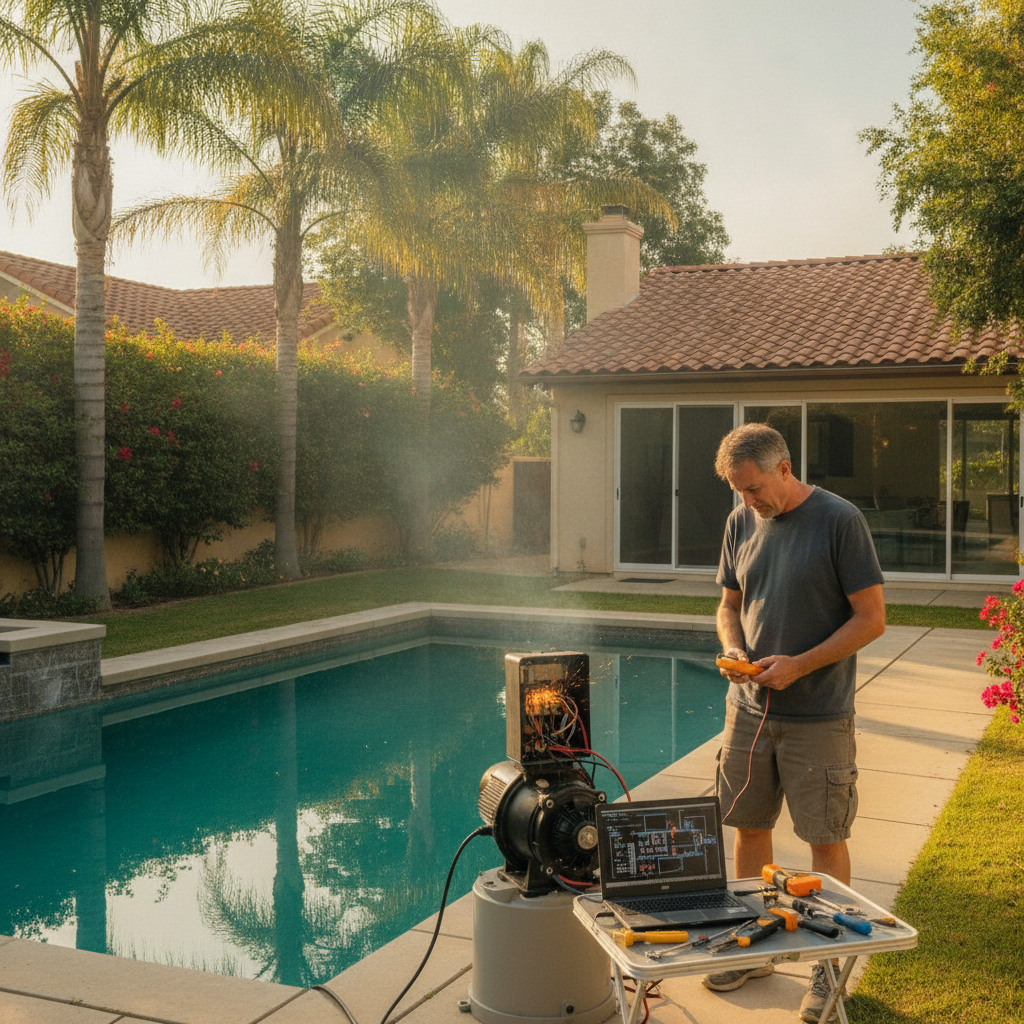
If you own a pool in this community, you know how essential a reliable pool pump is for keeping your water sparkling and inviting. But what happens when electrical issues suddenly bring your pool pump to a halt? Whether you’re a small business owner managing a commercial property or a homeowner who loves their backyard oasis, understanding the ins and outs of pool pump repair in Rancho Margarita CA can save you time, money, and frustration. Electrical problems can range from simple fixes to complex malfunctions that threaten your entire pool system. In this guide, we’ll break down what causes these issues, how to spot them early, and why prompt action is crucial. You’ll also discover practical steps to protect your investment and keep your pool running smoothly all season long.
Understanding the Role of Your Pool Pump’s Electrical System
Your pool pump isn’t just a mechanical device, it relies on a carefully designed electrical system to function efficiently. The pump’s motor, timer, and control panel all depend on a steady flow of electricity. When any part of this system is disrupted, the pump can lose power, run erratically, or stop working altogether. For pool owners in the area, understanding how these components interact is the first step toward effective troubleshooting and prevention.
The main electrical parts of a pool pump setup include:
- The pump motor, which converts electrical energy into mechanical movement
- A timer or automation system, which controls when the pump runs
- A circuit breaker or GFCI outlet for safety
- Wiring and connectors that deliver power
If any of these elements fail, your pool’s circulation and filtration can be compromised. That’s why it’s important to work with experienced professionals like Saddleback Mountain when electrical issues arise. They have the expertise to diagnose and repair electrical faults safely, ensuring your pool remains a healthy and enjoyable space.
Common Electrical Issues That Disrupt Pool Pumps
Electrical problems can manifest in several ways, some obvious and others more subtle. One of the most frequent culprits is a tripped breaker or blown fuse, which can instantly cut power to your pump. Other issues include faulty wiring, loose connections, or moisture intrusion into the control panel. In older pools, worn-out motors or outdated electrical panels can also cause intermittent failures.
Symptoms that point to electrical trouble include:
- The pump won’t start, even when the timer is set correctly
- Frequent breaker trips when the pump turns on
- Unusual noises or vibrations from the motor
- Burning smells or visible sparks near the pump or panel
Ignoring these warning signs can lead to more serious damage, including the risk of fire or permanent pump failure. For a deeper look at the consequences of neglected pool equipment, check out What Happens During a Pool Filter Breakdown? A Rancho Santa Margarita Homeowner’s Guide to Early Warning Signs. Addressing electrical issues promptly is the best way to prevent costly repairs and keep your pool safe.
How Electrical Problems Affect Pool Water Quality
When your pool pump’s electrical system falters, the impact goes far beyond inconvenience. Without proper circulation, water can quickly become stagnant, allowing algae and bacteria to thrive. Chemical treatments lose their effectiveness if the water isn’t moving, leading to cloudy, unsafe swimming conditions. In commercial settings, this can even result in temporary pool closures and lost business.
A malfunctioning pump can also put extra strain on other pool equipment, such as filters and heaters, potentially causing a domino effect of failures. That’s why regular inspection and timely repairs are crucial for maintaining water clarity and safety. For more on how professional maintenance can improve your pool’s performance, see How Professional Filter Deep Cleaning Improves Water Circulation in Rancho Santa Margarita Pools. Protecting your pool’s electrical system is key to ensuring a clean, healthy environment for everyone who enjoys it.
Warning Signs of Electrical Trouble in Pool Pumps
Spotting electrical issues early can make the difference between a simple fix and a major overhaul. Some warning signs are easy to overlook, especially if you’re not familiar with pool equipment. Pay attention to these red flags:
- Sudden loss of power to the pump or timer
- GFCI outlets that won’t reset
- Visible corrosion on wiring or terminals
- Intermittent pump operation or frequent cycling
- Unexplained increases in energy bills
If you notice any of these symptoms, it’s important to act quickly. Electrical faults can escalate rapidly, causing more extensive damage to your pool system or even posing safety risks. Regular visual inspections and listening for unusual sounds can help you catch problems before they escalate. If in doubt, always consult a licensed pool technician or electrician who understands the unique challenges of pool pump repair in Rancho Margarita CA and the surrounding area.
Why DIY Electrical Repairs Can Be Risky
It’s tempting to tackle minor pool pump repairs yourself, especially if you’re handy around the house. However, working with electricity and water is inherently dangerous. Even a small mistake can result in electric shock, fire, or further damage to your pool equipment. Many electrical issues require specialized tools and knowledge to diagnose safely.
Common DIY pitfalls include:
- Incorrectly resetting breakers or GFCI outlets
- Improperly splicing wires or using the wrong connectors
- Failing to identify underlying causes, such as moisture intrusion
- Accidentally voiding equipment warranties
For your safety and the longevity of your pool system, it’s best to leave electrical repairs to qualified professionals. They can ensure all work meets local codes and manufacturer specifications, reducing the risk of repeat failures or hazards down the line.
How Professionals Diagnose Pool Pump Electrical Issues
When you call in a professional for pool pump repair, the process begins with a thorough assessment of your electrical system. Technicians use specialized tools, such as multimeters and circuit testers, to pinpoint the source of the problem. They’ll check for continuity in wires, inspect the control panel for moisture or corrosion, and test the pump motor’s windings for proper resistance.
A typical diagnostic process includes:
- Visual inspection of all electrical components
- Testing the voltage at key points in the circuit
- Checking the integrity of breakers, fuses, and GFCI outlets
- Evaluating the pump motor for overheating or internal shorts
Once the issue is identified, the technician will recommend targeted repairs, such as replacing damaged wires, upgrading outdated panels, or installing new safety devices. This methodical approach ensures your pool pump is restored to full functionality without unnecessary guesswork or risk.
Preventive Maintenance to Avoid Electrical Failures
Preventing electrical issues is always easier and less expensive than fixing them after the fact. Regular maintenance can extend the life of your pool pump and reduce the likelihood of unexpected breakdowns. Key preventive steps include:
- Scheduling annual inspections by a licensed pool technician
- Keeping the pump area dry and free of debris
- Checking for signs of wear or corrosion on wires and terminals
- Testing GFCI outlets monthly to ensure proper function
- Upgrading old or undersized electrical panels as needed
By investing a little time in routine checks, you can catch minor issues before they escalate. This proactive approach not only protects your pool but also helps maintain energy efficiency and water quality throughout the year.
The Impact of Local Climate on Pool Pump Electrical Systems
The region’s warm, dry climate can take a toll on pool equipment, especially electrical components. High temperatures accelerate wear on insulation and connectors, while dust and debris can infiltrate control panels and cause shorts. Occasional rain or irrigation runoff can also introduce moisture, increasing the risk of corrosion and electrical failure.
To mitigate these risks, it’s important to:
- Install weatherproof covers on control panels
- Keep landscaping trimmed to prevent debris buildup
- Ensure proper drainage around the pool equipment pad
By adapting your maintenance routine to local conditions, you can help your pool pump’s electrical system withstand the challenges of this unique climate and continue operating reliably.
Comparing Repair, Replacement, and Upgrade Options
When faced with a malfunctioning pool pump, homeowners and business owners must decide whether to repair, replace, or upgrade their equipment. Each option has its own benefits and considerations, depending on the age of the system, the severity of the issue, and long-term goals.
| Option | When to Consider | Pros | Cons |
|---|---|---|---|
| Repair | Minor electrical faults, newer equipment | Cost-effective, quick turnaround | May not address underlying age-related issues |
| Replacement | Old or severely damaged pumps | Restores reliability, may improve efficiency | Higher upfront cost |
| Upgrade | Desire for better performance or automation | Increased energy savings, advanced features | Requires investment, possible compatibility issues |
Consulting with a pool professional can help you weigh these options and choose the best path forward for your property and budget.
What to Expect During a Professional Repair Visit
If you schedule a service call for electrical issues, knowing what to expect can help you prepare. A typical visit will start with a discussion of the symptoms you’ve noticed, followed by a hands-on inspection of your pool equipment. The technician will test electrical connections, examine the pump motor, and check safety devices like GFCI outlets and breakers.
You may be asked about recent weather events, changes in pool usage, or previous repairs. Once the issue is diagnosed, the technician will explain your options and provide a clear estimate for any recommended work. Most repairs can be completed on the spot, but more complex problems may require ordering parts or scheduling a follow-up visit. Throughout the process, safety and transparency should be top priorities.
Tips for Extending the Life of Your Pool Pump
A well-maintained pool pump can serve you for many years, even in the face of electrical challenges. To maximize the lifespan of your equipment, consider these practical tips:
- Keep the pump and surrounding area clean and dry
- Schedule regular professional inspections
- Avoid overloading electrical circuits with additional devices
- Upgrade to energy-efficient motors and controllers when possible
- Monitor for early signs of trouble, such as strange noises or inconsistent operation
With a proactive approach, you can reduce the risk of unexpected breakdowns and enjoy a reliable, efficient pool system year after year.
Key Takeaways
Electrical issues are among the most disruptive and potentially hazardous problems that can affect your pool pump. For homeowners and business owners in this city, understanding the warning signs, causes, and solutions is essential for protecting your investment and maintaining a safe, enjoyable swimming environment. Remember that prompt attention to electrical faults, combined with regular professional maintenance, is the best way to avoid costly repairs and downtime. By staying informed and working with trusted local experts, you can keep your pool running smoothly and efficiently, no matter what challenges arise.