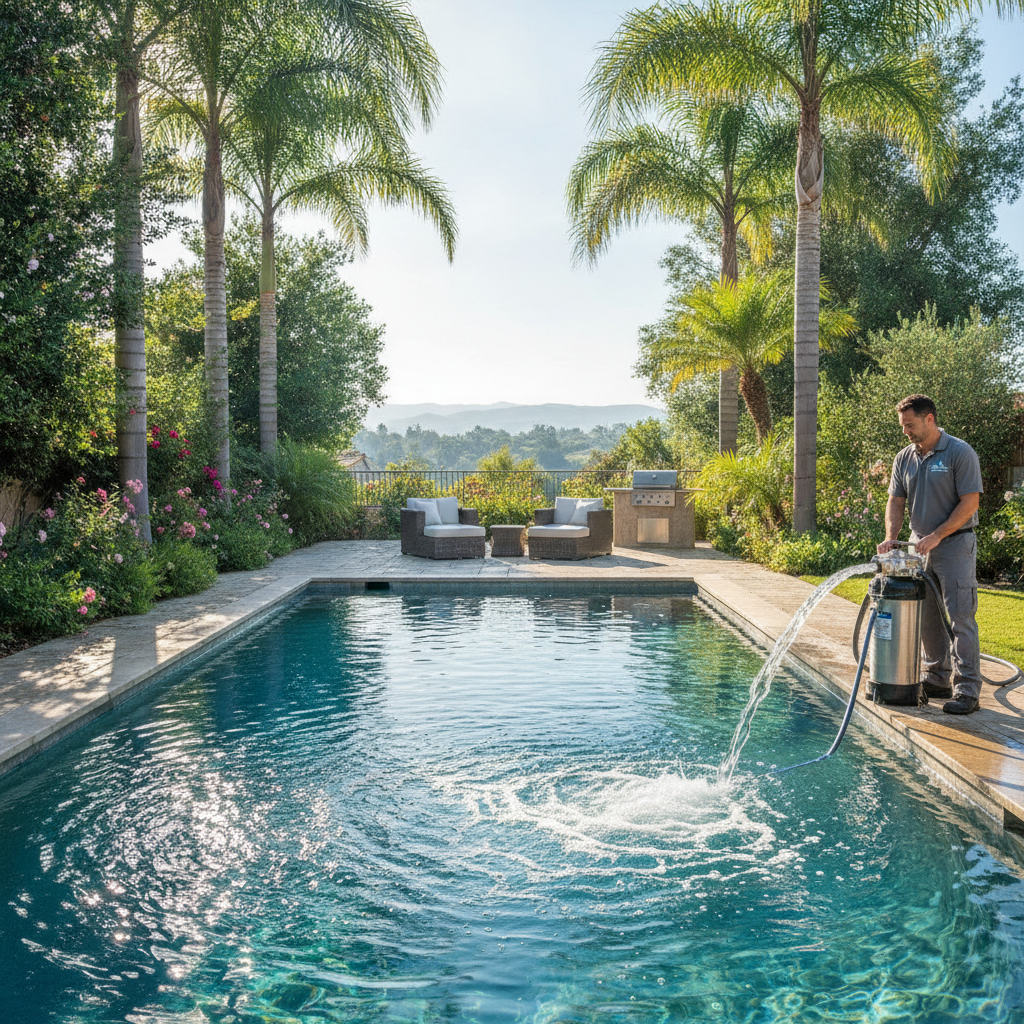
Crystal-clear water and smooth, gentle currents are the hallmarks of a truly healthy swimming pool. For residents and business owners in this community, keeping water circulating efficiently is more than just a matter of comfort, it’s essential for safety, energy savings, and the long-term health of your pool. That’s where a professional Pool Filter Cleaning Service Rancho Margarita CA comes in. While occasional DIY cleaning might keep things running for a while, only a deep, expert-level filter cleaning can truly restore optimal water flow and circulation. In this article, we’ll explore how professional filter deep cleaning transforms pool circulation, why it matters, and what you can expect from a service that goes far beyond the basics. Whether you manage a commercial property, own a small business with a pool, or simply want the best for your backyard oasis, understanding the science and benefits of deep cleaning will help you make smarter choices for your pool’s future.
What Happens When Water Circulation Drops
Water circulation is the lifeblood of any pool. When circulation drops, the effects ripple through every aspect of your pool’s environment. Stagnant water becomes a breeding ground for algae and bacteria, chemical distribution becomes uneven, and debris lingers longer than it should. The result? Cloudy water, increased risk of illness, and a pool that’s simply less inviting. Poor circulation also puts extra stress on pumps and heaters, leading to higher energy costs and more frequent repairs. In the area, where pools are a central feature of many businesses and homes, these issues can quickly escalate from minor annoyances to expensive headaches. Understanding the warning signs of circulation problems, such as weak return jets, visible debris, or hot spots in the water, can help you take action before minor issues turn into major repairs. For many, the first step toward restoring healthy flow is recognizing just how much a neglected filter can drag down the entire system. If you’re unsure whether your pool’s circulation is up to par, consulting with experts like Saddleback Mountain can provide valuable insight and peace of mind.
The Science Behind Filter Deep Cleaning
At the heart of every pool’s circulation system is the filter. Over time, even the most robust filters become clogged with microscopic particles, oils, and minerals that standard cleaning methods can’t remove. Professional deep cleaning goes beyond a simple rinse or backwash. It involves disassembling the filter, soaking components in specialized solutions, and scrubbing away stubborn buildup that restricts water flow. This process restores the filter’s original efficiency, allowing water to move freely and evenly throughout the pool. The difference is immediately noticeable, return jets regain their strength, debris is captured more effectively, and the entire system operates with less strain. Deep cleaning also helps extend the life of your filter, reducing the need for costly replacements. For pool owners in the region, investing in periodic deep cleaning is an investment in both performance and peace of mind. If you’re considering a full equipment upgrade or want to ensure your system is running at peak efficiency, check out Pool Equipment Installation in Irvine, CA: Choosing the Right Pump, Filter, and Heater for Your Backyard for more insights on optimizing your pool’s core systems.
How Deep Cleaning Restores Flow and Energy Efficiency
One of the most immediate benefits of professional filter deep cleaning is the dramatic improvement in water flow. When filters are clogged, pumps must work harder to push water through, leading to higher energy consumption and increased wear and tear. After a thorough deep cleaning, the system operates more smoothly, with water circulating at its intended rate. This not only keeps the pool cleaner but also helps maintain consistent water chemistry. Improved circulation means chemicals are distributed evenly, reducing the risk of algae blooms and cloudy water. Over time, the savings on energy bills and chemical usage can be substantial. Business owners and developers will appreciate the lower operating costs and the extended lifespan of their pool equipment. For those who have noticed rising utility bills or sluggish water movement, addressing the filter is a smart first step. And if you suspect your pump may also be struggling, don’t miss Pool Pump Repair in Irvine, CA: 7 Warning Signs Your Equipment Is Failing to learn more about diagnosing and resolving related issues.
Professional vs. DIY: What Sets Expert Cleaning Apart
While many pool owners attempt to clean their filters themselves, there’s a world of difference between a quick hose-down and a professional deep cleaning. Experts use specialized tools and solutions designed to break down oils, calcium deposits, and organic matter that accumulate over time. They also inspect each component for signs of wear or damage, ensuring that minor issues are addressed before they become costly repairs. In contrast, DIY cleaning often misses hidden buildup or fails to reassemble the filter correctly, which can compromise performance and even void warranties. Professionals follow a step-by-step process that includes disassembly, chemical soaking, thorough rinsing, and careful reassembly. This attention to detail not only restores optimal water flow but also protects your investment in pool equipment. For local businesses and homeowners alike, relying on skilled technicians means less downtime, fewer surprises, and a pool that’s always ready for use. If you’re weighing the pros and cons of hiring a service, consider the long-term benefits of expert care versus the risks of going it alone.
The Impact of Clean Filters on Pool Health and Safety
A clean filter does more than just improve water flow, it’s a critical factor in maintaining a healthy and safe swimming environment. When filters are clogged, bacteria and algae can multiply rapidly, increasing the risk of waterborne illnesses. Proper filtration also removes fine particles that can irritate skin and eyes, making the pool experience more comfortable for everyone. For commercial properties, maintaining high water quality is not just a matter of reputation but also of regulatory compliance. Regular deep cleaning helps ensure that your pool meets health standards and remains a welcoming space for guests and clients. In residential settings, families can enjoy peace of mind knowing that their pool is free from harmful contaminants. The difference is especially noticeable after heavy use or following storms, when debris and organic matter can quickly overwhelm a neglected filter. By prioritizing professional cleaning, pool owners can protect both their investment and the well-being of everyone who enjoys the water.
Signs Your Pool Filter Needs a Deep Cleaning
Recognizing when your pool filter needs professional attention is key to preventing circulation problems. Some common signs include reduced water flow from the return jets, cloudy or murky water, increased chemical usage, and visible debris that lingers despite regular cleaning. You might also notice higher than usual pressure readings on the filter gauge, which indicates that water is struggling to pass through accumulated debris. Unusual noises from the pump or filter system can also signal that it’s time for a deep clean. For business owners, frequent guest complaints about water quality or comfort are a clear red flag. Ignoring these warning signs can lead to more serious issues, including equipment failure and costly repairs. Scheduling regular inspections and cleanings with a trusted pool service provider helps catch problems early and keeps your pool operating at its best. If you’re unsure whether your filter needs attention, a professional assessment can provide clear answers and a tailored maintenance plan.
How Often Should Filters Be Deep Cleaned?
The ideal frequency for deep cleaning your pool filter depends on several factors, including pool usage, surrounding environment, and filter type. Pools that see heavy use, such as those at hotels, gyms, or apartment complexes, may require deep cleaning every few months. Residential pools in the area with moderate use typically benefit from professional cleaning at least twice a year. Environmental factors like nearby construction, landscaping, or frequent storms can also increase the need for more frequent service. Cartridge filters, sand filters, and DE (diatomaceous earth) filters each have unique maintenance requirements, so it’s important to follow manufacturer guidelines and consult with a pool professional for personalized advice. Regular monitoring of water clarity, pressure gauges, and overall system performance will help you determine when it’s time for a thorough cleaning. By staying proactive, you can avoid the pitfalls of neglected maintenance and keep your pool in top shape year-round.
The Deep Cleaning Process: Step by Step
A professional filter deep cleaning involves a series of meticulous steps designed to restore maximum efficiency. First, the technician will turn off the pool system and safely relieve pressure from the filter. Next, the filter is fully disassembled to allow access to all internal components. Each part, whether cartridges, grids, or sand beds, is inspected for damage and thoroughly cleaned using specialized solutions that break down oils, scale, and organic matter. After soaking and scrubbing, the components are rinsed and allowed to dry before being carefully reassembled. The technician will also check for leaks, worn seals, and proper alignment to ensure everything functions as intended. Finally, the system is restarted and tested for optimal flow and pressure. This comprehensive approach not only restores water circulation but also helps identify potential issues before they become major repairs. For pool owners who want peace of mind and lasting results, investing in professional deep cleaning is a smart move.
Comparing Filter Types and Their Cleaning Needs
Not all pool filters are created equal, and each type has its own cleaning requirements. Cartridge filters are popular for their ease of maintenance and efficiency, but they require periodic removal and soaking to remove embedded debris. Sand filters use a bed of fine sand to trap particles, and while they can be backwashed, deep cleaning is necessary to break down oils and minerals that accumulate over time. DE filters offer the finest filtration but are also the most demanding when it comes to maintenance, requiring careful handling of the diatomaceous earth powder and regular grid cleaning. Understanding the strengths and weaknesses of each filter type can help you choose the right maintenance schedule and cleaning techniques for your pool. For businesses and homeowners alike, consulting with a pool professional ensures that your filter receives the care it needs to deliver optimal performance and water clarity.
| Filter Type | Cleaning Method | Recommended Frequency |
|---|---|---|
| Cartridge | Remove and soak in cleaning solution, rinse thoroughly | Every 3-6 months |
| Sand | Backwash, periodic deep cleaning with filter cleaner | Every 6-12 months |
| DE (Diatomaceous Earth) | Backwash, clean grids, recharge DE powder | Every 3-6 months |
Why Businesses and Developers Should Prioritize Filter Care
For small business owners and developers, the condition of a pool can have a direct impact on customer satisfaction and property value. A well-maintained pool with excellent water circulation is a selling point for hotels, apartment complexes, fitness centers, and community spaces. Conversely, a pool plagued by cloudy water, debris, or circulation problems can drive away guests and lead to negative reviews. Regular professional filter cleaning helps ensure that your pool remains an asset rather than a liability. It also reduces the risk of unexpected closures due to health violations or equipment failures. Developers planning new projects can benefit from establishing a proactive maintenance schedule that includes deep cleaning as a core component. By investing in expert care from the outset, you can avoid costly retrofits and keep your properties running smoothly for years to come.
Choosing the Right Pool Filter Cleaning Service in Margarita
Selecting a reliable pool filter cleaning service is crucial to maintaining optimal water circulation and overall pool health. Look for providers with a proven track record, knowledgeable technicians, and a commitment to using industry-approved cleaning methods. Ask about their process, the types of filters they service, and whether they offer customized maintenance plans to suit your needs. Reading reviews and seeking recommendations from other local business owners can help you find a service that delivers consistent results. Transparency in pricing, prompt communication, and a willingness to answer your questions are also important factors. By partnering with a reputable provider, you can rest assured that your pool is in good hands and that circulation issues will be addressed before they become major problems. Remember, the right service is an investment in your property’s value and your peace of mind.
Final Thoughts
Professional filter deep cleaning is a game changer for pool circulation, water quality, and overall system longevity. Whether you manage a commercial property, oversee a development, or simply want the best for your backyard retreat, investing in expert-level cleaning pays dividends in comfort, safety, and cost savings. By understanding the signs of poor circulation, the science behind deep cleaning, and the unique needs of different filter types, you can make informed decisions that keep your pool in peak condition. Don’t let neglected maintenance compromise your investment, choose a trusted pool filter cleaning service and enjoy the benefits of clear, inviting water all year long.