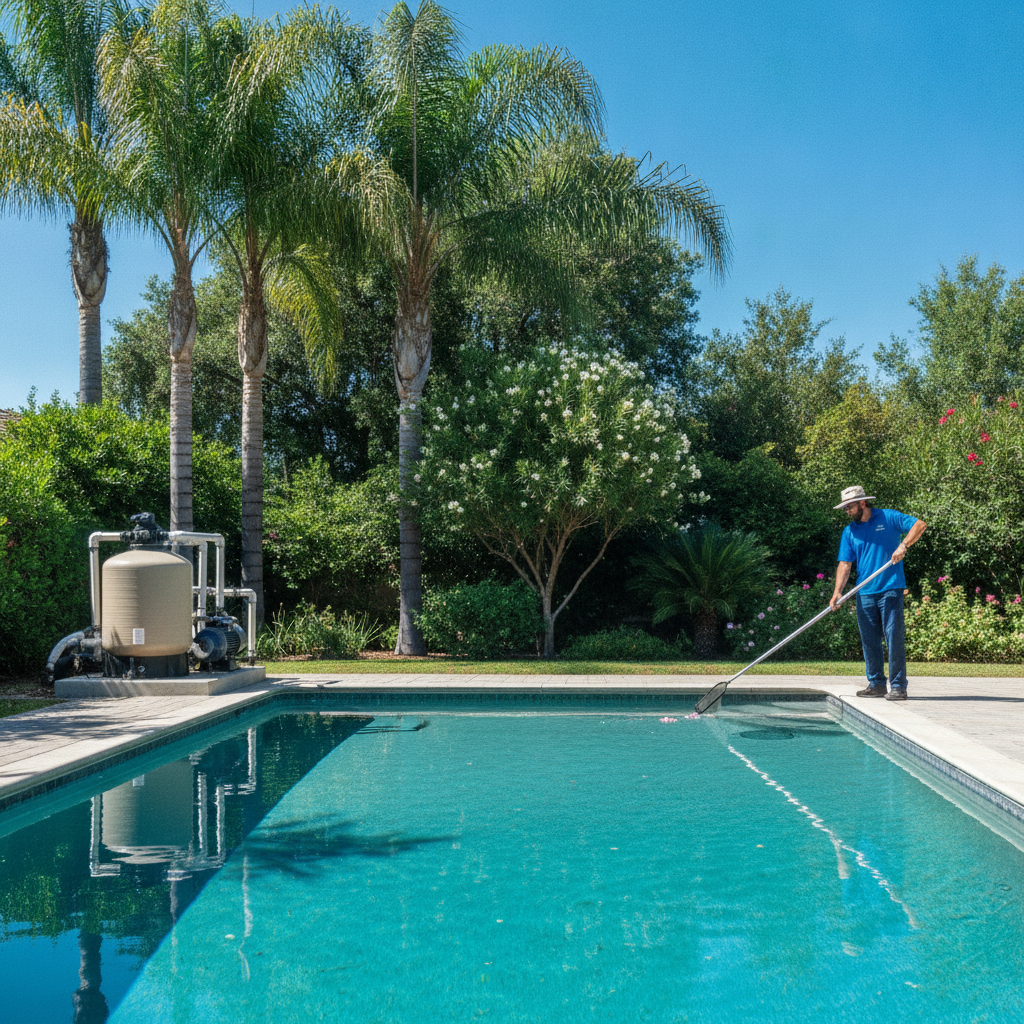
Owning a swimming pool is a source of pride and enjoyment for many in this community, but keeping it in top shape requires more than just skimming leaves or adding chlorine. For small business owners, developers, and general readers alike, understanding the value of a professional Pool Cleaning Service Rancho Margarita CA can make a significant difference in both the appearance of your pool and the longevity of your equipment. Regular cleaning is not just about aesthetics, it’s a proactive strategy that protects pumps, heaters, filters, and other vital pool components from the wear and tear caused by debris, algae, and chemical imbalances. In this article, we’ll explore how routine pool cleaning safeguards your investment, reduces costly repairs, and ensures your backyard oasis remains inviting all year round. Whether you’re managing a commercial property or simply want to enjoy your home pool with fewer headaches, these insights will help you make informed choices for a healthier, longer-lasting pool.
Why Cleanliness Is the First Line of Defense for Pool Equipment
When it comes to pool maintenance, cleanliness is more than a matter of pride, it’s a crucial factor in extending the lifespan of your pool equipment. Debris, leaves, and dirt that accumulate in your pool don’t just cloud the water; they also infiltrate the mechanical components, causing premature wear and tear. Pumps and filters are particularly vulnerable, as they are designed to move and clean water, not handle solid waste. If left unchecked, even small particles can clog impellers, reduce water flow, and force motors to work harder than necessary. This increased strain can lead to overheating, breakdowns, and expensive repairs.
Algae growth is another hidden threat. When pools aren’t cleaned regularly, algae can take hold, forming slippery surfaces and creating an environment where bacteria thrive. These microorganisms not only affect water quality but can also corrode metal components and damage seals and gaskets within your pool equipment. By maintaining a strict cleaning schedule, you prevent these issues before they start, ensuring that your system runs efficiently and reliably.
For those who want to protect their investment, partnering with a trusted local expert like Saddleback Mountain ensures that cleanliness is never overlooked, and your equipment is always operating at its best.
The Impact of Debris and Organic Matter on Pumps and Heaters
Debris and organic matter are more than just unsightly, they are active agents of damage for your pool’s pumps and heaters. When leaves, twigs, pollen, and insects enter your pool, they often find their way into skimmer baskets and pump strainer baskets. If these are not emptied regularly, blockages can occur, restricting water flow and causing pumps to run dry or overheat. This not only reduces the efficiency of water circulation but can also burn out pump motors, leading to costly replacements.
Heaters are equally at risk. Organic matter that passes through the filtration system can accumulate inside heater coils, creating a layer of insulation that prevents efficient heat transfer. Over time, this buildup forces the heater to work harder, increasing energy consumption and accelerating wear. In some cases, trapped debris can even cause corrosion or scaling inside the heater, shortening its lifespan and requiring expensive repairs or replacements.
Regular, thorough cleaning prevents these issues by removing debris before it can reach sensitive equipment. For those considering upgrades, Smart Pool Equipment Upgrades for Rancho Santa Margarita Homes: Automation, Efficiency, and Control can further streamline maintenance and protect your investment.
How Chemical Imbalances Affect Pool Equipment Longevity
Chemical balance is the unsung hero of pool equipment health. When chlorine, pH, alkalinity, and calcium hardness are out of range, the effects go far beyond water clarity. High chlorine levels or low pH can create a corrosive environment that eats away at metal components, including pump seals, heater elements, and filter housings. Conversely, high pH or calcium hardness can lead to scale formation, which coats pipes and heater coils, reducing efficiency and increasing the risk of equipment failure.
Unbalanced water chemistry can also degrade rubber and plastic parts, causing seals and gaskets to become brittle and leak. Over time, these small leaks can lead to significant water loss and damage to the surrounding area. Regular pool cleaning services include testing and adjusting chemical levels, ensuring that your equipment operates in an environment that maximizes its lifespan.
For those interested in learning more about equipment choices and installation, Pool Equipment Installation in Irvine, CA: Choosing the Right Pump, Filter, and Heater for Your Backyard offers valuable insights into selecting components that can withstand local water conditions.
Preventing Clogs and Flow Restrictions Through Routine Maintenance
One of the most common causes of pool equipment failure is restricted water flow, often due to clogs in the filtration system or plumbing lines. Even small amounts of debris can accumulate over time, leading to blockages that force pumps and filters to work harder than necessary. This extra strain not only reduces the efficiency of your system but also increases the likelihood of breakdowns and costly repairs.
Routine pool cleaning includes skimming the surface, vacuuming the pool floor, and brushing the walls to remove debris before it enters the filtration system. Emptying skimmer and pump baskets, backwashing filters, and inspecting plumbing lines are all essential steps in maintaining optimal water flow. By addressing these tasks regularly, you can prevent the gradual buildup that leads to major equipment failures.
For business owners and residents alike, investing in regular maintenance is a cost-effective way to avoid unexpected downtime and extend the life of your pool equipment. A proactive approach to cleaning ensures that water moves freely through your system, keeping pumps, heaters, and filters running smoothly for years to come.
The Role of Professional Cleaning in Detecting Early Equipment Issues
While routine cleaning is essential, the trained eye of a professional can spot early signs of equipment trouble that might go unnoticed by the average pool owner. During a professional cleaning visit, technicians inspect pumps, filters, heaters, and plumbing for signs of leaks, corrosion, unusual noise, or vibration. Early detection of these issues allows for timely repairs, preventing minor problems from escalating into major failures.
Professionals also monitor water pressure and flow rates, which can indicate underlying issues such as clogs or failing components. By catching these warning signs early, you can address them before they cause significant damage or require expensive replacements. Regular professional inspections are especially valuable for commercial properties, where equipment downtime can disrupt business operations and lead to dissatisfied customers.
In addition to equipment checks, professional cleaning services often include detailed reports and maintenance recommendations, giving you a clear understanding of your pool’s health and helping you plan for future upgrades or repairs. This proactive approach is key to maximizing the lifespan and reliability of your pool equipment.
How Regular Cleaning Reduces Energy Consumption and Costs
Energy efficiency is a top priority for many pool owners, and regular cleaning plays a direct role in reducing energy consumption. When pumps and filters are free from debris and blockages, they operate more efficiently, using less electricity to circulate and clean the water. Clean heater coils transfer heat more effectively, shortening run times and lowering utility bills.
Conversely, dirty or clogged equipment must work harder to achieve the same results, consuming more energy and increasing wear. This not only raises your monthly costs but also shortens the lifespan of your equipment, leading to more frequent replacements. By maintaining a clean pool, you create optimal conditions for all components to function at their best, saving money in both the short and long term.
For small businesses and developers, these savings can add up quickly, making regular pool cleaning a smart investment that pays dividends over time. Efficient equipment also means a lower environmental impact, aligning with sustainability goals and community standards.
Comparing DIY Pool Care to Professional Services
Many pool owners are tempted to handle cleaning themselves, but there are important differences between DIY maintenance and professional service. While skimming, vacuuming, and basic chemical testing are within reach for most, professionals bring specialized equipment and expertise that ensure a deeper, more thorough clean. They can access hard-to-reach areas, use commercial-grade vacuums, and apply advanced water testing methods that go beyond standard kits.
Professionals are also trained to recognize subtle signs of equipment wear, chemical imbalances, and emerging issues that might escape the notice of even diligent DIYers. Their experience allows them to recommend targeted solutions, such as adjusting pump run times, optimizing filter cycles, or suggesting upgrades that improve efficiency and reliability.
For busy property owners and managers, outsourcing pool cleaning saves time and provides peace of mind. While DIY care can supplement professional visits, relying solely on self-maintenance often leads to missed problems and higher long-term costs. A balanced approach, combining regular professional service with occasional owner checks, delivers the best results for equipment protection and pool enjoyment.
Seasonal Pool Cleaning Strategies for Optimal Equipment Health
Each season brings unique challenges for pool maintenance, and adjusting your cleaning strategy accordingly is key to protecting your equipment year-round. In spring, increased pollen and plant debris can overwhelm skimmers and filters, requiring more frequent cleaning and monitoring. Summer’s high temperatures and heavy pool usage often lead to faster algae growth and greater chemical demand, making regular testing and brushing essential.
Autumn introduces falling leaves and organic matter, which can quickly clog baskets and create blockages in plumbing lines. Winter, even in mild climates, can bring rain and wind that deposit dirt and debris into the pool. During the off-season, periodic cleaning and equipment checks prevent buildup and ensure that your system is ready for the next swim season.
By tailoring your cleaning schedule to the seasons, you can address specific risks and keep your equipment running smoothly. Professional services often offer seasonal packages that include deep cleans, chemical balancing, and equipment inspections, providing comprehensive protection no matter the time of year.
A Table of Pool Equipment Threats and Preventive Cleaning Actions
| Threat | Equipment at Risk | Preventive Cleaning Action |
|---|---|---|
| Debris Build-Up | Pumps, Filters | Skim surface, empty baskets, vacuum pool |
| Algae Growth | Heaters, Pipes | Brush walls, shock pool, maintain chlorine |
| Chemical Imbalance | All Equipment | Test and adjust water chemistry regularly |
| Scale Formation | Heaters, Pipes | Monitor calcium hardness, use scale inhibitors |
| Clogs and Blockages | Pumps, Filters, Plumbing | Backwash filters, inspect lines, remove debris |
This table summarizes the most common threats to pool equipment and the cleaning actions that help prevent them. By staying proactive, you can avoid many of the pitfalls that lead to expensive repairs and downtime.
The Value of Scheduled Cleaning for Commercial and Residential Pools
Whether you manage a commercial property or a private residence, scheduled pool cleaning delivers consistent protection for your equipment. For businesses, regular maintenance ensures that pools remain open, safe, and inviting for guests, minimizing the risk of unexpected closures due to equipment failure. For homeowners, it means peace of mind and more time to enjoy the pool with family and friends.
Scheduled cleaning services are tailored to the unique needs of each property, taking into account pool size, usage patterns, and local environmental factors. By establishing a routine, you can catch minor issues before they escalate, keep water chemistry balanced, and maintain optimal equipment performance. Many service providers offer flexible plans, allowing you to choose the frequency and scope of visits that best fit your needs and budget.
Investing in scheduled cleaning is a smart choice for anyone who values the longevity and reliability of their pool equipment. It’s a proactive approach that pays off in reduced repair costs, lower energy bills, and a consistently enjoyable swimming experience.
Final Thoughts
Regular pool cleaning is about so much more than keeping water clear, it’s a critical investment in the health and longevity of your pool equipment. By removing debris, maintaining chemical balance, and catching potential issues early, you protect pumps, heaters, filters, and plumbing from unnecessary wear and costly breakdowns. Whether you’re a homeowner, business owner, or developer, partnering with a professional pool cleaning service ensures that your pool remains a source of enjoyment and value for years to come. Take a proactive approach to maintenance, and your pool equipment will reward you with reliable performance, lower costs, and peace of mind throughout every season.