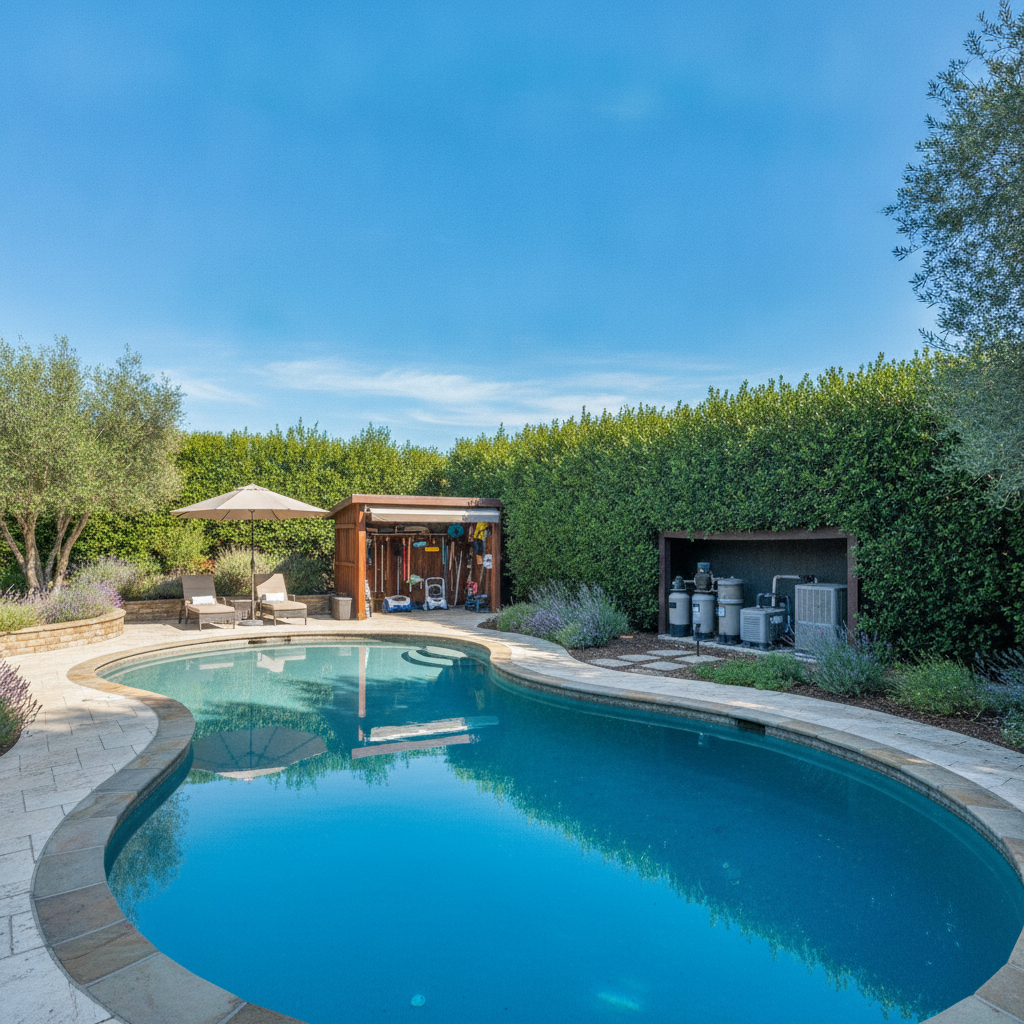
For homeowners, small business owners, and developers in the area, the joy of pool ownership often comes with a few hidden challenges. Where should you place your pool equipment for optimal performance? How do you keep noise from pumps and filters from disturbing your backyard oasis or your neighbors? And what can you do to make maintenance as easy and stress-free as possible? Whether you’re building a new pool or looking to upgrade an existing setup, the right approach to pool equipment installation Rancho Margarita CA can make all the difference. This guide explores the best practices for equipment placement, noise reduction, and maintenance, with practical advice tailored for our local climate, regulations, and lifestyle. Dive in to discover how smart planning can help you enjoy a quieter, cleaner, and more reliable pool all year long.
Smart Pool Equipment Placement Strategies
The placement of your pool equipment is more than just a matter of convenience, it’s a critical factor that affects noise, efficiency, safety, and even the longevity of your investment. When planning pool equipment installation in Rancho Margarita CA, it’s important to consider several key aspects:
- Distance from the pool: Ideally, equipment should be close enough for efficient plumbing but far enough to minimize noise and vibration near living spaces.
- Access for maintenance: Leave enough space around pumps, filters, and heaters for easy servicing and repairs.
- Local codes and HOA rules: Many neighborhoods have regulations about setbacks, fencing, and visibility of pool equipment.
- Drainage and flood risk: Equipment should be placed on a level, well-drained pad to prevent water damage during heavy rains.
- Sun and shade: Direct sunlight can cause equipment to overheat, while too much shade may encourage mold and rust.
Thoughtful placement also means considering your property’s unique layout. For example, corner lots may offer more privacy for equipment pads, while sloped yards require careful planning to avoid water runoff issues. Consulting with local pool professionals, such as Saddleback Mountain, can help you design a setup that balances performance, aesthetics, and compliance with local guidelines.
Reducing Pool Equipment Noise for a Peaceful Backyard
Few things disrupt a relaxing swim or backyard gathering like the persistent hum or rattle of pool equipment. Noise can be a particular concern in tightly spaced neighborhoods or for homeowners who value tranquility. Fortunately, there are proven strategies to minimize sound levels from pumps, filters, and heaters:
- Use sound-dampening enclosures: Specially designed boxes or walls can absorb and deflect noise away from your home and neighbors.
- Install vibration pads: Placing rubber or composite pads under pumps and motors helps reduce vibration transfer to concrete pads and nearby structures.
- Choose quieter equipment: Modern variable-speed pumps and newer filter designs often operate at lower decibel levels than older models.
- Strategic landscaping: Dense shrubs or fencing can act as natural sound barriers, blending function with beauty.
- Regular maintenance: Well-maintained equipment runs more quietly and efficiently, reducing the risk of noisy malfunctions.
If you’re unsure which noise-reduction method is best for your setup, check out resources like Cartridge, Sand, or DE: Which Pool Filter Cleaning Approach Works Best for Rancho Santa Margarita Homes? for insights on how equipment type and maintenance routines can impact sound levels. Remember, a quiet pool area not only improves your enjoyment but also helps maintain good relations with neighbors.
Designing for Effortless Pool Maintenance
Easy maintenance starts with smart design. When planning your pool equipment layout, think beyond initial installation to the years of upkeep ahead. Here are some ways to make maintenance as hassle-free as possible:
- Clear access paths: Avoid crowding equipment against walls or fences. Leave at least 3 feet of clearance for technicians and homeowners to reach valves, lids, and connections.
- Logical plumbing layout: Group related components together (such as pump, filter, and heater) in a sequence that matches the water flow. This makes troubleshooting and repairs much simpler.
- Labeling: Clearly mark pipes, valves, and timers. This helps anyone performing maintenance, whether a professional or a DIYer, quickly identify the right controls.
- Upgrade to automation: Automated systems can handle routine tasks like pump scheduling, chemical dosing, and filter backwashing, reducing manual labor and error risk.
- Weather protection: Use covers or shade structures to shield sensitive electronics and controls from sun and rain, extending their lifespan and reliability.
Routine checks are key to preventing breakdowns. If you notice changes in pump noise, water flow, or filter pressure, don’t ignore them. For a deeper dive into early warning signs, see Is Your Pool Pump Motor Failing? Warning Signs Rancho Santa Margarita Homeowners Shouldn’t Ignore. Proactive maintenance not only saves time and money but also keeps your pool sparkling and safe for everyone to enjoy.
Understanding Local Codes and HOA Guidelines
Before breaking ground on any pool equipment installation, it’s crucial to understand the local codes and homeowners association (HOA) guidelines that apply in this community. Many neighborhoods have specific requirements for how and where pool equipment can be installed, including:
- Minimum setbacks from property lines
- Fencing or screening requirements for visibility and safety
- Noise ordinances that limit sound levels during certain hours
- Permitting processes for new installations or major upgrades
Failing to comply with these rules can result in costly fines, forced relocations, or even legal disputes. Always check with your local building department and HOA board before starting any project. Working with a knowledgeable pool contractor ensures your installation meets all requirements and avoids unpleasant surprises down the road.
Maximizing Energy Efficiency in Pool Equipment Layout
Energy efficiency isn’t just about choosing the right pump or filter, it’s also about how your equipment is installed and configured. A well-planned layout minimizes energy waste, reduces utility bills, and extends the life of your system. Consider these tips for maximizing efficiency:
- Short, direct plumbing runs: The less distance water has to travel, the less energy your pump will use.
- Properly sized pipes: Oversized or undersized pipes can cause pressure imbalances and inefficiency.
- Variable-speed pumps: These allow you to adjust flow rates for different tasks, saving energy during filtration cycles.
- Automated controls: Timers and smart systems help avoid unnecessary run times, especially during off-peak hours.
- Regular cleaning: Clean filters and baskets reduce strain on pumps and improve overall performance.
By integrating efficiency into your equipment placement and design, you’ll enjoy lower operating costs and a more sustainable pool for years to come.
Choosing Equipment Enclosures That Blend with Your Landscape
Aesthetics matter, especially when pool equipment is visible from your patio or living spaces. The right enclosure not only hides pumps and filters but can also contribute to noise reduction and protection from the elements. Here are some popular enclosure styles:
- Wooden fences or screens: Custom-built to match your home’s exterior or garden design.
- Masonry walls: Durable and highly effective at blocking both sight and sound.
- Prefabricated vinyl or composite boxes: Quick to install and low-maintenance.
- Plant screens: Tall shrubs or hedges can provide natural camouflage and cooling shade.
When selecting an enclosure, ensure it allows for proper ventilation and easy access for maintenance. Avoid fully sealing equipment, as this can cause overheating and void manufacturer warranties. With thoughtful design, your equipment area can become an attractive feature rather than an eyesore.
Comparing Common Pool Equipment Pad Materials
The foundation for your pool equipment is just as important as the equipment itself. A sturdy, well-drained pad prevents settling, reduces vibration, and protects against water damage. Here’s a comparison of the most common materials used for equipment pads in the region:
| Material | Pros | Cons |
|---|---|---|
| Concrete | Durable, stable, easy to clean | Can crack if not properly installed, higher cost |
| Paver Stones | Attractive, customizable, good drainage | May shift over time, requires leveling |
| Composite Pads | Lightweight, easy to install, resists rot | Less sturdy for heavy equipment, can warp in extreme heat |
| Gravel Base | Excellent drainage, inexpensive | Not suitable for all equipment types, less stable |
Choose a pad material that fits your budget, climate, and equipment weight. Proper installation is key to long-term performance and minimal maintenance headaches.
Seasonal Considerations for Pool Equipment in the Area
While the region enjoys a generally mild climate, seasonal changes can still impact your pool equipment’s performance and maintenance needs. Here’s what to keep in mind throughout the year:
- Spring: Inspect for winter debris, check for leaks or rodent damage, and clean filters thoroughly before swim season begins.
- Summer: Monitor water chemistry and equipment run times, as higher temperatures and increased use can strain systems.
- Fall: Clear falling leaves from skimmers and equipment pads, and prepare for shorter filter cycles as temperatures drop.
- Winter: Even if you don’t close your pool, reduce run times and protect exposed equipment from occasional cold snaps or heavy rain.
Adapting your maintenance routine to the seasons helps prevent unexpected breakdowns and keeps your pool ready for enjoyment year-round.
Safety First: Protecting Children and Pets Around Pool Equipment
Safety is paramount wherever pool equipment is installed. Pumps, heaters, and electrical panels can pose risks to curious children and pets. To create a secure environment:
- Install locking gates or latches on enclosures to prevent unauthorized access.
- Keep electrical panels locked and clearly labeled with emergency shut-off instructions.
- Use tamper-resistant fasteners on equipment covers and access panels.
- Educate family members and staff about the dangers of touching pool equipment while it’s running.
- Regularly inspect for exposed wires, loose fittings, or sharp edges that could cause injury.
By prioritizing safety in your equipment layout and maintenance, you protect not only your loved ones but also your investment in the pool itself.
Troubleshooting Common Pool Equipment Issues
Even with the best planning and maintenance, pool equipment can sometimes develop problems. Knowing how to spot and address common issues can prevent minor annoyances from becoming major repairs. Watch for:
- Unusual noises or vibrations: May indicate worn bearings, loose mounts, or debris in the pump.
- Reduced water flow: Often caused by clogged baskets, dirty filters, or air leaks in the suction line.
- Leaking water: Check for cracked housings, worn gaskets, or loose fittings.
- Electrical issues: Tripped breakers or flickering lights can signal wiring problems or motor overloads.
Addressing these issues promptly keeps your pool running smoothly and extends the lifespan of your equipment. When in doubt, consult a local pool professional for expert troubleshooting and repairs.
Final Thoughts
Thoughtful pool equipment placement, effective noise reduction, and easy maintenance are the keys to a stress-free, enjoyable pool experience in this community. By considering local codes, climate, and your property’s unique needs, you can design a setup that delivers years of reliable performance with minimal hassle. Whether you’re a homeowner, business owner, or developer, investing time in planning and professional installation pays off in comfort, safety, and peace of mind. Remember, the right approach today means fewer headaches tomorrow, and more time enjoying your beautiful pool.