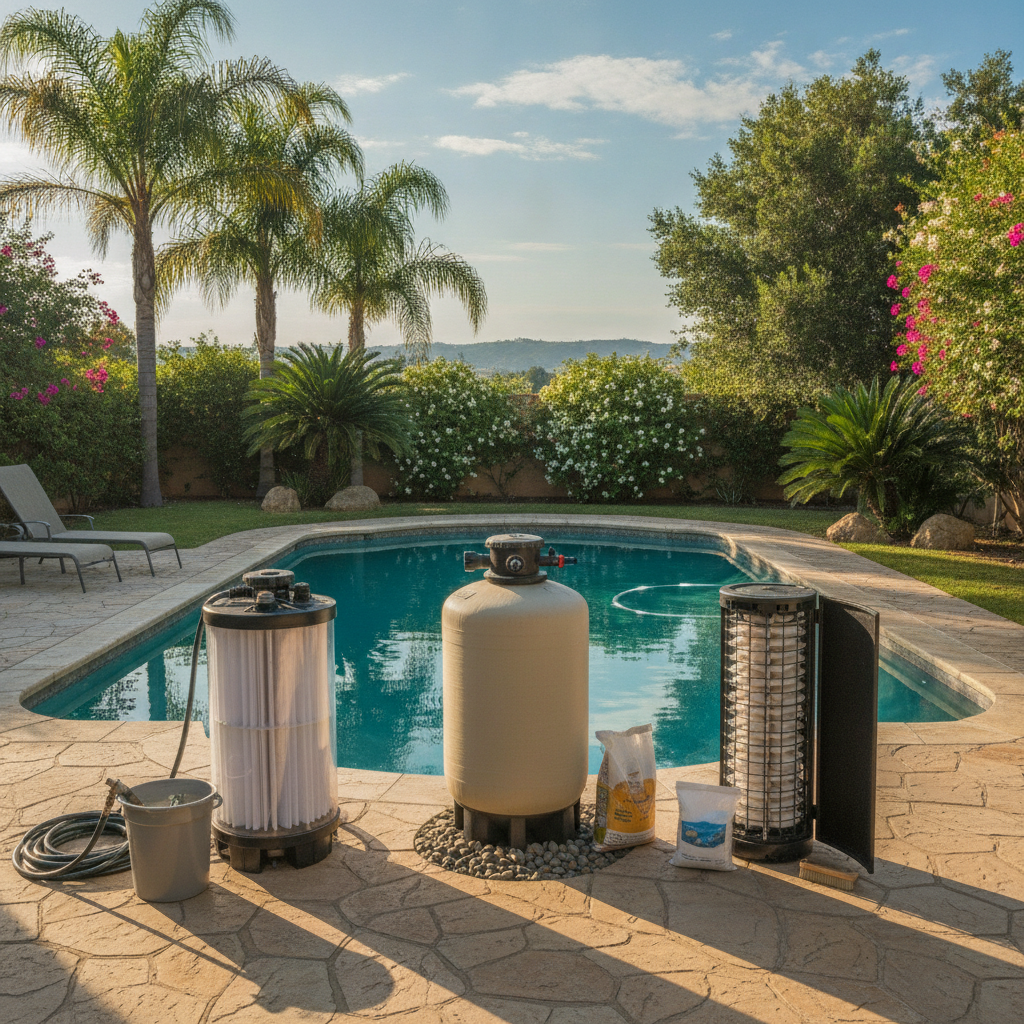
If you own a pool in this community, you already know how vital a reliable pool filter is for crystal-clear water and a safe swimming environment. Choosing the right pool filter cleaning approach can make a huge difference in your pool’s health, longevity, and maintenance costs. Whether you’re a small business owner managing a commercial pool, a developer overseeing multiple properties, or a local resident who wants the best for your backyard oasis, understanding your options is key. With so many choices, cartridge, sand, or DE filters, how do you know which cleaning method is most effective for your needs? In this guide, we’ll explore the pros, cons, and best practices for each filter type, as well as what to expect from a professional pool filter cleaning service Rancho Margarita CA homeowners trust. You’ll learn how to maximize your filter’s performance, avoid common pitfalls, and keep your pool sparkling all year round.
Understanding Pool Filter Types and How They Work
Before diving into cleaning techniques, it’s crucial to understand the three main types of pool filters: cartridge, sand, and diatomaceous earth (DE). Each filter type uses a different method to trap debris and contaminants, and each requires a unique cleaning approach.
Cartridge filters use pleated fabric cartridges to capture dirt and particles as water passes through. These filters are known for their efficiency and ease of maintenance. Sand filters, on the other hand, use a bed of specially graded sand to filter out impurities. Water is pushed through the sand, which traps particles before returning clean water to the pool. DE filters use a fine powder made from fossilized diatoms, coating a grid inside the filter tank. This powder acts as an ultra-fine filter, capturing even the smallest debris.
Choosing the right filter depends on your pool’s size, usage, and the type of debris common in the area. Each filter has its own strengths and weaknesses, and understanding these will help you make informed decisions about cleaning and maintenance. For a more in-depth look at pool systems and expert advice, check out Saddleback Mountain.
Cartridge Filter Cleaning: Steps, Benefits, and Common Mistakes
Cartridge filters are a popular choice for many local pools due to their excellent filtration and straightforward maintenance. Cleaning a cartridge filter involves removing the cartridge from its housing, rinsing it with a garden hose to dislodge dirt and debris, and occasionally soaking it in a filter cleaner solution to break down oils and minerals. This process is relatively simple and can often be done by homeowners, though professional cleaning ensures a deeper, more thorough result.
The benefits of cartridge filters include higher filtration efficiency, less water waste compared to backwashing, and a compact design that fits most pool setups. However, common mistakes can reduce their lifespan and effectiveness. These include using high-pressure washers (which can damage the pleats), not cleaning frequently enough, or failing to replace worn-out cartridges. It’s important to follow the manufacturer’s cleaning schedule and inspect cartridges for signs of wear, such as tears or collapsed pleats.
Regular maintenance helps prevent clogs and keeps water flowing smoothly. If you’re unsure about the signs of filter trouble, see What Happens During a Pool Filter Breakdown? A Rancho Santa Margarita Homeowner’s Guide to Early Warning Signs for detailed guidance.
Sand Filter Cleaning: Backwashing, Deep Cleaning, and When to Replace
Sand filters are valued for their durability and relatively low maintenance. Cleaning a sand filter typically involves backwashing, a process where water flows in reverse through the filter to flush out trapped debris and contaminants. Backwashing is quick and effective, but it does use a significant amount of water. Over time, the sand itself can become compacted or coated with oils and minerals, reducing its filtering ability. When this happens, a deep cleaning with a specialized filter cleaner or even a complete sand change may be necessary.
Knowing when to replace the sand is important. Most sand filters require new sand every five to seven years, depending on usage and water quality. Signs that your sand needs replacing include cloudy water, increased pressure readings, or persistent algae blooms despite regular maintenance. Deep cleaning extends the life of the sand and improves filtration, but eventually, replacement is inevitable.
Sand filter maintenance is generally manageable, but neglect can lead to pump strain and system breakdowns. If you suspect your pool pump is struggling, read Is Your Pool Pump Motor Failing? Warning Signs Rancho Santa Margarita Homeowners Shouldn’t Ignore to spot issues early.
DE Filter Cleaning: Precision, Performance, and Safety Considerations
Diatomaceous earth (DE) filters are renowned for their superior filtration, capturing particles as small as 2-5 microns. Cleaning a DE filter involves backwashing, similar to sand filters, but with an added step: after backwashing, fresh DE powder must be added to the filter grids. Periodically, a more thorough cleaning is required, which means disassembling the filter, removing the grids, washing them, and inspecting for damage or wear.
DE powder is a fine, silica-based material, so safety precautions are necessary during handling. Always wear a mask and gloves to avoid inhaling the powder. Dispose of used DE properly, as it can impact local drainage systems if not handled correctly. DE filters offer unmatched water clarity but require more attention and technical know-how than cartridge or sand filters.
For busy pool owners or those managing commercial properties, professional cleaning is often the safest and most effective option. Technicians are trained to handle DE safely and can spot issues before they become costly repairs. Regular maintenance ensures the filter operates at peak performance, keeping water sparkling and safe for swimmers.
Comparing Filter Cleaning Methods: Efficiency, Cost, and Water Quality
When evaluating which pool filter cleaning approach is best, it helps to compare the efficiency, cost, and impact on water quality of each method. Cartridge filters are efficient and minimize water waste, but require periodic replacement. Sand filters are cost-effective and durable, though they use more water during backwashing. DE filters deliver the highest water clarity but involve more complex maintenance and safety considerations.
Here’s a comparison table to help visualize the differences:
| Filter Type | Cleaning Method | Water Efficiency | Maintenance Cost | Water Clarity |
|---|---|---|---|---|
| Cartridge | Rinse and soak | High | Moderate | Very good |
| Sand | Backwash, deep clean | Moderate | Low | Good |
| DE | Backwash, re-coat, deep clean | Moderate | High | Excellent |
This comparison can help you weigh the trade-offs based on your priorities. If water conservation is a top concern, cartridge filters may be the best fit. For those seeking the ultimate in water clarity, DE filters are hard to beat, though they come with higher maintenance demands.
Signs Your Filter Needs Immediate Attention
Regardless of filter type, certain warning signs indicate your filter needs cleaning or repair. Cloudy water, reduced water flow, increased pressure readings, and visible debris returning to the pool are all red flags. For cartridge filters, check for collapsed or torn pleats. Sand filters may show signs of channeling, where water cuts paths through the sand, reducing effectiveness. DE filters can develop torn grids or lose powder, leading to poor filtration.
Ignoring these signs can lead to bigger problems, including pump strain, higher energy costs, and even equipment failure. Regular inspections and prompt cleaning keep your system running efficiently and prevent costly repairs down the line. If you’re unsure about your filter’s condition, consider scheduling a professional inspection for peace of mind.
How Local Conditions Influence Filter Cleaning Frequency
The climate and environment in the area play a significant role in how often you need to clean your pool filter. High winds, dust, pollen, and heavy pool usage all contribute to faster filter clogging. Pools surrounded by trees or landscaping may require more frequent cleaning due to falling leaves and organic debris. Business owners and property managers should also consider the impact of higher swimmer loads, which introduce more oils, sunscreen, and contaminants into the water.
During peak swim season, filters may need cleaning every few weeks, while off-season maintenance can be less frequent. Monitoring pressure gauges and water clarity helps determine the ideal cleaning schedule for your specific pool. Adapting your maintenance routine to local conditions ensures optimal performance and extends the life of your filter.
DIY Versus Professional Pool Filter Cleaning Service Rancho Margarita CA
Many pool owners wonder whether to tackle filter cleaning themselves or hire a professional. DIY cleaning is feasible for cartridge and sand filters, provided you follow manufacturer guidelines and use the right tools. However, professional services offer several advantages: they have specialized equipment, can perform deep cleaning, and are trained to spot early signs of wear or malfunction.
For DE filters, professional cleaning is often recommended due to the complexity and safety considerations involved. Technicians can also assess the entire filtration system, ensuring all components are functioning properly. This proactive approach can prevent breakdowns, extend equipment life, and save money in the long run. If you’re managing a commercial or multi-unit property, professional cleaning is usually the most reliable and efficient choice.
Ultimately, the decision comes down to your comfort level, available time, and the specific needs of your pool. Routine professional service can be a smart investment for busy homeowners and business owners alike.
Extending Filter Life: Preventive Strategies and Best Practices
Extending the life of your pool filter starts with regular maintenance and smart pool management. Skimming debris daily, brushing pool walls, and maintaining proper water chemistry all reduce the load on your filter. Avoid overloading the pool with swimmers or introducing excessive oils and lotions, as these can quickly clog filters. For cartridge filters, rinse and soak as recommended, and replace cartridges when they show signs of wear. Sand filters benefit from timely backwashing and periodic deep cleaning, while DE filters require careful re-coating and occasional grid inspection.
Investing in a pool cover during off-season or windy days can also minimize debris and extend filter intervals. Keep an eye on pressure gauges and water clarity to catch issues early. By following these best practices, you’ll enjoy cleaner water, lower maintenance costs, and a longer-lasting filtration system.
Troubleshooting Common Filter Cleaning Challenges
Even with diligent care, pool filters can encounter problems. Stubborn algae, scale buildup, or persistent cloudiness may indicate underlying issues such as imbalanced water chemistry or worn filter media. For cartridge filters, inspect for collapsed pleats or end caps. Sand filters may develop channeling or require sand replacement if cleaning is no longer effective. DE filters can suffer from torn grids or improper powder coating.
If you encounter recurring issues, it may be time to consult a professional. They can perform a comprehensive system check, test water chemistry, and recommend targeted solutions. Addressing problems promptly prevents bigger headaches and ensures your pool stays inviting and safe for swimmers.
Final Thoughts
Choosing the best pool filter cleaning approach for your home or business in this region depends on your filter type, local conditions, and maintenance preferences. Cartridge, sand, and DE filters each offer unique advantages and challenges, but all require regular attention to perform at their best. Whether you opt for DIY care or a professional pool filter cleaning service Rancho Margarita CA residents recommend, staying proactive with maintenance will keep your water sparkling, your equipment running smoothly, and your pool ready for enjoyment year-round. By understanding your options and adapting your routine to your pool’s needs, you’ll enjoy peace of mind and a healthier swimming environment for years to come.