If you own a pool in the area, you know just how important it is to keep your pool pump running smoothly all season long. A malfunctioning pump can quickly turn a sparkling backyard oasis into a murky, unusable mess. When it’s time for pool pump repair in Irvine CA, many pool owners wonder what actually happens during a service visit. What should you expect from a professional technician? How can you prepare, and what does a thorough repair process look like? Whether you’re a small business owner with a commercial pool, a developer overseeing multiple properties, or a homeowner who values a well-maintained backyard, understanding the ins and outs of pool pump repair can save you time, money, and frustration. In this article, we’ll walk you through the full experience of a pool pump repair service visit, from the initial assessment to post-repair tips, so you’ll know exactly what to expect and how to get the most out of your investment.
The Initial Assessment: What Happens First?
When you schedule a pool pump repair service, the first step is always a comprehensive assessment. A qualified technician will arrive at your property and begin by asking you a few questions about your pool’s recent performance. Are you noticing reduced water flow, strange noises, or leaks? These details help the technician zero in on potential issues before they even open the pump housing. Next, they’ll visually inspect the entire pool equipment area, checking for obvious signs of wear, corrosion, or damage. This initial walkthrough is crucial because sometimes the root of a pump problem lies elsewhere, like a clogged skimmer basket or a malfunctioning timer. The technician will also review your pool’s maintenance history if available, which can offer valuable clues about recurring issues or previous repairs. This careful, methodical approach ensures that no detail is overlooked, setting the stage for an effective repair process. For those who want to learn more about reputable pool service providers, Saddleback Mountain is a well-known name in the region.
Diagnosing Common Pool Pump Problems
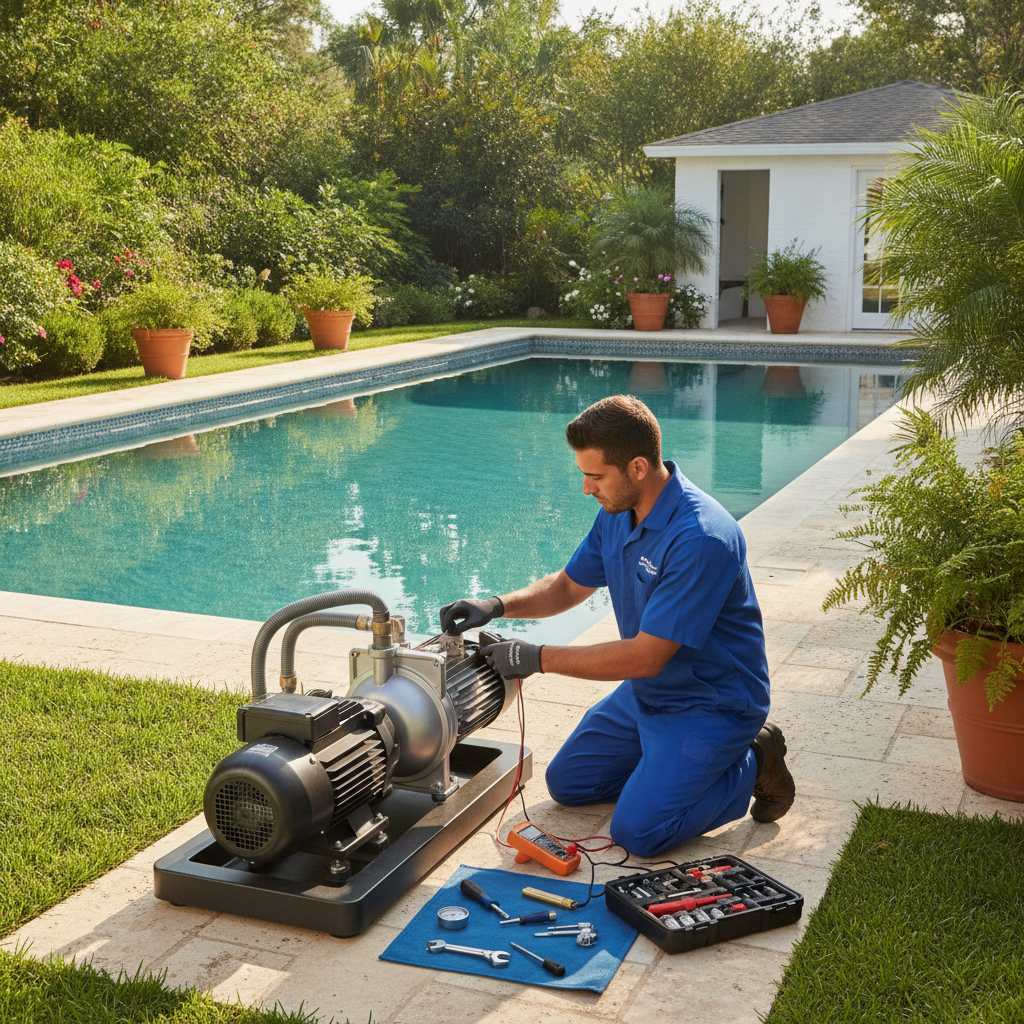
Once the initial assessment is complete, the technician will dive deeper into diagnosing the specific issue affecting your pool pump. Common problems include motor failure, impeller blockages, leaky seals, and electrical faults. Using specialized tools, they’ll test the pump’s electrical components, measure voltage, and check for continuity to rule out wiring or capacitor issues. If the pump is making unusual noises, the technician might disassemble the housing to inspect the impeller and bearings for signs of wear or debris. Sometimes, what seems like a major malfunction can be traced back to something as simple as a clogged filter or a stuck valve. The technician’s experience and attention to detail are key here, they know how to distinguish between symptoms and underlying causes. For those interested in the different types of pool filter cleaning methods and how they impact pump performance, check out this in-depth guide: Cartridge, Sand, or DE: Which Pool Filter Cleaning Approach Works Best for Rancho Santa Margarita Homes?
Understanding the Repair Process Step by Step
After identifying the problem, the technician will explain the necessary repairs and provide an estimate. Transparency is important, reputable service providers will walk you through what needs to be fixed and why, whether it’s replacing a worn-out seal, rewiring a faulty connection, or installing a new motor. The repair process typically involves shutting off the pool’s power supply, draining water from the pump, and carefully removing any damaged components. Each part is inspected for secondary issues, as a failing seal or bearing can often lead to further damage if left unchecked. The technician will use manufacturer-approved parts and follow best practices to ensure a long-lasting repair. Once the work is complete, they’ll reassemble the pump, restore power, and run a series of tests to confirm everything is working as it should. For more information on identifying early warning signs of pump motor failure, see Is Your Pool Pump Motor Failing? Warning Signs Rancho Santa Margarita Homeowners Shouldn’t Ignore.
What Makes Pool Pump Repairs Unique in This Region?
Pool pump repairs in this community come with their own set of challenges and considerations. The local climate, with its warm summers and occasional dust, can accelerate wear on pump components. Technicians in the area are well-versed in addressing issues caused by environmental factors, such as clogged impellers from windblown debris or seals that degrade faster due to high temperatures. Additionally, the prevalence of modern, energy-efficient pumps means repair professionals must stay up-to-date on the latest technology and manufacturer recommendations. Many pools in the region are equipped with advanced automation systems, which can complicate diagnostics but also offer more precise control over repairs and maintenance. Local service providers understand the importance of quick turnaround times, especially during peak swim season when downtime can be particularly disruptive. They also recognize the value of proactive maintenance to prevent future breakdowns, helping pool owners enjoy uninterrupted use of their backyard retreats.
Signs You Need Professional Pool Pump Service
Recognizing the early warning signs of a failing pool pump can make the difference between a simple repair and a costly replacement. If you notice your pool water isn’t circulating as efficiently as before, or if the pump is making grinding, screeching, or humming noises, it’s time to call a professional. Persistent leaks around the pump housing, visible rust, or frequent tripping of the circuit breaker are also red flags. Sometimes, the pump may run but fail to prime, leaving the water stagnant and potentially unsafe for swimming. Ignoring these symptoms can lead to more extensive damage, affecting not only the pump but also other vital pool equipment. Experienced technicians can quickly pinpoint the cause and recommend the right solution, saving you time and money in the long run. Regular inspections and prompt repairs are the best way to keep your pool running smoothly throughout the year.
How to Prepare for a Pool Pump Repair Visit
Preparing for a service visit can help ensure the repair process goes smoothly and efficiently. Start by clearing the area around your pool equipment, removing any obstacles such as pool toys, patio furniture, or landscaping debris. Make sure the technician has easy access to the pump and any related electrical panels. If you have documentation on your pool system, such as manuals, warranty information, or maintenance logs, have them ready for review. It’s also helpful to jot down any unusual symptoms you’ve noticed, including when they started and how frequently they occur. If your pool is part of a commercial property or managed by a homeowners association, coordinate with other stakeholders to ensure the technician can access the site. Taking these steps not only speeds up the repair but also helps the technician provide a more accurate diagnosis and solution.
What to Expect During On-Site Repairs
During the repair visit, the technician will work methodically to minimize disruption to your property and daily routine. They’ll start by confirming the pool’s power supply is safely disconnected before opening the pump housing. Expect the technician to use specialized tools and wear protective gear, especially when dealing with electrical components or chemicals. If parts need to be replaced, the technician will typically have a selection of common components on hand, but in some cases, they may need to order a specific part. Throughout the process, you’ll be kept informed of progress and any unexpected findings. After completing the repair, the technician will test the pump under normal operating conditions, checking for leaks, proper flow, and correct electrical function. They’ll also clean up the work area, ensuring your pool equipment looks as good as it runs. Before leaving, the technician will provide maintenance tips and answer any questions you may have about ongoing care.
Comparing Repair, Replacement, and Upgrade Options
Not every pool pump issue requires a full replacement. In many cases, targeted repairs can restore your pump to peak performance at a fraction of the cost of a new unit. However, if your pump is older, inefficient, or has suffered extensive damage, your technician may recommend a replacement or even an upgrade to a more energy-efficient model. Modern variable-speed pumps, for example, offer significant energy savings and quieter operation compared to older single-speed units. When considering your options, weigh the upfront cost of repair against the long-term benefits of a new or upgraded system. A reputable technician will help you evaluate factors such as the age of your pump, the availability of replacement parts, and your pool’s specific needs. Investing in an upgrade can also increase property value and reduce maintenance costs over time, making it a smart choice for many pool owners in the region.
Post-Repair Testing and Quality Assurance
After the repair is complete, thorough testing is essential to ensure your pool pump is operating safely and efficiently. The technician will run the pump through multiple cycles, monitoring water flow, pressure, and noise levels. They’ll also check for leaks, verify that all electrical connections are secure, and ensure the pump is properly primed. In some cases, the technician may test the system over a longer period to catch intermittent issues that might not appear immediately. You’ll receive a summary of the work performed, along with any recommendations for future maintenance or upgrades. This attention to detail helps prevent recurring problems and gives you confidence that your pool equipment is in top shape. Don’t hesitate to ask questions or request a demonstration of the repaired system, knowledge is your best tool for ongoing pool care.
Table: Common Pool Pump Problems and Solutions
| Problem | Symptoms | Typical Solution |
|---|---|---|
| Motor Failure | Pump won’t start, humming noise | Replace motor or capacitor |
| Leaky Seals | Water around pump base | Replace seals and gaskets |
| Clogged Impeller | Low flow, noisy operation | Clean or replace impeller |
| Electrical Issues | Breaker trips, intermittent power | Repair wiring or replace switch |
| Worn Bearings | Grinding noise, vibration | Replace bearings |
Preventive Maintenance Tips for Pool Owners
Preventive maintenance is the best way to extend the life of your pool pump and avoid unexpected breakdowns. Regularly check and clean your pool’s skimmer and pump baskets to prevent debris from entering the pump. Monitor water levels to ensure the pump doesn’t run dry, which can cause overheating and damage. Inspect seals and gaskets for signs of wear, and replace them as needed to prevent leaks. Schedule periodic professional inspections, especially before peak swimming season, to catch minor issues before they escalate. Keep the area around your pool equipment clean and free of obstructions, and be attentive to any changes in noise, flow, or performance. By staying proactive, you’ll enjoy a cleaner, safer, and more reliable pool all year long.
Final Thoughts
A pool pump is the heart of your swimming pool, and keeping it in top condition is essential for water clarity, safety, and enjoyment. Understanding what to expect during a pool pump repair service visit can help you feel confident and prepared, whether you’re a homeowner, business owner, or property manager. From the initial assessment to thorough testing and preventive maintenance, each step plays a vital role in ensuring your pool stays inviting and trouble-free. By partnering with knowledgeable local technicians and staying proactive about maintenance, you can maximize the life of your pool equipment and minimize costly surprises. Don’t wait for a small issue to become a big headache, take action at the first sign of trouble and keep your backyard oasis running at its best.