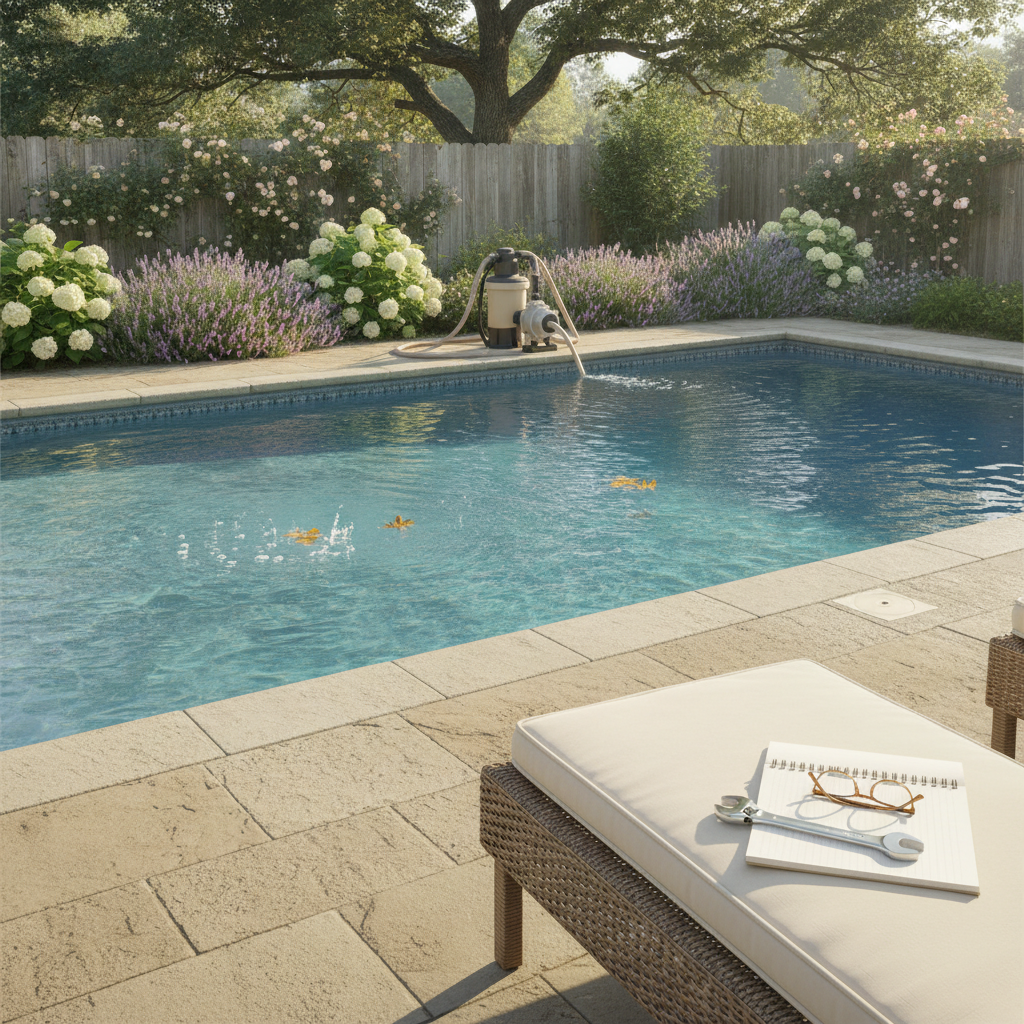
For homeowners in the area, a swimming pool is more than just a backyard feature, it’s a place for relaxation, family time, and social gatherings. But when your pool pump starts making strange noises, leaking, or delivering weak water flow, that sense of enjoyment can quickly turn into frustration. Diagnosing these issues early is key to keeping your pool in top shape and avoiding costly repairs. In this guide, we’ll walk you through how to identify and troubleshoot common pool pump problems, from odd sounds to leaks and low circulation. Whether you’re a hands-on homeowner, a local business owner managing a pool, or simply want to understand when to call for pool pump repair Irvine CA services, you’ll find practical advice and actionable steps here. Let’s dive into what causes these issues, how to spot them, and what you can do to restore your pool’s performance and peace of mind.
Understanding Your Pool Pump’s Role
Before you can diagnose problems, it’s important to understand what your pool pump actually does. The pump is the heart of your pool’s circulation system. It draws water from the pool, pushes it through the filter, and returns it clean and clear. This process not only keeps the water sparkling but also distributes chemicals evenly and prevents algae growth. When your pump isn’t working right, everything from water clarity to safety can be affected.
A typical pool pump consists of a motor, an impeller, a housing, and various seals and gaskets. Each part plays a role in moving water efficiently and quietly. If any component starts to fail, you might notice symptoms like noise, leaks, or reduced flow. Understanding these basics helps you pinpoint issues faster and communicate more effectively with pool professionals like Saddleback Mountain when you need expert help.
Modern pumps are designed for energy efficiency and quiet operation, but even the best systems require regular attention. Knowing how your pump works empowers you to spot trouble early and protect your investment in your home’s most refreshing feature.
Decoding Pool Pump Noises: What They Mean
Strange sounds coming from your pool pump can be alarming, but they’re also valuable clues. Different noises often point to specific issues. For example, a high-pitched squeal might indicate a worn bearing or a failing motor, while a grinding sound could mean debris is caught in the impeller. Rattling or vibrating noises often suggest loose hardware or an unbalanced pump base.
Here’s a quick guide to common pump sounds and their likely causes:
- Screeching or squealing: Worn bearings, dry motor shaft, or lack of lubrication.
- Grinding: Debris trapped in the impeller or pump basket.
- Thumping or rattling: Loose mounting bolts, misaligned pump, or air in the system.
- Humming: Electrical issues or a seized motor.
If you hear persistent or worsening noises, it’s time to investigate. Start by turning off the pump and checking for visible debris or loose parts. If the sound continues after a basic inspection, it may be best to consult a professional. Unusual noises can signal problems that, if left unchecked, may lead to more extensive repairs or even pump replacement. For more on how filter issues can impact pump performance, check out The Hidden Cost of a Dirty Pool Filter: Better Flow, Fewer Repairs, and Lower Energy Use in Rancho Santa Margarita.
Remember, a quiet pump is a happy pump. Regular maintenance and prompt attention to odd sounds can extend your equipment’s life and keep your poolside experience peaceful.
Spotting and Addressing Pool Pump Leaks
Leaks are among the most common and frustrating pool pump issues. Even a small drip can signal a bigger problem brewing inside your equipment. The most frequent sources of leaks are worn shaft seals, cracked pump housings, loose fittings, or deteriorated gaskets. If you notice water pooling under your pump or see damp spots around the equipment pad, don’t ignore it.
To diagnose a leak, start by drying the area and running the pump. Watch closely for water seeping from joints or seams. Check the pump lid, drain plugs, and pipe connections. If the leak is coming from the bottom of the motor, the shaft seal is likely the culprit. This part keeps water from reaching the motor and should be replaced at the first sign of trouble.
Addressing leaks quickly helps prevent water damage, electrical hazards, and further equipment failure. Some minor leaks can be fixed with new gaskets or tightening connections, but persistent or hidden leaks may require professional intervention. For a detailed look at leak sources and repair strategies, see Pool Pump Leak Repair in Rancho Santa Margarita, CA: How to Spot Seals, Lid, and Housing Problems.
Staying vigilant for leaks and addressing them promptly can save you from bigger headaches down the road and keep your pool running smoothly all season long.
Diagnosing Low Water Flow and Circulation
Weak water flow is a telltale sign that something isn’t right with your pool’s circulation. Low flow can lead to cloudy water, ineffective filtration, and even algae blooms. The causes are varied, but some of the most common include clogged skimmer baskets, dirty filters, air leaks in the suction line, or a failing pump impeller.
To troubleshoot, first check the skimmer and pump baskets for debris. Clean or replace the pool filter if it’s dirty or overdue for maintenance. Next, inspect the pump lid and suction-side fittings for air leaks, which can disrupt the pump’s ability to draw water efficiently. If you notice bubbles in the pump basket or returning to the pool, air is likely entering the system somewhere.
Another potential culprit is the impeller, which can become clogged with leaves, hair, or other debris. Turn off the power, remove the pump housing, and carefully clear any obstructions. If low flow persists after these checks, the issue may be more complex, such as a worn pump or undersized plumbing. Consulting a pool professional is the best next step to avoid further complications.
Maintaining strong, consistent water flow is essential for both pool health and energy efficiency. Regular inspections and timely cleaning can help you avoid most low-flow headaches.
Common Causes of Pool Pump Failure
Understanding why pool pumps fail can help you prevent breakdowns and extend the life of your equipment. The most frequent causes of pump failure include overheating, electrical issues, improper installation, and lack of routine maintenance. Overheating often results from restricted water flow, which can be caused by clogged filters or blocked intakes. Electrical problems may stem from faulty wiring, poor connections, or power surges.
Improper installation, such as misaligned plumbing or inadequate support for the pump, can put undue stress on the motor and seals. Additionally, neglecting regular maintenance, like cleaning baskets, replacing worn seals, and lubricating moving parts, can accelerate wear and tear. Environmental factors, including exposure to sun, rain, and pool chemicals, also contribute to pump deterioration over time.
By staying proactive with inspections and addressing small issues before they escalate, you can avoid the inconvenience and expense of a pump failure. If your pump is older or has a history of problems, consider consulting a professional for an assessment and possible upgrade to a more efficient model.
How to Perform a Basic Pool Pump Inspection
Performing a routine inspection of your pool pump is a simple yet effective way to catch issues early. Start by turning off the power to the pump for safety. Visually inspect the pump housing, lid, and connections for signs of leaks or cracks. Check the pump basket for debris and ensure it’s seated properly. Listen for any unusual noises when the pump is running, and feel for excessive vibration or heat.
Next, examine the area around the pump for water accumulation, which could indicate a leak. Inspect the electrical connections for signs of corrosion or loose wires. If you notice any frayed wires or burnt smells, stop using the pump and call a professional immediately. Finally, check the pressure gauge on your filter, abnormal readings can signal flow issues or a clogged filter.
Regular inspections not only help you spot trouble early but also give you peace of mind that your pool is ready for use whenever you are. Make it a habit to check your pump at least once a month, especially during peak swimming season.
When to Call a Pool Pump Professional
While many minor pool pump issues can be handled by homeowners, some situations call for professional expertise. If you encounter persistent leaks, electrical problems, or recurring low flow despite your best efforts, it’s time to bring in a qualified technician. Professionals have the tools and experience to diagnose complex problems, replace worn components, and ensure your system is operating safely and efficiently.
Attempting DIY repairs on electrical components or internal pump parts can be risky and may void warranties. Additionally, professionals can recommend upgrades or adjustments to improve energy efficiency and water quality. If your pump is more than a decade old or has required frequent repairs, a consultation can help you decide whether replacement is the best option for your needs and budget.
Don’t wait until a minor issue becomes a major headache. Timely intervention by a pool pump expert can save you money, protect your equipment, and keep your pool ready for fun all year round.
Preventative Maintenance Tips for Homeowners
Consistent maintenance is the best defense against pool pump problems. Start by cleaning skimmer and pump baskets weekly to prevent debris buildup. Check and clean your pool filter according to the manufacturer’s recommendations, usually every few months, depending on usage and local conditions. Inspect pump seals and gaskets for signs of wear, and replace them as needed to prevent leaks.
Lubricate O-rings and moving parts with a silicone-based lubricant to keep them flexible and effective. Monitor your pump’s performance by checking water flow, listening for unusual noises, and watching for leaks. If you notice changes, address them promptly to avoid bigger issues down the line. Keep the area around your pump clear of leaves, dirt, and standing water to minimize environmental wear.
By following a regular maintenance routine, you’ll extend the life of your pool equipment, improve water quality, and reduce the need for costly repairs. Preventative care is the key to a stress-free pool ownership experience.
Comparing DIY and Professional Pool Pump Repairs
When faced with a pool pump issue, homeowners often wonder whether to tackle the repair themselves or call a professional. DIY repairs can be cost-effective for simple tasks like replacing pump baskets, tightening fittings, or cleaning out debris. However, more complex problems, such as replacing seals, repairing electrical components, or addressing persistent leaks, are best left to experts.
Professionals bring specialized tools, training, and experience to the job. They can quickly diagnose issues, source quality replacement parts, and ensure repairs are done safely and correctly. Attempting advanced repairs without the right knowledge can lead to further damage, void warranties, or create safety hazards. Consider your comfort level, the complexity of the issue, and the value of your time when deciding between DIY and professional service.
In many cases, a hybrid approach works best: handle routine maintenance and minor fixes on your own, but don’t hesitate to call in a pro for anything beyond your expertise. This strategy keeps your pool running smoothly and your repair costs in check.
| Symptom | Possible Cause | Recommended Action |
|---|---|---|
| Loud squealing noise | Worn bearings or dry shaft | Replace bearings, lubricate shaft |
| Visible water leak | Damaged seal or gasket | Replace seal or gasket |
| Low water flow | Clogged filter or impeller | Clean filter, clear impeller |
| Pump won’t start | Electrical issue or seized motor | Check wiring, consult professional |
| Bubbles in pool returns | Air leak in suction line | Inspect and tighten fittings |
Choosing the Right Pump for Your Pool
Selecting the right pool pump is crucial for efficient operation and long-term reliability. Factors to consider include pool size, plumbing configuration, filter type, and desired flow rate. Variable-speed pumps are becoming increasingly popular due to their energy savings and quiet performance. They allow you to adjust the speed to match your pool’s needs, reducing wear and lowering utility bills.
Consult with a pool equipment specialist to ensure your pump is properly sized and compatible with your existing system. An undersized pump will struggle to circulate water effectively, while an oversized pump can waste energy and cause premature wear. Upgrading to a modern, energy-efficient model can improve water quality, reduce maintenance, and enhance your pool experience.
If you’re considering a pump replacement or upgrade, research the latest models and features to find the best fit for your pool and budget. A well-chosen pump will provide years of reliable service and help you get the most from your backyard oasis.
Key Takeaways
Diagnosing pool pump noise, leaks, and low flow doesn’t have to be overwhelming. By understanding how your pump works and staying alert to changes in sound, water movement, and visible wear, you can catch problems early and keep your pool in top condition. Regular maintenance, like cleaning baskets, replacing worn parts, and inspecting for leaks, goes a long way in preventing bigger issues.
Remember, while some troubleshooting can be handled by homeowners, don’t hesitate to call a professional when faced with persistent or complex problems. Investing a little time and care now will save you money, prevent downtime, and ensure your pool remains the centerpiece of relaxation and enjoyment in your home. Stay proactive, and your pool pump will reward you with years of dependable service.