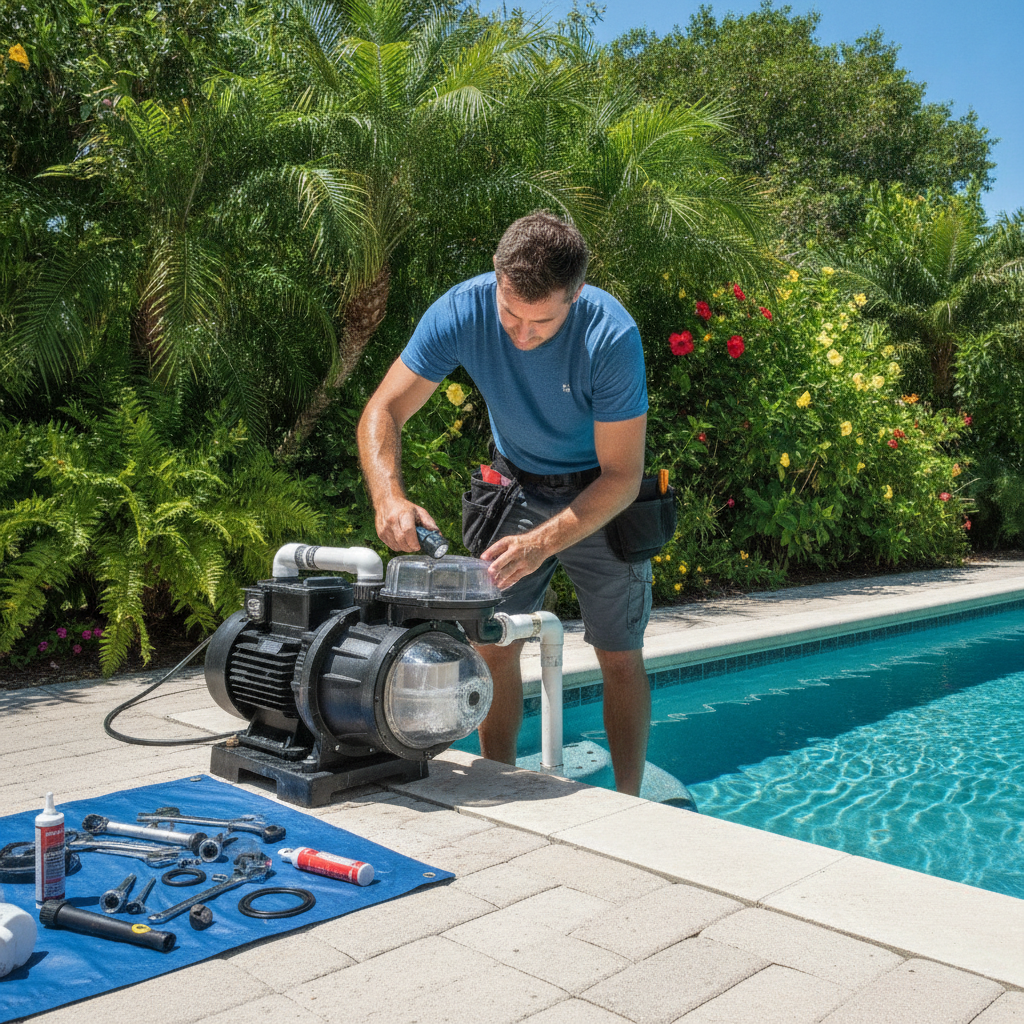
If you own a pool in the area, keeping your pool pump in top shape is essential for clear water, efficient operation, and avoiding costly repairs. One of the most common issues pool owners face is a leaking pump, which can quickly escalate from a minor annoyance to a major headache. Whether you’re a small business owner managing a commercial pool or a homeowner maintaining your backyard oasis, understanding the basics of Pool Pump Repair Rancho Margarita CA can make all the difference. In this guide, we’ll break down how to spot leaks in seals, lids, and housings, explain what causes these problems, and show you what you can do to prevent them. You’ll learn how to identify early warning signs, when to call a professional, and how to keep your pool running smoothly all season long.
Understanding Pool Pump Leaks and Their Impact
A pool pump leak is more than just an inconvenience, it can signal underlying issues that threaten your pool’s health and your wallet. Leaks often start small, but if left unchecked, they can cause water loss, reduced circulation, and even electrical hazards. The most common sources of leaks are the pump’s mechanical seal, the lid or strainer cover, and the pump housing itself. Each of these components plays a crucial role in keeping water contained and the system running efficiently. When a leak develops, it can draw air into the system, leading to loss of prime, noisy operation, and decreased filtration. If you’re in the region and notice water pooling around your equipment pad, it’s time to investigate further. Addressing leaks quickly can prevent further damage and extend the life of your pool pump. For expert help and peace of mind, many local pool owners trust Saddleback Mountain for prompt, reliable service.
How to Identify Seal Failures Before They Worsen
The mechanical seal is a small but vital part of your pool pump, preventing water from escaping where the motor shaft enters the pump housing. Over time, seals can wear out due to age, heat, or chemical exposure. Early signs of a failing seal include a steady drip beneath the pump, rust or mineral buildup, and a faint grinding or squealing noise from the motor. If you notice these symptoms, it’s important to act quickly. Ignoring a leaking seal can result in water seeping into the motor, leading to electrical shorts or complete motor failure. In some cases, you may also see air bubbles returning to the pool, indicating air is being drawn in through the compromised seal. Regular inspection and timely replacement are key to avoiding these issues. For a deeper dive into protecting your pool equipment, check out How Regular Pool Cleaning Helps Protect Your Rancho Santa Margarita Pool Equipment.
Spotting Lid and O-Ring Issues in Your Pump
Another frequent culprit behind pool pump leaks is the lid or strainer cover and its O-ring. The lid forms a tight seal on the strainer basket, keeping water from escaping and air from entering the system. Over time, the O-ring can become brittle, cracked, or flattened, compromising the seal. Signs of a faulty lid or O-ring include water weeping around the lid, visible cracks, or difficulty maintaining pump prime. Sometimes, debris or sand can prevent the lid from seating properly, making it important to clean both the lid and O-ring regularly. Lubricating the O-ring with a silicone-based lubricant can extend its life and improve the seal. If you’re unsure whether to repair or replace, refer to manufacturer guidelines or consult a local pool professional. For those considering equipment upgrades, What to Know Before Installing New Pool Equipment in Irvine, CA offers valuable insights.
Recognizing Pump Housing Cracks and Structural Problems
The pump housing is the main body of your pool pump, designed to withstand constant water pressure and exposure to the elements. However, extreme temperature changes, improper winterization, or impact from tools can cause the housing to crack. Even a hairline fracture can result in a persistent leak that worsens over time. Look for damp spots, water stains, or visible cracks on the pump body. If you suspect a housing crack, shutting off the pump and inspecting the area closely is critical. In some cases, a temporary patch may hold, but most housing cracks require a full replacement to restore safe, leak-free operation. Regularly inspecting your equipment pad for signs of moisture or corrosion can help you catch these issues early. Remember, a compromised housing not only wastes water but can also strain your entire pool system, leading to higher energy costs and more frequent repairs.
Common Causes of Pool Pump Leaks in the Region
While pool pump leaks can occur anywhere, certain factors make them more common in this community. High temperatures, fluctuating humidity, and exposure to pool chemicals can accelerate wear on seals, O-rings, and housings. Hard water and mineral deposits can also contribute to premature seal failure. Additionally, improper installation or over-tightening of fittings can stress plastic components, leading to cracks or warping. Seasonal debris, such as leaves and dust, may find their way into the pump lid, preventing a proper seal. Understanding these local challenges helps you stay proactive about maintenance. By scheduling regular inspections and cleaning, you can catch small leaks before they turn into major repairs, saving both water and money in the long run.
Step-by-Step Guide to Inspecting Your Pool Pump for Leaks
Inspecting your pool pump for leaks doesn’t require advanced technical skills, just a keen eye and a systematic approach. Start by turning off the pump and allowing it to cool. Visually inspect the area around the pump for puddles, dampness, or mineral buildup. Check the mechanical seal by looking for drips beneath the motor connection. Examine the lid and O-ring for cracks, flattening, or debris. Run your fingers along the pump housing to feel for moisture or rough spots that could indicate a crack. If you spot a leak, try to pinpoint its exact location before deciding on a repair or replacement. Document your findings and, if needed, consult a professional for further diagnosis. Regular self-inspections can help you stay ahead of potential problems and keep your pool running efficiently.
DIY Fixes for Minor Pool Pump Leaks
Some minor pool pump leaks can be addressed with simple DIY repairs. Replacing a worn O-ring or applying a silicone-based lubricant can often restore a tight seal on the pump lid. For mechanical seal leaks, you’ll need to disassemble the wet end of the pump and install a new seal kit, a task that requires basic tools and careful attention to detail. Hairline cracks in the housing may be temporarily patched with a waterproof epoxy, though this is only a short-term fix. Always follow manufacturer instructions and use compatible replacement parts to avoid voiding warranties. If you’re not comfortable tackling these repairs, or if the leak persists after your efforts, it’s best to call in a professional to prevent further damage.
When to Call a Professional for Pool Pump Repair
While many leaks can be handled with basic tools and know-how, some situations demand the expertise of a trained technician. If you notice water leaking directly into the motor, extensive corrosion, or repeated seal failures, it’s time to seek professional help. Complex repairs, such as replacing the entire pump housing or diagnosing electrical issues, are best left to those with specialized training and equipment. Professional pool pump repair services in the area can quickly identify the root cause of leaks and recommend the most cost-effective solution. They can also perform pressure tests, check for hidden cracks, and ensure your pump meets local safety standards. Investing in expert repairs not only protects your pool but also gives you peace of mind that the job is done right.
Preventive Maintenance Tips for Leak-Free Pool Pumps
Preventing pool pump leaks starts with regular maintenance and attention to detail. Clean the pump lid and O-ring every few weeks, and replace the O-ring annually or as soon as you notice signs of wear. Inspect the mechanical seal during seasonal maintenance, especially if your pool sees heavy use or fluctuating chemical levels. Avoid over-tightening fittings, which can stress plastic components and lead to cracks. Keep the equipment pad clear of debris and shielded from direct sunlight to reduce temperature extremes. Schedule professional inspections at least once a year to catch hidden problems before they escalate. By following these simple steps, you can extend the life of your pool pump and enjoy a worry-free swimming season.
Comparing Repair Options: DIY vs. Professional Service
Deciding whether to tackle a pool pump leak yourself or call in a professional depends on the severity of the problem, your comfort level with repairs, and the availability of replacement parts. DIY repairs can save money and are suitable for minor issues like O-ring replacement or lid cleaning. However, more complex leaks involving the mechanical seal or housing often require specialized tools and expertise. Professional services offer diagnostic testing, warranty protection, and the assurance that repairs meet safety standards. Consider your time, budget, and the potential risks before choosing a repair route. The table below summarizes the pros and cons of each approach to help you make an informed decision.
| Repair Option | Pros | Cons |
|---|---|---|
| DIY Repair | Cost-effective, immediate, suitable for minor leaks, builds knowledge | Risk of incorrect repair, may void warranty, limited to simple fixes |
| Professional Service | Expert diagnosis, warranty protection, ensures safety, access to parts | Higher upfront cost, scheduling required, may take longer |
Final Thoughts
Pool pump leaks are a common challenge for pool owners, but with the right knowledge and proactive care, they don’t have to disrupt your swim season. By understanding the signs of seal, lid, and housing problems, you can catch leaks early and decide whether a DIY fix or professional help is best for your situation. Regular maintenance and inspections are your best defense against unexpected breakdowns and costly repairs. Whether you manage a commercial property or a private backyard pool, staying vigilant about leaks will keep your water clear, your equipment running smoothly, and your pool ready for enjoyment all year round.