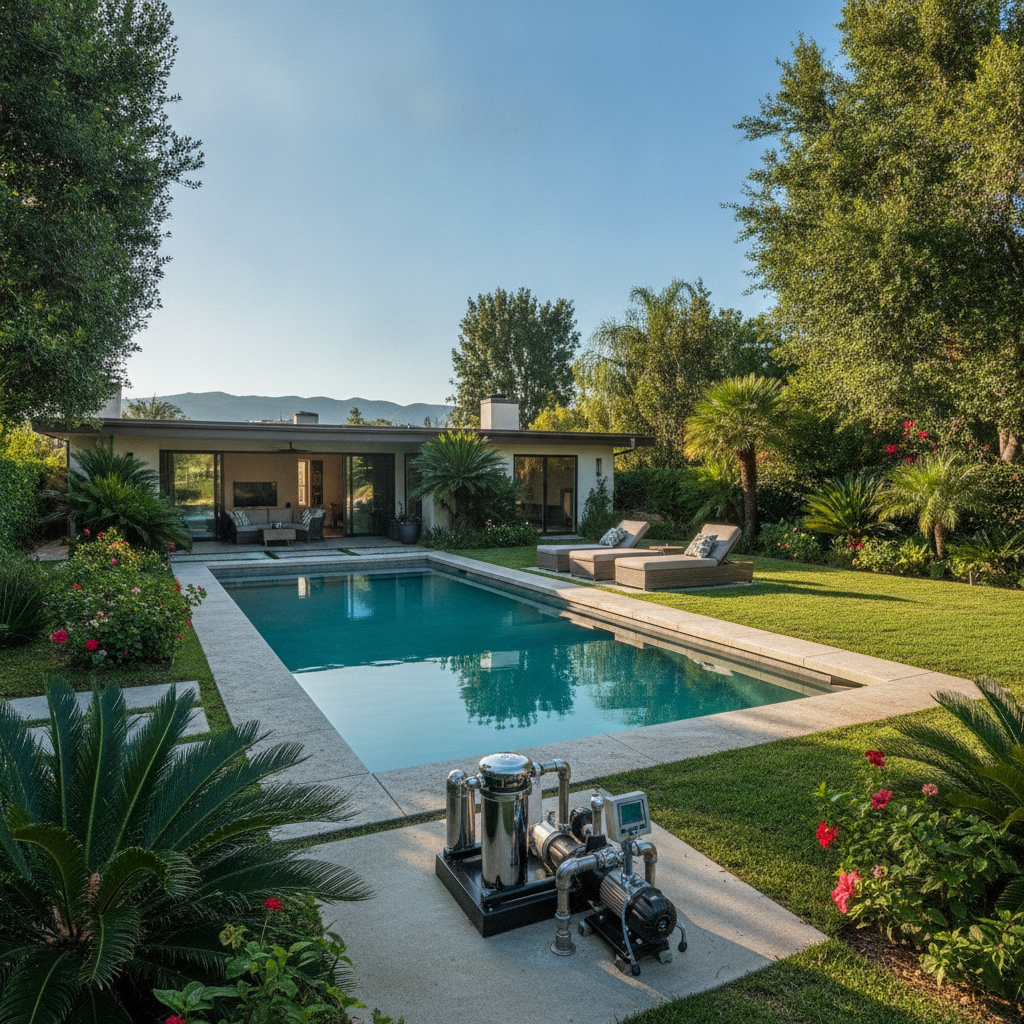
If you’re considering upgrading or replacing your swimming pool’s vital systems, understanding what’s involved in pool equipment installation Irvine CA is essential. Whether you’re a small business owner managing a community pool, a developer planning a new project, or a homeowner looking for a backyard refresh, the process can be more complex than it first appears. The choices you make today will influence your pool’s efficiency, longevity, and overall enjoyment for years to come. From navigating local codes to choosing the right equipment for your needs, there’s a lot to consider before diving in. This guide will walk you through the key factors, common pitfalls, and smart strategies to ensure your pool equipment installation goes smoothly and delivers lasting value. Let’s explore what you need to know to make your investment count.
Understanding the Scope of Pool Equipment Installation
Before any work begins, it’s important to define exactly what your pool equipment installation will entail. Are you replacing a single component, like a pump or filter, or planning a comprehensive overhaul that includes automation, heating, and advanced sanitization? Each scenario comes with its own set of requirements, timelines, and potential disruptions to your daily routine. For small business owners, downtime can impact guests and revenue, while homeowners may be concerned about noise, mess, or safety during the installation process. Mapping out the full scope upfront helps set realistic expectations and ensures you’re prepared for every step. Consulting with a reputable local pool professional, such as Saddleback Mountain, can clarify what’s needed for your unique situation and help you avoid costly surprises later on.
Key Local Regulations and Permitting Considerations
Every community has its own rules governing pool equipment installation, and the area is no exception. From electrical codes to water conservation mandates, you’ll need to ensure your project is fully compliant before work begins. Permits may be required for major upgrades, especially when altering plumbing or electrical systems. Failing to secure the right paperwork can lead to fines, delays, or even forced removal of non-compliant equipment. It’s also important to consider any homeowners’ association (HOA) rules that may apply. Professional installers are typically well-versed in these requirements and can help guide you through the process. For a deeper look at how thorough pool cleaning and maintenance relate to compliance, check out What a Thorough Pool Cleaning Service Includes for Rancho Santa Margarita Homeowners.
Selecting the Right Equipment for Your Needs
Choosing the right pool equipment is about more than just replacing what’s broken. Today’s market offers a wide array of pumps, filters, heaters, and automation systems, each with unique benefits and energy profiles. Consider your pool’s size, typical usage, and your goals for efficiency and water quality. Variable-speed pumps, for example, can significantly reduce energy costs, while advanced filtration systems keep water cleaner with less effort. Business owners may prioritize durability and automation, while families might focus on safety and ease of use. Don’t forget to factor in compatibility with existing plumbing and electrical systems. For a comprehensive guide on making these choices, see Pool Equipment Installation in Irvine, CA: Choosing the Right Pump, Filter, and Heater for Your Backyard.
Planning for Energy Efficiency and Sustainability
Modern pool equipment is designed with energy efficiency in mind, but not all products are created equal. Upgrading to ENERGY STAR-rated pumps and heaters can lead to substantial savings over time, especially in a climate that encourages year-round pool use. Solar heating systems and automated controls can further reduce your carbon footprint and operating costs. When planning your installation, think about how each component contributes to overall sustainability. Many local utilities even offer rebates for energy-efficient upgrades, making the investment even more attractive. Discussing your options with a knowledgeable installer ensures you select equipment that aligns with both your budget and your environmental goals.
Timing Your Installation for Minimal Disruption
Timing is everything when it comes to pool equipment installation. For businesses, scheduling work during off-peak hours or slower seasons can minimize guest inconvenience and revenue loss. Homeowners may want to plan installations during periods of low pool usage, such as early spring or late fall, to avoid missing out on prime swimming days. Weather can also play a role, as unexpected rain or heat waves may delay outdoor work or complicate logistics. Coordinating with your installer to set a realistic timeline helps ensure the project stays on track and meets your needs. Clear communication about start dates, expected downtime, and contingency plans will make the process smoother for everyone involved.
Budgeting for Your Pool Equipment Upgrade
A successful pool equipment installation starts with a realistic budget. Costs can vary widely depending on the scope of your project, the type of equipment selected, and any necessary upgrades to plumbing or electrical systems. It’s wise to obtain detailed quotes from several reputable installers and ask for a breakdown of labor, materials, and potential extras. Don’t forget to account for ongoing maintenance and operational expenses, which can differ significantly between older and newer equipment models. Investing in quality now can save you money in the long run by reducing repair needs and improving efficiency. Always ask about warranties and service agreements, as these can provide peace of mind and protect your investment.
Coordinating with Other Contractors and Stakeholders
Pool equipment installation often requires collaboration between multiple professionals, including electricians, plumbers, landscapers, and general contractors. Developers and business owners may have additional stakeholders, such as property managers or board members, who need to be kept in the loop. Clear communication and scheduling are essential to avoid conflicts and ensure each phase of the project proceeds smoothly. Establish a single point of contact to manage updates and approvals, and make sure all parties understand their roles and responsibilities. This proactive approach helps prevent delays, cost overruns, and misunderstandings that can derail your installation timeline.
Preparing Your Site for Installation Day
Proper site preparation is a critical but often overlooked step in the pool equipment installation process. Ensure that the area around your pool equipment pad is clear of debris, landscaping, and personal belongings. For businesses, this may mean temporarily closing off sections of the pool area or posting signage to inform guests of ongoing work. Homeowners should secure pets and children away from the work zone for safety. Verify that installers have easy access to electrical panels, water lines, and any other necessary infrastructure. Taking these steps ahead of time can help the project proceed efficiently and reduce the risk of accidents or delays.
What to Expect During the Installation Process
On installation day, you can expect a flurry of activity as technicians remove old equipment, prepare the site, and install new components. The process may involve shutting off power and water to the pool area, so plan accordingly if you need access during this time. Professional installers will test each piece of equipment for proper operation and check for leaks, electrical safety, and system integration. Once everything is in place, you’ll receive instructions on operating your new equipment and maintaining it for optimal performance. Don’t hesitate to ask questions or request a demonstration, understanding your new systems will help you get the most from your investment.
Comparing Common Pool Equipment Types
With so many options available, it helps to compare the most common types of pool equipment side by side. Below is a table that summarizes key features and considerations for pumps, filters, and heaters to help you make an informed decision for your installation.
| Equipment Type | Key Features | Considerations |
|---|---|---|
| Variable-Speed Pump | Energy-efficient, adjustable speeds, quieter operation | Higher upfront cost, may require electrical upgrades |
| Cartridge Filter | Low maintenance, good for fine particles, no backwashing | Cartridges need replacement, not ideal for heavy debris |
| Sand Filter | Simple to operate, effective for larger debris, long-lasting | Requires backwashing, less effective for small particles |
| Gas Heater | Fast heating, works in any weather, reliable | Higher energy costs, emissions, regular maintenance |
| Heat Pump | Energy-efficient, lower operating costs, long lifespan | Slower heating, requires warm ambient air |
Maintaining Your New Pool Equipment
Once your new equipment is installed, proper maintenance is the key to getting the most from your investment. Regularly check for leaks, unusual noises, or signs of wear, and follow the manufacturer’s recommended service schedule. Keep the area around your equipment clean and free of debris to promote airflow and prevent overheating. For business owners, consider setting up a maintenance contract to ensure professional oversight and timely repairs. Homeowners can benefit from keeping a simple log of service dates and any issues that arise. Staying proactive with maintenance will help your equipment last longer, perform better, and save you money on unexpected repairs.
Final Thoughts
Upgrading your pool equipment is a significant investment that can enhance comfort, efficiency, and property value for years to come. By understanding the full scope of your project, navigating local regulations, and choosing the right equipment for your needs, you set yourself up for a smooth installation and reliable performance. Remember to plan for energy efficiency, coordinate with all stakeholders, and maintain your new systems for optimal results. Whether you’re managing a commercial facility or creating a backyard oasis, careful planning and informed decisions are the foundation of a successful pool equipment installation in this community. Take the time to consult with trusted professionals, ask questions, and enjoy the peace of mind that comes with a job well done.