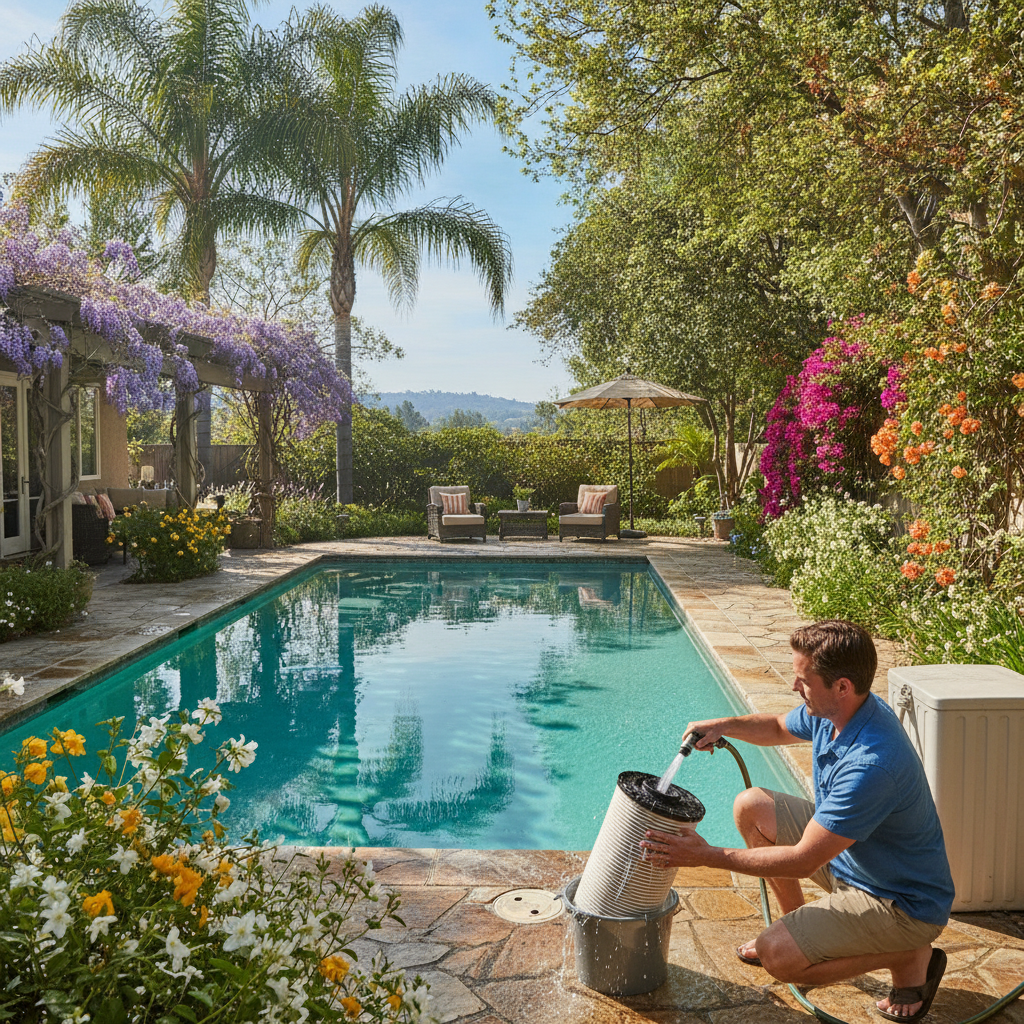
As spring approaches and the days grow warmer, pool owners in the area know it’s time to prepare for a new season of swimming and relaxation. Whether you manage a commercial property, oversee a multi-unit development, or simply enjoy your backyard oasis, maintaining your pool’s filtration system is essential for crystal-clear water and trouble-free operation. A professional pool filter cleaning service in Irvine CA can make all the difference, ensuring your system is ready for both the first splash of spring and the busiest days of summer. In this guide, we’ll explore what makes seasonal pool filter cleaning so important, break down the unique challenges of the local climate, and share expert strategies for keeping your pool filter in peak condition all season long. From the first signs of pollen to the height of pool party season, discover how the right maintenance approach can save you time, money, and hassle, while delivering the sparkling water everyone loves.
Why Spring Pool Filter Cleaning Sets the Tone for the Season
Spring is a pivotal time for pool maintenance. As the weather shifts, your pool filter faces a surge of new challenges: pollen, dust, and organic debris accumulate quickly, and increased bather load is just around the corner. If your filter hasn’t been serviced since last season, it’s likely harboring dirt and contaminants that can hinder performance. A thorough cleaning at the start of spring ensures your filtration system is primed to handle the demands of the coming months, preventing cloudy water and costly repairs down the line.
For small business owners and property managers, a proactive approach to filter maintenance can mean the difference between a seamless opening and a season plagued by water quality issues. Even for residential pool owners, starting the season with a clean filter sets a standard for care and enjoyment. Professional services like Saddleback Mountain understand the nuances of local conditions and tailor their cleaning methods to ensure optimal results.
Beyond aesthetics, spring cleaning extends the lifespan of your pool equipment. By removing trapped debris and buildup, you reduce strain on pumps and heaters, lower energy consumption, and minimize the risk of breakdowns during the busiest swimming months. In short, a clean filter is the foundation for a healthy, inviting pool all season long.
Understanding Local Springtime Filter Challenges
The region’s spring weather brings unique filtration challenges. Blooming trees, high pollen counts, and Santa Ana winds can all contribute to rapid filter clogging. Unlike the steady debris of autumn or the heavy use of summer, spring introduces fine particulates that are especially tough on filters. These particles can quickly reduce water clarity and put extra stress on your filtration system if not addressed promptly.
For commercial properties, the influx of pollen and dust can be even more pronounced, especially in areas with landscaping or nearby construction. Developers and property managers must be vigilant, as even a short lapse in filtration can lead to guest complaints or health code violations. Homeowners, too, notice the effects, yellowish water, increased need for backwashing, and higher chemical usage are all signs that spring has arrived.
Addressing these seasonal challenges requires not just regular cleaning but also an understanding of how different types of filters (cartridge, sand, DE) respond to fine debris. For more in-depth troubleshooting, resources like Pool Pump Leak Repair in Rancho Santa Margarita, CA: How to Spot Seals, Lid, and Housing Problems can help diagnose related issues that may arise during spring maintenance.
Ultimately, recognizing the unique demands of spring in this community allows for smarter, more effective filter care, setting you up for a successful swim season.
Peak-Swim Season: Keeping Your Filter at Its Best
Once summer arrives, your pool filter faces its greatest test. Higher temperatures, increased swimmer load, and frequent pool parties all contribute to faster accumulation of oils, lotions, and organic debris. Even the most diligent spring cleaning can’t carry your filter through the entire season without additional attention.
During peak swim months, it’s crucial to monitor filter pressure and water clarity weekly. Many pool owners find that scheduling mid-season cleanings, especially after major events or storms, prevents unplanned downtime and keeps water sparkling. For commercial pools, adhering to a strict maintenance calendar is essential for compliance and guest satisfaction.
If your pool equipment is older or you’ve noticed recurring issues, consider reviewing Planning a Pool Equipment Retrofit in Rancho Santa Margarita, CA: What Older Systems Need Most for insights on upgrading filtration and support systems. Modern filters and automation can make maintenance easier and more effective, especially during the busiest swim weeks.
By staying proactive during peak season, you’ll avoid emergency repairs and enjoy uninterrupted pool time, whether you’re managing a business or relaxing at home.
Signs Your Pool Filter Needs Immediate Attention
Knowing when your pool filter requires urgent cleaning can save you from bigger headaches down the road. Some warning signs are obvious, while others are easy to overlook until they escalate into larger problems. Here are the most common indicators that your filter needs prompt attention:
- Noticeable drop in water clarity or persistent cloudiness, even after chemical adjustments.
- Rising filter pressure gauge readings, indicating restricted water flow.
- Unusual noises from the pump or filter, such as hissing or gurgling.
- Reduced return jet strength, causing weak water circulation.
- Visible debris returning to the pool after filtration.
- Frequent need for backwashing or manual cleaning.
If you notice any of these symptoms, it’s wise to schedule a professional cleaning as soon as possible. Delaying service can lead to increased energy use, equipment strain, and even algae growth. For business owners and property managers, prompt attention to these signs can help avoid guest complaints and maintain your reputation for clean, inviting facilities.
Regular inspections and a keen eye for changes in your pool’s behavior are your best defense against filter-related issues.
How Often Should You Schedule Filter Cleaning?
Determining the ideal cleaning frequency depends on several factors, including pool usage, filter type, and local environmental conditions. While manufacturers often recommend cleaning cartridge filters every 3-6 months, and backwashing sand or DE filters as needed, the realities of this city’s climate may demand more frequent attention.
Pools surrounded by trees, landscaping, or construction sites will accumulate debris faster. Commercial and multi-unit pools, with their higher bather loads, also require more regular service. For most residential pools, a thorough cleaning at the start and end of the swim season is a good baseline, with additional cleanings after major storms or heavy usage.
Here’s a quick reference table to help you estimate the right schedule for your pool:
| Pool Type | Recommended Cleaning Frequency |
|---|---|
| Residential (light use) | Twice per year (spring and fall) |
| Residential (heavy use) | Every 2-3 months |
| Commercial/HOA | Monthly or as required by code |
| After major storms/events | Immediately after event |
Remember, these are general guidelines. Monitoring your pool’s clarity, pressure, and overall performance will help you fine-tune your cleaning schedule for the best results.
DIY Filter Cleaning vs. Professional Service
Many pool owners wonder whether they should tackle filter cleaning themselves or hire a professional. While DIY cleaning can save money and offer a sense of accomplishment, it also comes with risks. Improper cleaning techniques can damage filter elements, void warranties, and even compromise water safety.
Professional pool filter cleaning services bring expertise, specialized tools, and a trained eye for potential problems. They can spot early signs of wear, leaks, or equipment failure that might go unnoticed by the untrained eye. For businesses and HOAs, professional service is often required to meet health and safety standards.
If you’re comfortable with basic maintenance, you can handle routine rinsing and visual inspections. However, for deep cleaning, cartridge replacement, or troubleshooting persistent issues, calling in the experts is the safest bet. The peace of mind and long-term savings often outweigh the initial cost.
What to Expect During a Professional Filter Cleaning Visit
When you schedule a pool filter cleaning service in the region, the process is more thorough than a simple rinse. Here’s what a typical professional visit includes:
- Inspection of the entire filtration system, including pump, valves, and pressure gauges.
- Disassembly of the filter housing and careful removal of cartridges, grids, or sand as needed.
- Deep cleaning of filter elements using specialized solutions and equipment to remove oils, minerals, and fine debris.
- Assessment for cracks, tears, or worn-out parts, with recommendations for repair or replacement if necessary.
- Reassembly, system restart, and verification of proper operation and pressure levels.
A reputable service provider will also offer tips for ongoing care and help you establish a maintenance schedule tailored to your pool’s unique needs. This level of attention ensures your system runs efficiently and delivers the best possible water quality throughout the swim season.
The Impact of Local Water Quality on Filter Maintenance
Water quality in the area can fluctuate due to seasonal rain, construction, and landscaping runoff. Hard water, high mineral content, and chemical imbalances all contribute to filter clogging and wear. These factors not only affect how often you need to clean your filter but also influence the type of cleaning solutions and methods used.
For example, pools with hard water may experience more rapid scale buildup on filter elements, requiring acid washes or specialized descaling treatments. Pools exposed to fertilizers or organic runoff may need more frequent cleanings to prevent algae blooms and cloudy water. Monitoring your pool’s water chemistry and adjusting your maintenance routine accordingly will help keep your filtration system in top shape.
Consulting with a local pool care expert ensures your filter maintenance plan accounts for these regional variables, protecting your investment and providing the best swimming experience for all users.
How Filter Condition Affects Energy Efficiency and Costs
A clean pool filter doesn’t just improve water clarity, it also plays a significant role in energy efficiency and operational costs. When filters become clogged with debris, your pool pump has to work harder to circulate water, leading to higher electricity bills and increased wear on equipment.
Over time, neglecting filter maintenance can shorten the lifespan of pumps and heaters, resulting in expensive repairs or replacements. By keeping your filter clean and well-maintained, you ensure optimal water flow, reduce strain on your system, and lower your overall energy consumption.
For business owners and property managers, these savings can be substantial over the course of a busy swim season. Even residential pool owners will notice the difference in utility costs and system reliability when filter maintenance is prioritized.
Best Practices for Year-Round Pool Filter Care
While spring and summer are the busiest times for pool use, year-round filter care is essential for long-term system health. Here are some best practices to keep your pool filter performing at its best, no matter the season:
- Conduct regular visual inspections for leaks, cracks, or unusual wear.
- Keep the area around your pool and equipment pad clear of leaves, mulch, and debris.
- Maintain balanced water chemistry to minimize scale and organic buildup.
- Schedule professional cleanings at least twice a year, with additional service after major storms or heavy use.
- Replace worn or damaged filter elements promptly to maintain efficiency and water quality.
By integrating these habits into your regular maintenance routine, you’ll extend the life of your pool equipment, reduce unexpected repairs, and provide a safer, more enjoyable swimming environment for everyone.
Final Thoughts
Seasonal pool filter cleaning is more than just a spring chore, it’s a critical investment in the health, efficiency, and enjoyment of your pool. By understanding the unique challenges of the local climate, staying proactive with maintenance, and partnering with trusted professionals, you can ensure your filtration system is ready for anything the swim season brings. Whether you manage a bustling commercial property or cherish your backyard retreat, a clean filter is the key to sparkling water, lower costs, and peace of mind. Make pool filter care a priority this year, and enjoy a season of worry-free swimming in your community.