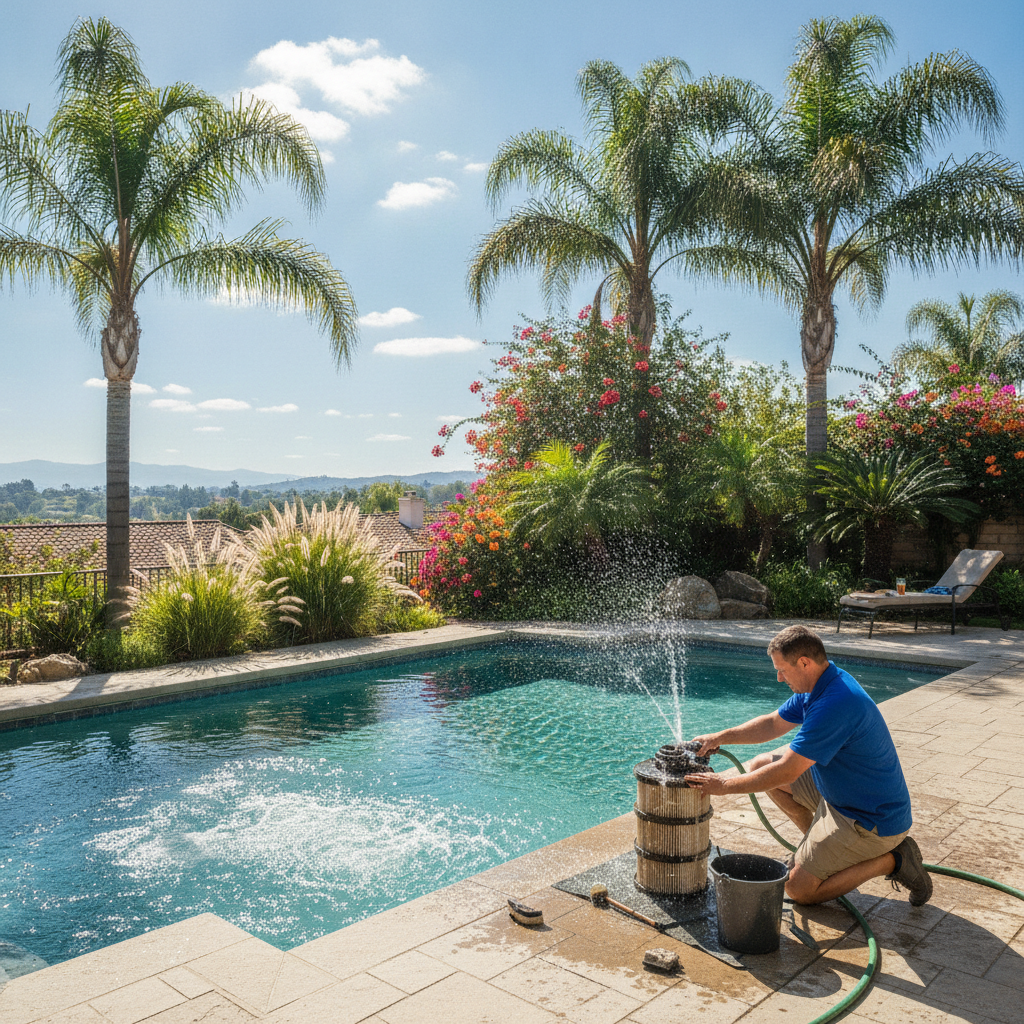
Owning a pool in this region means enjoying sunny days nearly year-round, but it also brings unique challenges for pool maintenance. The combination of warm temperatures and frequent dust from nearby hills can quickly take a toll on your pool’s filtration system. For anyone who values clear, healthy water, whether you’re a small business owner managing a community pool, a developer overseeing multiple properties, or simply a resident who loves a backyard swim, understanding the importance of regular pool filter care is essential. A professional pool filter cleaning service Rancho Margarita CA can make all the difference in maintaining your pool’s performance and longevity. In this article, we’ll explore why seasonal filter maintenance is so vital in our warm, dusty climate, what risks come with neglect, and how you can keep your pool sparkling, safe, and efficient all year long.
How Dust and Heat Impact Pool Filters
The unique climate here is both a blessing and a challenge for pool owners. While the warm weather encourages frequent swimming, it also means your pool filter works overtime. Dust from nearby hills and construction sites is carried by breezes, settling on pool surfaces and quickly finding its way into the filtration system. High temperatures accelerate algae growth and bacterial activity, which can further clog filters and reduce their effectiveness. When dust accumulates, it not only clouds the water but also forces your filter to trap more debris than it was designed to handle. Over time, this leads to increased pressure inside the filter, reduced water flow, and a higher risk of equipment strain. Ignoring these factors can result in murky water, unpleasant odors, and even potential health risks for swimmers. That’s why understanding your pool’s environment is the first step to effective maintenance. For those looking for expert help, Saddleback Mountain offers professional insight and services tailored to the area’s unique needs.
Seasonal Shifts and Their Effect on Pool Water Quality
Each season brings its own set of challenges for pool water quality. In spring, pollen and fresh plant debris can quickly overwhelm filters, while summer’s relentless sun encourages algae blooms and rapid evaporation. Fall often brings increased winds that blow dust and leaves into the water, and even the mild winters here can introduce fine sediment and organic material. These seasonal shifts mean your pool filter is constantly adapting, but without regular cleaning, it can’t keep up. A neglected filter during peak swim months may lead to cloudy water, unbalanced chemicals, and increased demand for costly shock treatments. Over time, this cycle can degrade the pool’s surfaces and equipment, leading to expensive repairs. Staying ahead of these seasonal changes with a proactive cleaning schedule is crucial. For more on addressing specific equipment issues, check out Pool Pump Leak Repair in Rancho Santa Margarita, CA: How to Spot Seals, Lid, and Housing Problems for tips on keeping your system running smoothly.
Recognizing the Early Signs of Filter Trouble
Spotting problems early can save you from bigger headaches down the line. Some of the first signs that your pool filter needs attention include reduced water flow, higher-than-normal pressure readings, or water that just doesn’t seem as clear as usual. You might also notice the pool pump running louder or longer than it should, which is often a sign the filter is struggling to keep up. In dusty climates, filters can clog much faster than expected, sometimes even within weeks of cleaning during peak dust events. If you see debris returning to the pool after cleaning cycles, or if the automatic cleaner isn’t picking up as much as usual, it’s time to take a closer look. Addressing these issues promptly can prevent damage to your pump and other equipment. For a deeper dive into warning signs, see Is Your Pool Pump Motor Failing? Warning Signs Rancho Santa Margarita Homeowners Shouldn’t Ignore.
Why Professional Cleaning Outperforms DIY Methods
Many pool owners are tempted to handle filter maintenance themselves, but there are significant benefits to hiring professionals. Experienced technicians have the tools and know-how to disassemble, inspect, and thoroughly clean every component of your filter system. They can spot early signs of wear, replace worn seals, and ensure the filter media is in optimal condition. DIY cleaning often misses hidden buildup or fails to address internal blockages, which can compromise performance and shorten filter lifespan. Professional cleaning also includes pressure testing and proper reassembly, reducing the risk of leaks or equipment failure. In the area’s dusty climate, experts know exactly how to adjust cleaning frequency and techniques to match the unique demands of the environment. Investing in a professional pool filter cleaning service ensures your system is always ready for peak performance, giving you peace of mind and consistently clear water.
The Cost of Neglect: Risks to Pool Equipment and Water Safety
Skipping or delaying filter maintenance can have costly consequences. When a filter is clogged with dust and debris, your pump has to work harder, increasing energy use and accelerating wear on critical components. Over time, this added strain can lead to pump failure, leaks, or even damage to heaters and other equipment. More importantly, a dirty filter allows bacteria, algae, and other contaminants to circulate, putting swimmers’ health at risk. Unfiltered particles can cause eye and skin irritation, while imbalanced water chemistry may lead to corrosion of pool surfaces and fixtures. The financial impact of neglected maintenance can be significant, with emergency repairs and premature equipment replacement far outweighing the cost of regular cleaning. Staying proactive with seasonal filter care is the best way to protect your investment and ensure a safe, enjoyable swimming environment.
How Often Should You Schedule Filter Cleaning?
There’s no one-size-fits-all answer to filter cleaning frequency, but the area’s climate demands a more aggressive schedule than many other regions. For most residential pools, a thorough filter cleaning every three to four months is recommended, with additional cleanings during periods of high dust or heavy use. Commercial pools or those with frequent swimmers may require monthly maintenance to keep water quality high. Seasonal changes, especially the transition from spring to summer and during windy autumn months, are critical times to schedule professional service. Monitoring your filter’s pressure gauge and water clarity can help determine when extra attention is needed. Working with a local pool service provider ensures your maintenance plan is tailored to the unique challenges of the neighborhood, maximizing both efficiency and longevity of your equipment.
Comparing Filter Types: Cartridge, Sand, and DE in Dusty Climates
Not all pool filters are created equal, especially when it comes to handling dust and debris. Cartridge filters are popular for their ease of maintenance and ability to trap fine particles, but they can clog quickly in dusty environments and require frequent cleaning. Sand filters are durable and simple to operate, but may struggle to capture the smallest dust particles, leading to more frequent backwashing. Diatomaceous earth (DE) filters offer the highest filtration efficiency, capturing even microscopic contaminants, but they require careful handling and regular recharging. Choosing the right filter type depends on your pool’s size, usage patterns, and the specific challenges of the local climate. Consulting with a pool professional can help you select and maintain the best system for your needs, ensuring optimal performance year-round.
Table: Seasonal Pool Filter Maintenance Checklist
| Season | Key Tasks | Special Considerations |
|---|---|---|
| Spring | Remove pollen, check for plant debris, inspect seals | High pollen counts, increased organic material |
| Summer | Deep clean filter, monitor pressure, adjust chemical balance | Algae blooms, high swimmer load |
| Fall | Clear leaves, backwash or clean filter, inspect for dust buildup | Windy conditions, increased dust and debris |
| Winter | Check for sediment, maintain minimal circulation, inspect after storms | Fine sediment, occasional heavy rain or runoff |
How Seasonal Maintenance Extends Equipment Life
Regular filter cleaning isn’t just about water clarity, it’s a key factor in extending the life of your entire pool system. When filters are maintained on a seasonal schedule, pumps and heaters operate more efficiently, reducing energy consumption and preventing premature wear. Clean filters also help maintain balanced water chemistry, which protects pool surfaces and prevents scale buildup in pipes and equipment. Over time, this proactive approach can delay the need for costly replacements and minimize the risk of unexpected breakdowns. For property managers and business owners, this means fewer disruptions and lower long-term maintenance costs. Investing in scheduled filter care is an investment in the longevity and reliability of your pool assets.
Customizing Your Maintenance Plan for Local Conditions
Every pool is unique, and so are the challenges it faces in this community. Factors like nearby landscaping, construction activity, and the number of swimmers all influence how quickly your filter becomes dirty. Customizing your maintenance plan means considering these variables and adjusting cleaning frequency, filter type, and chemical treatments accordingly. For example, pools near busy roads or open fields may need more frequent attention, while those with heavy shade or minimal landscaping may see less dust accumulation. Working with a local pool service provider ensures your plan is tailored to the specific conditions of your property, maximizing both efficiency and water quality. Regular communication and inspections help catch potential issues before they become major problems, keeping your pool in top shape no matter what the season brings.
Smart Strategies for Reducing Dust and Debris
While you can’t control the weather, there are practical steps you can take to minimize dust and debris in your pool. Installing windbreaks or strategic landscaping can help reduce the amount of airborne particles that reach the water. Using pool covers when the pool is not in use is another effective way to keep out dust, leaves, and insects. Regularly skimming the surface and vacuuming the pool floor prevents debris from reaching the filter in the first place. For commercial properties, scheduling swim times and encouraging showering before entering the pool can also help maintain water quality. Combining these strategies with a robust filter maintenance routine ensures your pool stays cleaner, clearer, and more inviting throughout the year.
Final Thoughts
Maintaining a pool in a warm, dusty climate requires more than just occasional cleaning, it demands a strategic, seasonal approach to filter care. By understanding how local conditions impact your filtration system and staying proactive with professional maintenance, you can protect your equipment, ensure swimmer safety, and enjoy crystal-clear water all year round. Whether you manage a business, oversee multiple properties, or simply want the best for your backyard oasis, investing in regular pool filter cleaning service is the smartest way to preserve your pool’s value and performance. Don’t wait for problems to arise, make seasonal filter maintenance a priority and enjoy peace of mind, no matter how dusty or hot the weather gets.