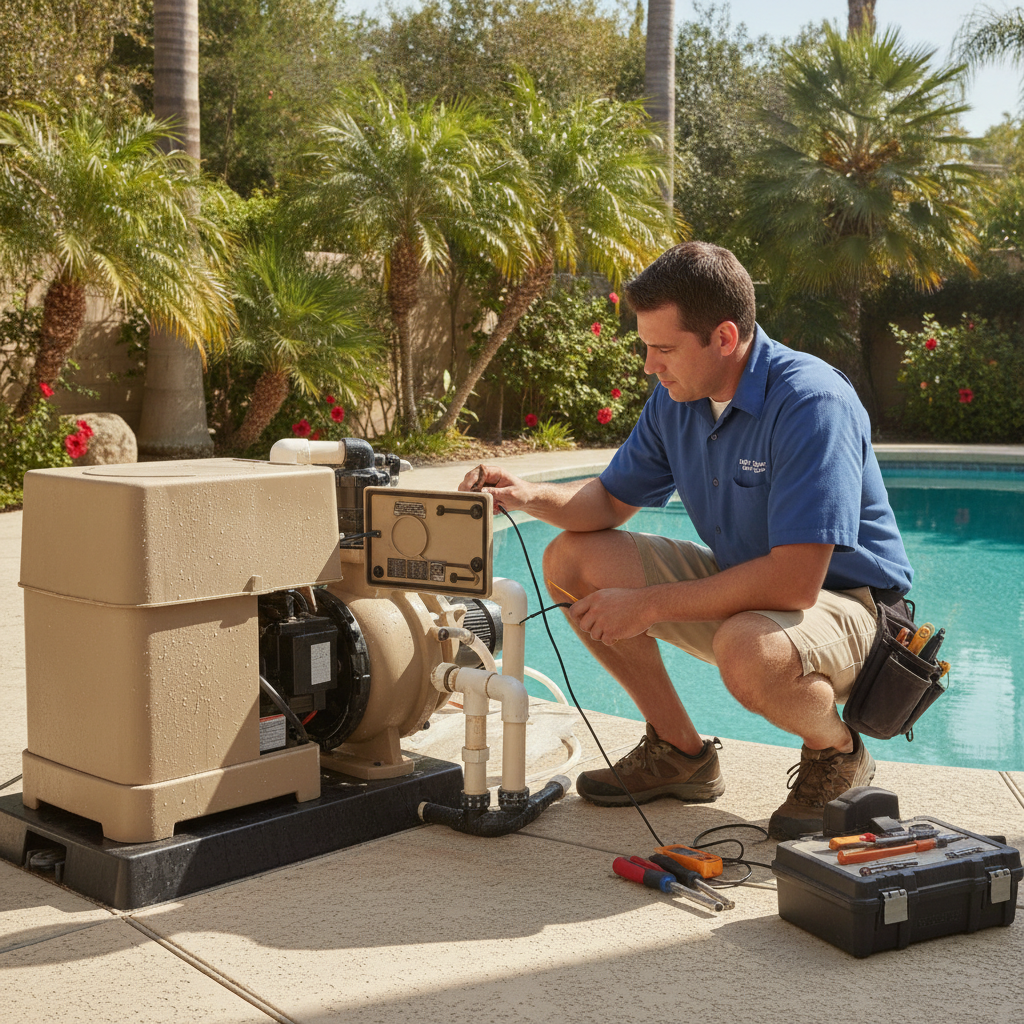
If you own or manage a pool in this community, you know how essential a healthy pool pump is to keep water sparkling, safe, and enjoyable. Yet even the best-maintained pools can run into trouble, especially when it comes to the pump. Whether you’re a small business owner overseeing a commercial pool, a developer managing multiple properties, or a homeowner who just wants to enjoy a swim, understanding common pool pump problems and their meanings is key. Pool pump repair in Irvine CA is a frequent need due to the region’s unique climate, heavy use, and local water conditions. In this article, we’ll break down the most frequent pump issues, what causes them, how to spot early warning signs, and what you can do to prevent costly downtime. Let’s dive into the real-world challenges and solutions for keeping your pool running smoothly all year round.
Recognizing Early Warning Signs of Pool Pump Trouble
Spotting pool pump issues early can save you time, money, and frustration. The most common symptoms include unusual noises, decreased water flow, air bubbles in the return jets, or the pump shutting off unexpectedly. Each of these warning signs can point to a different underlying problem, but they all signal that your pump needs attention. For example, a squealing or grinding sound often means the bearings are worn or there’s debris inside the pump. If you notice the water isn’t circulating as powerfully as usual, it could be due to a clogged impeller, a dirty filter, or even a leak in the suction line.
Ignoring these signs can lead to bigger issues, such as overheating, motor failure, or even damage to other pool equipment. Regularly checking your pump’s performance and listening for changes in sound or flow can help you catch problems before they escalate. If you’re unsure what’s normal, compare your pump’s operation to previous seasons or ask a local pool professional for a quick assessment. For comprehensive service and troubleshooting, Saddleback Mountain offers expert guidance for pool owners in the area.
Common Causes of Low Water Flow in Pool Pumps
Low water flow is one of the most frequent complaints among pool owners and managers. This issue can stem from several sources, but the most common culprits are dirty filters, clogged pump baskets, blocked impellers, or leaks in the suction line. When filters aren’t cleaned regularly, debris builds up and restricts water movement, forcing the pump to work harder and less efficiently. Similarly, if the pump basket or impeller becomes clogged with leaves, hair, or other debris, the flow rate drops significantly.
Leaks in the suction line are another major cause of low flow. Even a small air leak can disrupt the pump’s ability to draw water, leading to cavitation and potential motor damage. Regular inspection of all seals, O-rings, and fittings is essential to maintain optimal performance. If you’re experiencing persistent low flow, it’s worth reviewing The Hidden Cost of a Dirty Pool Filter: Better Flow, Fewer Repairs, and Lower Energy Use in Rancho Santa Margarita for deeper insights into filtration’s impact on pump health.
Why Pool Pumps Lose Prime and How to Respond
Losing prime means your pool pump is no longer able to move water because air has entered the system. This is a common problem, especially after cleaning the filter or performing other routine maintenance. The main causes include a low water level in the pool, a loose pump lid, cracked or worn O-rings, or leaks in the suction side plumbing. When a pump loses prime, it can’t draw water efficiently, which can lead to overheating and motor failure if not addressed quickly.
To restore prime, first ensure the pool water level is high enough to cover the skimmer intake. Next, check all lids and seals for tightness and integrity. If you still can’t maintain prime, inspect the suction lines for cracks or loose fittings. Persistent priming issues may require professional diagnostics. For a detailed look at this issue and actionable solutions, see Why Your Rancho Santa Margarita Pool Pump Keeps Losing Prime: Common Causes and Fixes.
Diagnosing Unusual Pool Pump Noises
Unusual noises from your pool pump can be alarming and are often the first sign that something is wrong. A high-pitched squeal typically indicates worn bearings, while a grinding sound could mean debris is caught in the impeller or motor assembly. Rattling or clanking noises might point to loose parts or a failing motor. These sounds not only disrupt the peace of your pool area but can also signal impending mechanical failure.
To diagnose the source of the noise, start by turning off the pump and inspecting the area for visible debris or loose components. Remove the pump basket and check for obstructions. If the noise persists after cleaning and tightening, it’s best to consult a professional technician. Addressing noisy pumps early can prevent more expensive repairs down the line and extend the life of your equipment.
Understanding Pool Pump Overheating and Motor Burnout
Pool pumps are designed to run for hours at a time, but overheating is a real risk, especially during hot weather or when the pump is overworked. Overheating can be caused by blocked vents, insufficient water flow, or running the pump dry. When a pump overheats, it can trip the circuit breaker or, worse, cause permanent motor damage.
To prevent overheating, ensure the pump has adequate ventilation and that the motor is free from dust and debris. Always maintain proper water levels and check for blockages in the system. If your pump frequently shuts off or feels excessively hot to the touch, it’s a sign that immediate attention is needed. Timely intervention can save you from costly motor replacements and extended downtime.
How Leaks Affect Pool Pump Performance
Leaks are a silent threat to pool pump efficiency. Even minor leaks in the pump housing, suction lines, or around seals can introduce air into the system, reducing priming ability and water flow. Over time, leaks can cause corrosion, increase energy consumption, and lead to more severe equipment failures.
To spot leaks, regularly inspect the pump area for wet spots, rust, or white calcium deposits. Listen for hissing sounds that may indicate air being drawn into the system. Early detection and repair of leaks are crucial to maintaining optimal pump performance and avoiding unnecessary repairs.
Electrical Issues That Impact Pool Pumps
Electrical problems can cause a range of pool pump issues, from intermittent operation to complete failure. Common electrical faults include tripped breakers, faulty wiring, worn capacitors, or corroded terminals. These issues can be dangerous and are best handled by a qualified technician.
If your pump won’t start, runs erratically, or shuts off unexpectedly, check your breaker panel first. Look for signs of moisture or corrosion in the electrical connections. Never attempt to repair electrical components yourself unless you are trained and certified. Regular electrical inspections are a smart investment for pool owners who want to avoid unexpected outages and ensure safety.
The Impact of Water Chemistry on Pump Longevity
Maintaining proper water chemistry isn’t just about swimmer comfort, it’s also vital for the health of your pool pump. Imbalanced pH, high calcium levels, or excessive chlorination can corrode pump components, degrade seals, and shorten the lifespan of your equipment. Over time, these chemical imbalances can cause leaks, reduce efficiency, and increase the need for repairs.
To protect your pump, test water chemistry regularly and adjust as needed. Pay special attention to pH, alkalinity, and calcium hardness. If you notice scaling, corrosion, or unusual wear on pump parts, it may be time to consult a pool professional for a thorough inspection and water analysis. Preventative care in this area can save significant repair costs over the life of your pool.
Routine Maintenance Tips to Prevent Pump Problems
Routine maintenance is the best way to avoid unexpected pool pump failures. This includes cleaning the pump basket and filter regularly, checking and replacing O-rings and seals, inspecting for leaks, and monitoring water levels. Scheduling professional inspections at least once a year can help catch issues you might miss and extend the life of your equipment.
Keep a maintenance log to track cleaning schedules, repairs, and any changes in pump performance. This record can be invaluable for troubleshooting and warranty claims. Remember, proactive care is always more cost-effective than emergency repairs.
| Problem | Possible Cause | Recommended Action |
|---|---|---|
| Low Water Flow | Dirty filter, clogged impeller, suction leak | Clean filter, inspect for leaks, clear debris |
| Pump Loses Prime | Low water level, air leak, worn O-ring | Refill pool, check seals, replace O-ring |
| Noisy Operation | Worn bearings, debris, loose parts | Inspect and clean, tighten components |
| Pump Won’t Start | Electrical fault, tripped breaker, bad capacitor | Check breaker, consult electrician |
| Visible Leaks | Cracked housing, failed seal | Replace seal, repair or replace housing |
When to Call a Pool Pump Repair Specialist in Irvine
Some pool pump problems can be handled with basic DIY maintenance, but others require the expertise of a professional. If you notice persistent leaks, electrical issues, repeated loss of prime, or unexplained noises, it’s time to call a specialist. Pool pump repair in Irvine CA is best left to technicians who understand the unique challenges of local water quality, climate, and equipment standards.
A qualified repair specialist can quickly diagnose complex issues, source the right parts, and ensure repairs are done safely and correctly. This not only protects your investment but also minimizes downtime and disruption. Don’t wait for a minor issue to become a major repair, timely intervention can save you money and extend the life of your pool system.
Choosing the Right Replacement Parts for Your Pool Pump
When repairs are needed, selecting the right replacement parts is crucial for long-term performance. Not all pump parts are created equal; using generic or incompatible components can lead to further issues. Always use manufacturer-approved parts or consult with a trusted pool supply company to ensure compatibility with your system.
Keep a record of your pump’s make, model, and installation date, as this information will help you source the correct parts quickly. Investing in quality components may cost more upfront, but it pays off in reliability and reduced maintenance over time.
Final Thoughts
Pool pump problems can disrupt your enjoyment and even threaten the health of your pool, but most issues are preventable with regular maintenance and early intervention. By understanding the most common symptoms and their causes, you can address minor problems before they escalate into costly repairs. Whether you manage a commercial pool or simply want to keep your backyard oasis running smoothly, staying proactive is the key to long-lasting equipment and clear, inviting water. If in doubt, don’t hesitate to reach out to a local pool pump repair expert to keep your pool in top shape all year round.