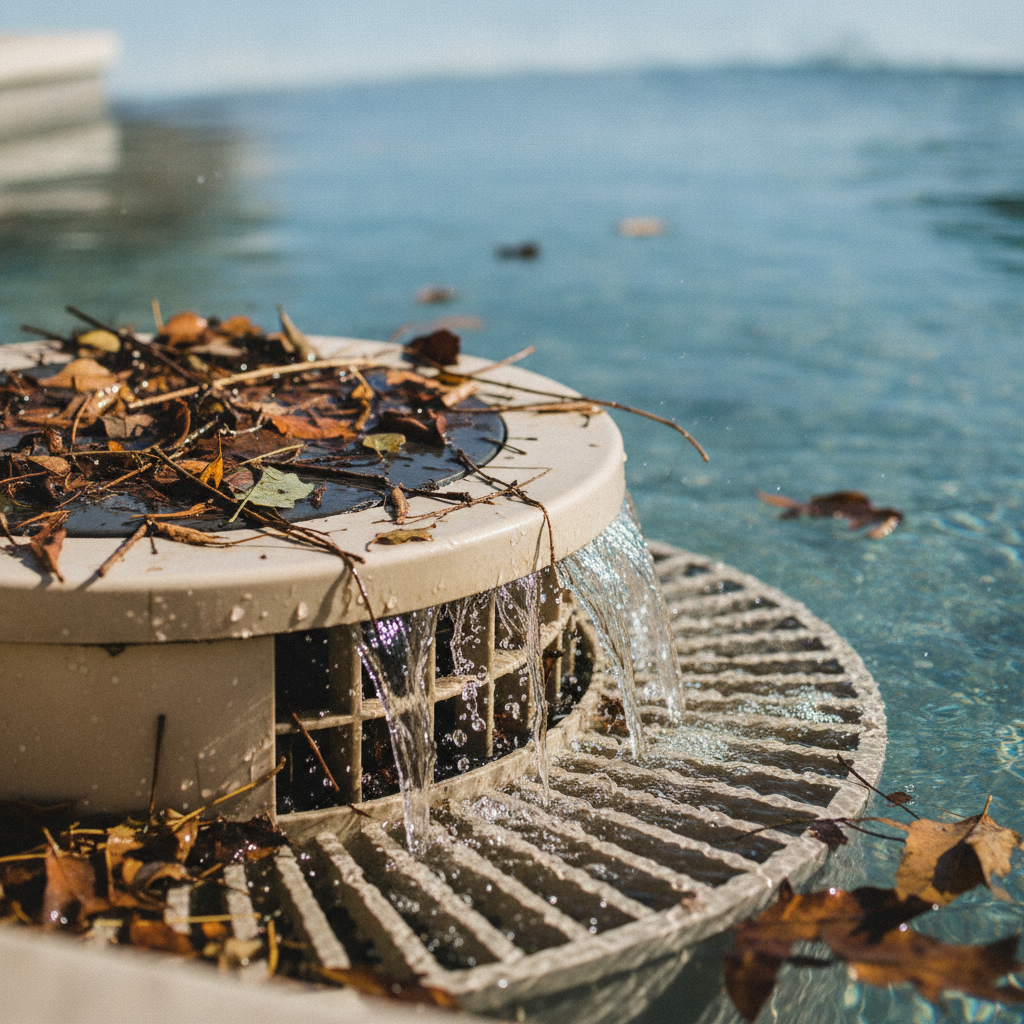
If you own a pool, you know how important it is to keep the water clear, safe, and inviting. But even the most diligent pool owners can overlook one crucial aspect of maintenance: the pool filter. When your filter starts to clog or underperform, it’s not just water clarity at stake, your entire system can suffer. That’s why recognizing the early signs your pool filter needs cleaning is essential, especially if you want to avoid costly repairs and downtime. For those searching for a reliable Pool Filter Cleaning Service Irvine CA can trust, understanding these warning signals is the first step to keeping your pool in top shape. In this guide, we’ll explore the subtle and not-so-subtle clues that it’s time to give your filter some attention, the risks of neglect, and how professional cleaning can make all the difference.
Cloudy Water and Reduced Clarity
One of the most obvious signs your pool filter needs cleaning is a noticeable decline in water clarity. When the filter is clogged with debris, dirt, and oils, it can no longer trap tiny particles effectively. As a result, your pool water may start to look dull, hazy, or outright cloudy. This isn’t just an aesthetic issue, it’s a sign that contaminants are circulating freely, potentially exposing swimmers to bacteria and algae. If you notice that your pool isn’t sparkling like it used to, or if you’re constantly adding chemicals with little improvement, your filter could be the culprit.
Cloudy water can develop gradually or appear suddenly after heavy use, a storm, or a landscaping project nearby. Sometimes, the issue is compounded if the filter type, whether cartridge, sand, or DE, hasn’t been serviced according to its maintenance schedule. In these cases, a thorough cleaning performed by a professional team like Saddleback Mountain can restore your pool’s clarity and prevent further complications.
It’s important to remember that cloudy water can also be a symptom of other issues, such as improper chemical balance or circulation problems. However, if you’ve ruled out these factors, the filter is often the next place to investigate. Don’t wait until swimmers start to complain, addressing cloudy water promptly protects both your investment and everyone who enjoys your pool.
Unusual Pressure Gauge Readings
Your pool filter’s pressure gauge is a valuable diagnostic tool. It measures the force of water flowing through the filter, and abnormal readings are a classic sign that cleaning is overdue. Typically, when the filter is clean, the pressure gauge will show a baseline value (often between 10 and 20 psi, depending on your system). As debris accumulates, water has a harder time passing through, causing the pressure to rise. If the gauge is reading 8-10 psi higher than normal, it’s a clear indicator your filter is clogged and needs attention.
On the flip side, a sudden drop in pressure can also signal trouble. This might mean the filter is so dirty that water is bypassing it altogether, or there’s a blockage somewhere else in the system. Either way, ignoring these readings can lead to pump strain, reduced circulation, and even equipment failure. For business owners and residents alike, regular monitoring of the pressure gauge is a simple habit that can save significant time and money down the line.
If you’re unsure how to interpret your gauge or notice erratic readings, a professional inspection can help. Experts can determine whether the issue is filter-related or symptomatic of a deeper problem. For a deeper dive into how cleaning impacts your pool’s performance, check out How Professional Filter Deep Cleaning Improves Water Circulation in Rancho Santa Margarita Pools.
Decreased Water Flow and Weak Returns
Another telltale sign of a dirty pool filter is a noticeable drop in water flow from your pool’s return jets. When the filter becomes clogged, the pump has to work harder to push water through, resulting in weak or sputtering returns. This not only affects water circulation but also limits the effectiveness of your pool’s heating and sanitation systems. You might find that the pool’s surface isn’t moving as much, debris accumulates in certain areas, or the pool cleaner isn’t operating efficiently.
Weak water flow can also put your pump at risk. Over time, running a pump against a clogged filter increases wear and tear, shortens its lifespan, and can even cause it to lose prime. If you’ve ever wondered why your pool pump keeps losing its prime or struggles to maintain pressure, filter maintenance is often the missing piece. For more on this topic, see Why Your Rancho Santa Margarita Pool Pump Keeps Losing Prime: Common Causes and Fixes.
Regularly checking your pool’s water flow and return strength is a simple way to catch filter issues early. If you notice a decline, don’t ignore it, schedule a cleaning or inspection before the problem escalates.
Strange Noises from Your Pump or Filter
Pools are meant to be relaxing, so when you start hearing odd noises from your equipment, it’s time to investigate. A dirty filter can cause your pump to make unusual sounds, such as humming, grinding, or even screeching. These noises often result from the pump straining to push water through a clogged filter or from trapped air in the system due to poor circulation.
Ignoring these sounds can lead to bigger problems, including pump overheating, seal failures, or even total equipment breakdown. If your pool’s equipment area is suddenly noisier than usual, don’t assume it’s just aging hardware. A professional cleaning may be all that’s needed to restore quiet operation and protect your investment.
Listening for changes in your pool’s usual hum is a proactive way to catch maintenance issues before they become emergencies. If you’re unsure what’s normal, consider recording the sounds and sharing them with a pool technician for advice.
Visible Debris Returning to the Pool
One of the most frustrating experiences for pool owners is seeing debris re-enter the pool after running the filtration system. This can happen when the filter is so overloaded that it can no longer trap particles, or if there is a tear or damage in the filter media. In some cases, improper reassembly after cleaning can also lead to bypass, allowing dirt and leaves to flow straight back into the water.
If you notice leaves, sand, or fine particles swirling out of your return jets, it’s a clear sign that your filter isn’t functioning properly. Not only does this defeat the purpose of running the filter, but it also means your pool is at risk for algae blooms and cloudy water. Regular inspection and cleaning of the filter elements can prevent this issue and ensure your pool stays pristine.
It’s also wise to check for visible damage to filter cartridges, grids, or laterals during each cleaning session. Replacing worn or broken parts promptly will help maintain filtration efficiency and protect your pool’s overall health.
Frequent Need for Chemical Adjustments
A well-maintained filter helps keep your pool’s chemical balance stable. When the filter is dirty, however, you may find yourself constantly adjusting chlorine, pH, or alkalinity levels. This is because contaminants and organic matter build up in the water, consuming sanitizer and throwing off the balance. If you’re using more chemicals than usual or struggling to keep the water within the recommended ranges, your filter could be to blame.
Overusing chemicals isn’t just expensive, it can also irritate swimmers’ skin and eyes, damage pool surfaces, and increase wear on equipment. By keeping your filter clean, you reduce the overall chemical demand and create a safer, more comfortable swimming environment.
If you notice a pattern of frequent chemical issues, schedule a filter inspection and cleaning. You’ll likely find that water balance becomes much easier to maintain once the filter is working at peak efficiency.
Algae Growth Despite Regular Maintenance
Algae can be a persistent nuisance for pool owners, especially during warm weather or after heavy rainfall. But if you’re diligent about brushing, vacuuming, and chemical treatments, yet still see green or yellow patches, your filter may be the hidden problem. A clogged or dirty filter allows microscopic algae spores to slip through, making it nearly impossible to keep the pool clean with chemicals alone.
Algae growth is more than just unsightly, it can make surfaces slippery, clog pool cleaners, and even stain plaster or tile. If you’re fighting recurring blooms, don’t overlook the filter. Professional cleaning and inspection can remove stubborn contaminants and restore your system’s ability to trap and remove algae effectively.
In some cases, switching to a different filter type or upgrading your system may be recommended for pools in areas with persistent algae issues. Consulting a pool service expert can help you determine the best course of action for your unique situation.
Energy Bills on the Rise
Have you noticed your pool’s energy costs creeping up? A dirty filter can be a hidden culprit. When the filter is clogged, your pump must run longer and work harder to achieve the same level of circulation. This increased workload translates directly to higher electricity bills, especially during peak swimming season.
Over time, the added strain can also shorten the lifespan of your pump and other equipment, leading to expensive repairs or replacements. Keeping your filter clean is one of the simplest ways to improve energy efficiency and reduce operating costs. For business owners managing commercial pools, these savings can be substantial over the course of a season.
If you’re looking for ways to cut pool-related expenses, start by reviewing your filter maintenance schedule. Regular professional cleaning can help keep your system running smoothly and your energy bills in check.
Short Cycling or Overheating Equipment
Short cycling occurs when your pool pump turns on and off more frequently than normal. This can be caused by a number of issues, but a clogged filter is one of the most common. When water flow is restricted, the pump may overheat or trip its safety mechanisms, resulting in repeated shutdowns. Over time, this pattern of short cycling can damage the pump motor and reduce overall system reliability.
In addition to short cycling, you might notice your equipment area feels unusually hot or you smell burning odors. These are urgent warning signs that your filter and pump need immediate attention. Ignoring them can result in costly repairs and extended downtime for your pool.
To prevent these problems, make filter cleaning a regular part of your maintenance routine. If you’re unsure how often to clean your filter, consult your pool service provider for guidance based on your pool’s size, usage, and local conditions.
Comparing Filter Types and Cleaning Frequency
Not all pool filters are created equal, and each type has its own recommended cleaning schedule. Understanding the differences can help you anticipate when maintenance is due and avoid problems before they start. Here’s a comparison of the most common filter types and their typical cleaning needs:
| Filter Type | Cleaning Frequency | Key Maintenance Notes |
|---|---|---|
| Cartridge | Every 4-8 weeks | Rinse cartridges, deep clean seasonally, replace annually or as needed |
| Sand | Backwash every 1-2 weeks | Change sand every 3-5 years, inspect for channeling |
| DE (Diatomaceous Earth) | Backwash every 1-2 months | Recharge DE powder after backwashing, deep clean grids annually |
Keep in mind, these are general guidelines. Factors like pool size, usage, and environmental conditions (such as wind, trees, or construction nearby) can impact how often your filter needs attention. When in doubt, consult with a pool filter cleaning service in the area to tailor a schedule that fits your needs.
When to Call a Pool Filter Cleaning Service in Irvine
While many pool owners are comfortable performing basic filter maintenance, there are times when professional help is the best option. If you notice persistent issues like cloudy water, recurring algae, or equipment problems despite regular cleaning, it’s time to call in the experts. A professional pool filter cleaning service in Irvine can diagnose complex issues, perform deep cleaning, and recommend repairs or replacements if necessary.
Professionals have specialized tools and knowledge to handle all filter types, ensuring a thorough job that goes beyond what most DIY efforts can achieve. They can also spot early warning signs of equipment failure, saving you from more extensive repairs down the road. For small business owners managing commercial pools, regular professional service is especially important to maintain health standards and customer satisfaction.
Scheduling routine professional cleanings, even once or twice a year, can extend the life of your pool equipment and keep your water sparkling clear all season long.
Proactive Maintenance: Tips for Keeping Your Filter in Top Shape
Preventing filter problems is always easier than fixing them after the fact. Here are a few proactive steps you can take to keep your pool filter running efficiently year-round:
- Skim and vacuum your pool regularly to reduce debris load on the filter.
- Monitor your pressure gauge weekly and keep a log of normal readings.
- Rinse or backwash your filter according to the manufacturer’s guidelines.
- Schedule deep cleanings at least once per season or more often for high-use pools.
- Inspect filter components for wear, cracks, or tears during each cleaning.
- Maintain proper water chemistry to reduce buildup and extend filter life.
- Consult with a local pool professional for tailored advice and service recommendations.
By staying proactive, you’ll enjoy clearer water, lower costs, and fewer headaches throughout the swimming season.
Final Thoughts
Recognizing the signs that your pool filter needs cleaning is key to maintaining a healthy, beautiful swimming environment. From cloudy water to rising energy bills, these early warning signals are your cue to take action before minor issues become major problems. Whether you’re a homeowner, a small business owner, or simply want the best for your backyard oasis, staying on top of filter maintenance pays off in clearer water, lower costs, and longer equipment life.
When in doubt, don’t hesitate to reach out to a trusted pool filter cleaning service in the area. Professional expertise can make all the difference, ensuring your pool stays inviting and trouble-free all year long. By making filter care a regular part of your pool routine, you’ll protect your investment and enjoy peace of mind every time you take a dip.