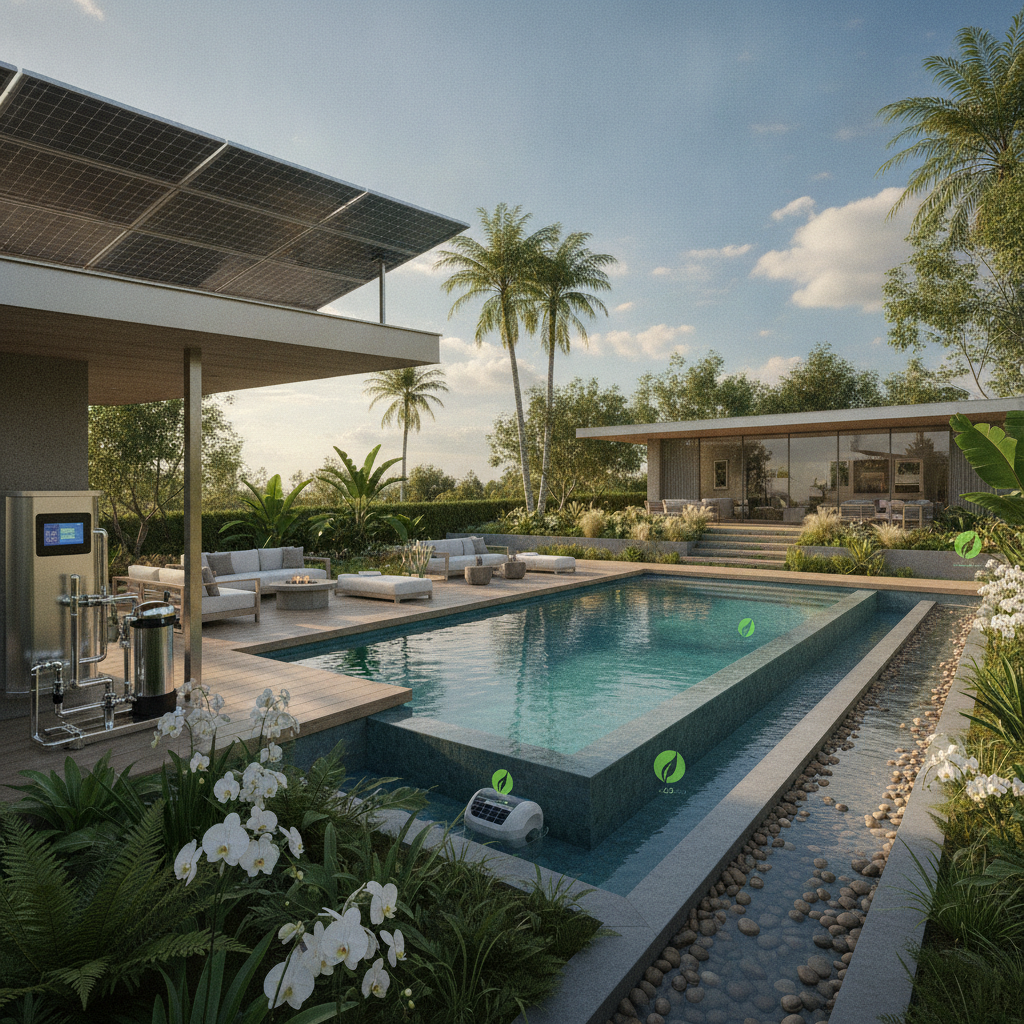
If you own a pool in Southern California, you know that keeping it sparkling and inviting isn’t just about regular cleaning or balancing chemicals. The equipment you choose and how efficiently it runs can make a huge difference in your energy bills, your pool’s performance, and your peace of mind. For homeowners and small business owners in the area, upgrading to energy-efficient pool equipment is more than a trend, it’s a practical investment. Whether you’re a developer planning a new community pool or a family looking to cut costs, understanding the latest in pool equipment installation Irvine CA can help you make smart choices for your property and the environment. In this guide, we’ll break down the most impactful upgrades, the real-world benefits, and how to navigate your options for a more efficient, reliable pool system.
Why Energy-Efficient Pool Equipment Matters
Pools are a beloved feature in many homes and businesses, but they’re also notorious for consuming energy. Traditional pool pumps, heaters, and lighting can drive up utility bills and put unnecessary strain on local resources. Energy-efficient pool equipment is designed to address these issues head-on, using advanced technology to deliver the same (or better) performance while using less power. This means lower monthly costs, reduced environmental impact, and a quieter, more enjoyable pool experience. For those considering a new installation or an upgrade, the benefits are both immediate and long-term. Modern variable-speed pumps, high-efficiency heaters, and LED lighting are just a few examples of upgrades that can transform your pool’s energy profile. As more property owners look for ways to save money and reduce their carbon footprint, energy-efficient pool equipment is quickly becoming the standard rather than the exception.
If you’re exploring your options, Saddleback Mountain is a trusted resource for expert advice and installation services in the region, ensuring you get the right equipment for your needs.
Understanding the True Cost of Pool Ownership
Owning a pool is a source of pride and enjoyment, but it comes with ongoing expenses that go beyond initial construction. Energy bills, maintenance, repairs, and periodic equipment replacement can add up quickly. Many pool owners underestimate how much their outdated equipment is costing them each month. Inefficient pumps and filters not only use more electricity but also contribute to wear and tear, leading to more frequent breakdowns and higher repair bills. By investing in energy-efficient upgrades, you can significantly lower your pool’s operating costs and extend the lifespan of your system. It’s not just about saving money; it’s about creating a more sustainable and hassle-free pool experience for years to come.
For a deeper dive into how equipment impacts your costs, check out The Hidden Cost of a Dirty Pool Filter: Better Flow, Fewer Repairs, and Lower Energy Use in Rancho Santa Margarita for insights that apply to any pool owner looking to maximize efficiency.
Identifying When It’s Time for an Upgrade
How do you know if your pool equipment is due for an upgrade? There are a few telltale signs. If your pump is noisy, your heater struggles to maintain temperature, or your filter requires frequent cleaning, your system may be working harder than it should. Rising energy bills, inconsistent water quality, or frequent breakdowns are also red flags. Modern pool equipment is engineered to deliver better results with less effort, so if you find yourself constantly troubleshooting or calling for repairs, it’s likely time to consider more efficient options. Upgrading isn’t just about replacing what’s broken, it’s about proactively improving your pool’s performance, reliability, and cost-effectiveness.
If you’re unsure about your current setup, Is Your Pool Pump Motor Failing? Warning Signs Rancho Santa Margarita Homeowners Shouldn’t Ignore offers practical tips for spotting issues before they become major problems.
Top Energy-Efficient Pool Equipment Upgrades
When it comes to making your pool more energy efficient, certain equipment upgrades deliver the biggest impact. Variable-speed pool pumps are at the top of the list, offering significant energy savings over traditional single-speed models. High-efficiency heaters, whether gas, electric, or heat pump, can also reduce energy use while maintaining comfortable water temperatures. Cartridge and DE filters with advanced designs require less backwashing and lower pump speeds, further conserving energy. LED pool lighting is another smart upgrade, providing bright, customizable illumination with a fraction of the power consumption of older halogen or incandescent bulbs. For those ready to take efficiency to the next level, automation systems allow you to schedule and optimize equipment run times, ensuring your pool only uses energy when needed. These upgrades not only lower your utility bills but also contribute to a quieter, more enjoyable pool environment. Choosing the right combination of equipment depends on your pool’s size, usage patterns, and your personal goals for comfort and sustainability.
How Variable-Speed Pumps Save Energy
Variable-speed pool pumps have revolutionized pool energy efficiency. Unlike single-speed pumps that run at full power every time they’re on, variable-speed models allow you to adjust the flow rate to match your pool’s needs. This means you can run the pump at a lower speed for routine filtration, using far less electricity, and ramp up to higher speeds only when necessary, such as during vacuuming or backwashing. The result is a dramatic reduction in energy consumption, often cutting electricity use by more than half compared to older pumps. Additionally, variable-speed pumps tend to run quieter and last longer, since they experience less wear and tear. Most models can be programmed to operate during off-peak hours, further reducing your energy costs. For pool owners looking to make a single impactful upgrade, a variable-speed pump is often the best place to start.
Smart Automation for Pools: Convenience Meets Efficiency
Automation technology is changing the way pool owners manage their equipment. Modern pool automation systems can control pumps, heaters, lights, and even chemical dosing from a smartphone or tablet. By programming your pool equipment to operate only when needed, you eliminate wasted energy and reduce manual oversight. For example, you might schedule your pump to run at low speed overnight, heat the pool just before you swim, or turn on lights only at dusk. Some systems even monitor weather conditions and adjust settings automatically. The convenience of automation goes hand in hand with energy savings, making it a popular upgrade for busy homeowners and property managers. While the upfront cost of automation can vary, the long-term reduction in energy use and maintenance headaches often makes it a worthwhile investment.
Comparing Pool Equipment: Energy Efficiency at a Glance
Choosing between different types of pool equipment can feel overwhelming. To help you compare your options, here’s a quick look at how common upgrades stack up in terms of energy efficiency, lifespan, and maintenance needs. Remember, the best choice for your pool will depend on your specific setup and usage patterns.
| Equipment Type | Energy Efficiency | Expected Lifespan | Maintenance Needs |
|---|---|---|---|
| Variable-Speed Pump | High | 10–15 years | Low |
| Single-Speed Pump | Low | 7–10 years | Medium |
| LED Pool Lighting | Very High | 10+ years | Very Low |
| Gas Heater (High-Efficiency) | Medium-High | 7–12 years | Medium |
| Heat Pump | High | 10–15 years | Low-Medium |
Reviewing your options side by side can help you prioritize which upgrades will have the biggest impact on your pool’s efficiency and your long-term costs.
Maximizing Savings with Efficient Heating Solutions
Heating your pool can be one of the largest contributors to your energy bill, especially during cooler months or for commercial pools that require consistent temperatures. Upgrading to a high-efficiency gas heater or a heat pump can dramatically reduce energy use while still keeping your pool comfortable. Heat pumps, in particular, are known for their ability to transfer heat from the air to the water, using much less electricity than traditional resistance heaters. Solar pool heating is another option for those looking to leverage renewable energy, though it’s most effective when paired with a backup system for cloudy days or high-demand periods. Whichever heating method you choose, pairing it with a pool cover can further enhance efficiency by reducing heat loss overnight and on windy days. Smart heating controls can also be integrated into automation systems, allowing you to schedule heating cycles and avoid unnecessary energy use.
The Role of Proper Filtration in Energy Efficiency
Efficient filtration is essential for maintaining clear water and minimizing energy consumption. Modern cartridge and DE filters are designed to capture more debris with less resistance, allowing your pump to operate at lower speeds. This reduces both energy use and wear on your equipment. Regular filter maintenance, cleaning or replacing cartridges as needed, ensures optimal flow and prevents your pump from working harder than necessary. Some advanced filtration systems even incorporate multi-stage designs or self-cleaning features to further boost efficiency. When planning an equipment upgrade, consider how your filter choice will impact overall system performance. The right filter can extend the life of your pump, reduce maintenance time, and help keep your pool sparkling with less effort.
Planning Your Pool Equipment Upgrade in the Area
Upgrading your pool equipment is a significant investment, so it pays to plan carefully. Start by evaluating your current system and identifying which components are the least efficient or most prone to issues. Consider your pool’s size, how often it’s used, and your goals for energy savings and convenience. Consulting with a local pool professional can help you assess your options and design a system tailored to your needs. When choosing equipment, look for ENERGY STAR ratings, manufacturer warranties, and compatibility with your existing setup. Installation quality is just as important as the equipment itself, so work with experienced technicians who understand the unique needs of pools in this community. Finally, don’t forget to factor in ongoing maintenance and the potential for future upgrades as technology continues to evolve.
Bringing It All Together
Energy-efficient pool equipment upgrades offer a powerful way to reduce costs, enhance comfort, and support sustainability for homeowners and businesses in the region. From variable-speed pumps and high-efficiency heaters to smart automation and advanced filtration, the options available today make it easier than ever to enjoy a beautiful pool without the high energy bills. By taking a thoughtful approach to equipment selection and installation, you can maximize your investment and enjoy years of reliable, low-maintenance performance. Whether you’re planning a new pool or looking to modernize an existing one, now is the perfect time to explore the benefits of energy-efficient upgrades and make your pool a standout feature of your property.